
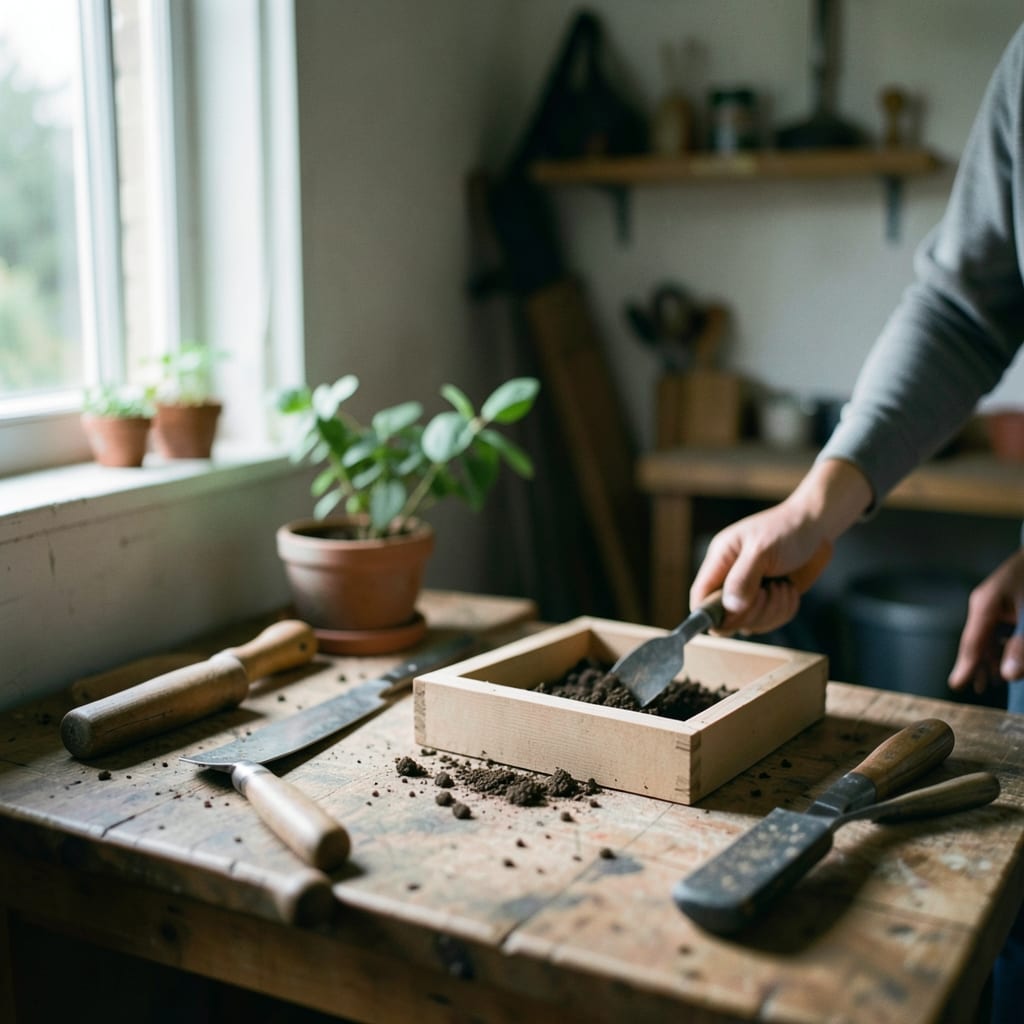
What this work is made with
This page is a list of things. Not a story. Not a mission. Just the objects that hold *Houseplant Nook* together—the tools, the things that shape what you’ll find here.
Gardening isn’t just about soil and seeds; it’s about the hands that shape them, the containers that hold them, and the wear that tells their truth.
This site is for people who grow plants—not just the ones that thrive, but the ones that nearly die, the lessons learned from wilting leaves, and the quiet magic of a single bloom. The things you’ll read about below are the ones that make it possible.
The things that do the work
These are the four things that shape every page here. A cracked pot, a wooden spoon, a pair of shears, and a stone. None of them are fancy. All of them are essential.
Cracked terracotta pot
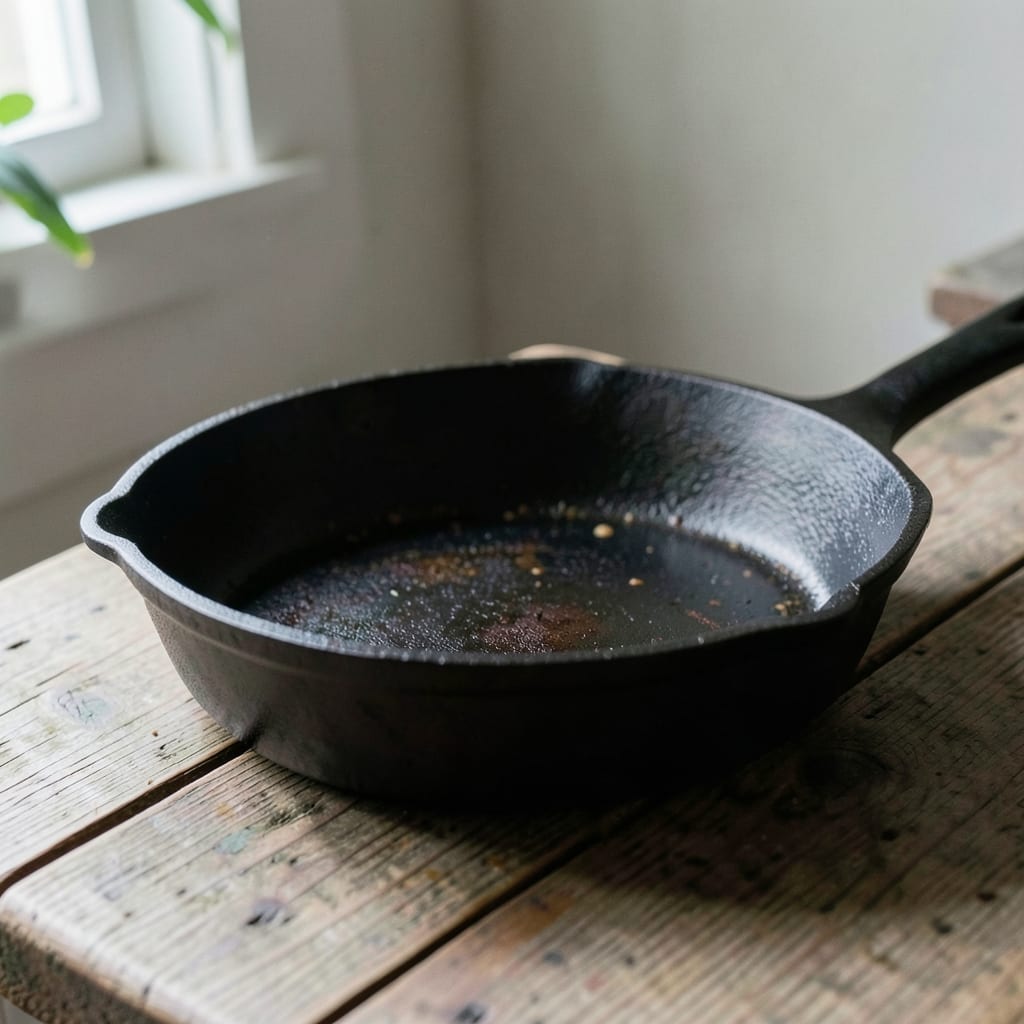
A terracotta pot with a hairline crack down one side, held together by time and a little bit of superglue. It’s been here since the first potted plant I ever saved—an overwatered pothos that should have died but stubbornly grew new leaves anyway.
The crack taught me that plants don’t need perfection. They just need patience. And now, no matter what I write about wilting or overwatering, I’ll always remember this pot: the one that held on even when it was broken.
Wooden spoon
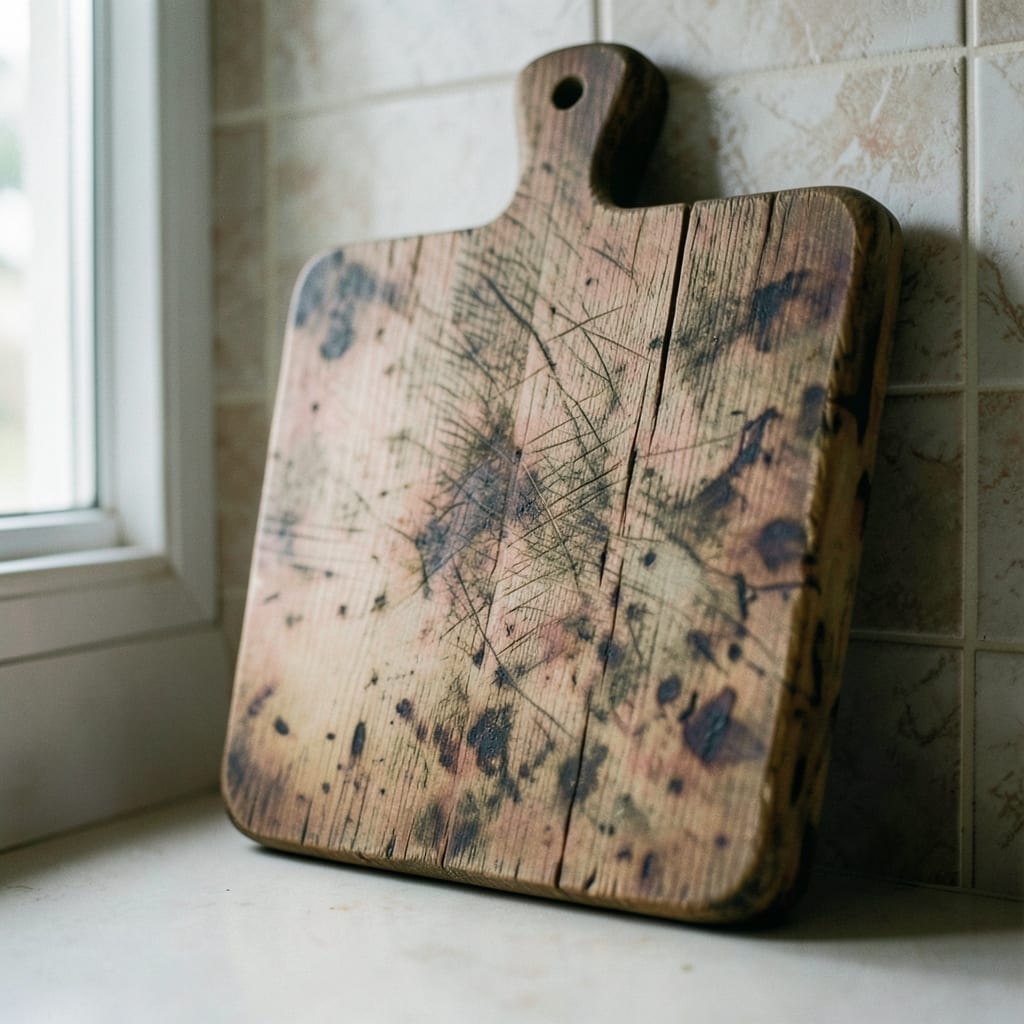
A cheap, splintery spoon from a hardware store, the kind that costs $2 and has no brand name. It’s been stirring compost, mixing soil, and prodding reluctant cuttings into rooting hormone for years. The handle is smooth from use, and one of the tines is chipped off.
It’s the only tool I trust for mixing soil. Too many plastic spoons melt in the sun or warp when wet. This one just gets dirtier. It taught me that the best tools aren’t the ones that last forever—they’re the ones that last *long enough*.
Pruning shears
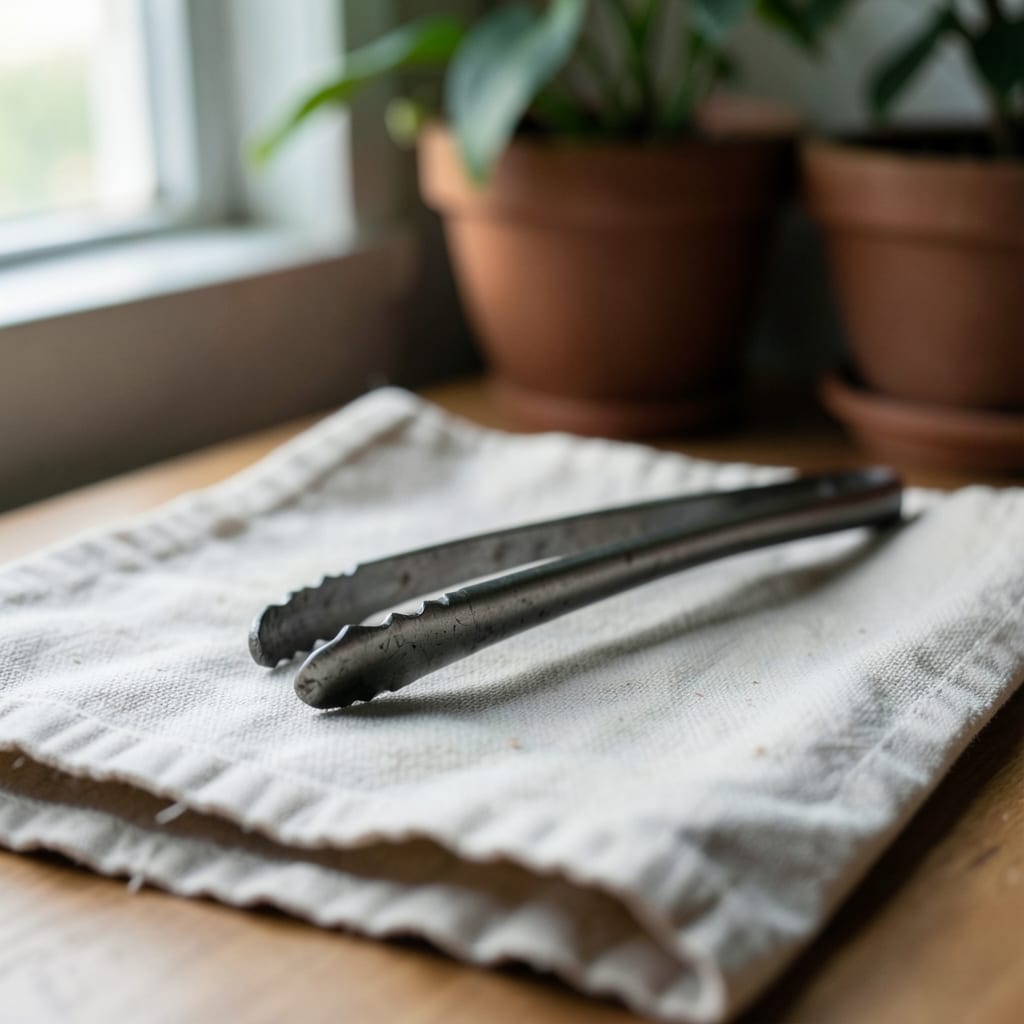
A pair of secondhand Felco pruners with the blades slightly misaligned. They’ve been here since I started propagating plants from cuttings, and the screws are loose enough that I have to tighten them every few months. The handles are worn smooth from use.
They taught me that even the best tools get dull. And that sometimes, the best way to fix a plant is to cut it back—not because it’s broken, but because it’s ready to grow differently.
Garden stone
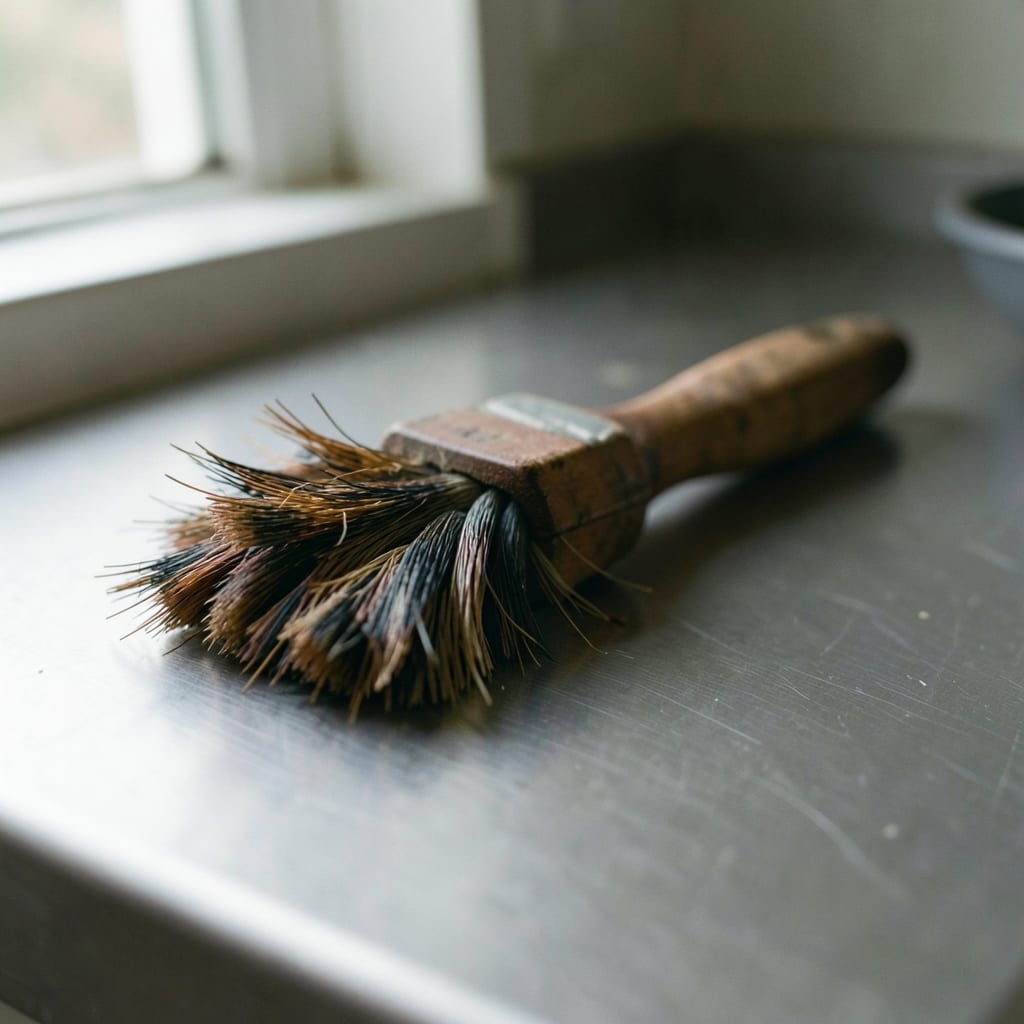
A smooth, flat river stone I found years ago in a creek bed. It sits in the bottom of every propagation tray, weighing down cuttings so they root properly. It’s been here since the first time I tried to grow a new plant from a single leaf.
It taught me that some things don’t need to be complicated. Just steady. Just heavy enough to hold things in place. And that sometimes, the simplest thing is the one that makes everything else work.
What is not in the drawer
This work is built on what’s *not* here as much as what is. Some things were left out by choice.
Deliberately absent
- No fancy grow lights—just natural light and the occasional sunny windowsill.
- No expensive hydroponic setups—just soil, pots, and a little bit of patience.
- No branded fertilizers—just compost, worm castings, and whatever I can scavenge from the garden.
- No pressure to grow everything perfectly—just the honest truth about what worked, what didn’t, and why.
Behind the scenes
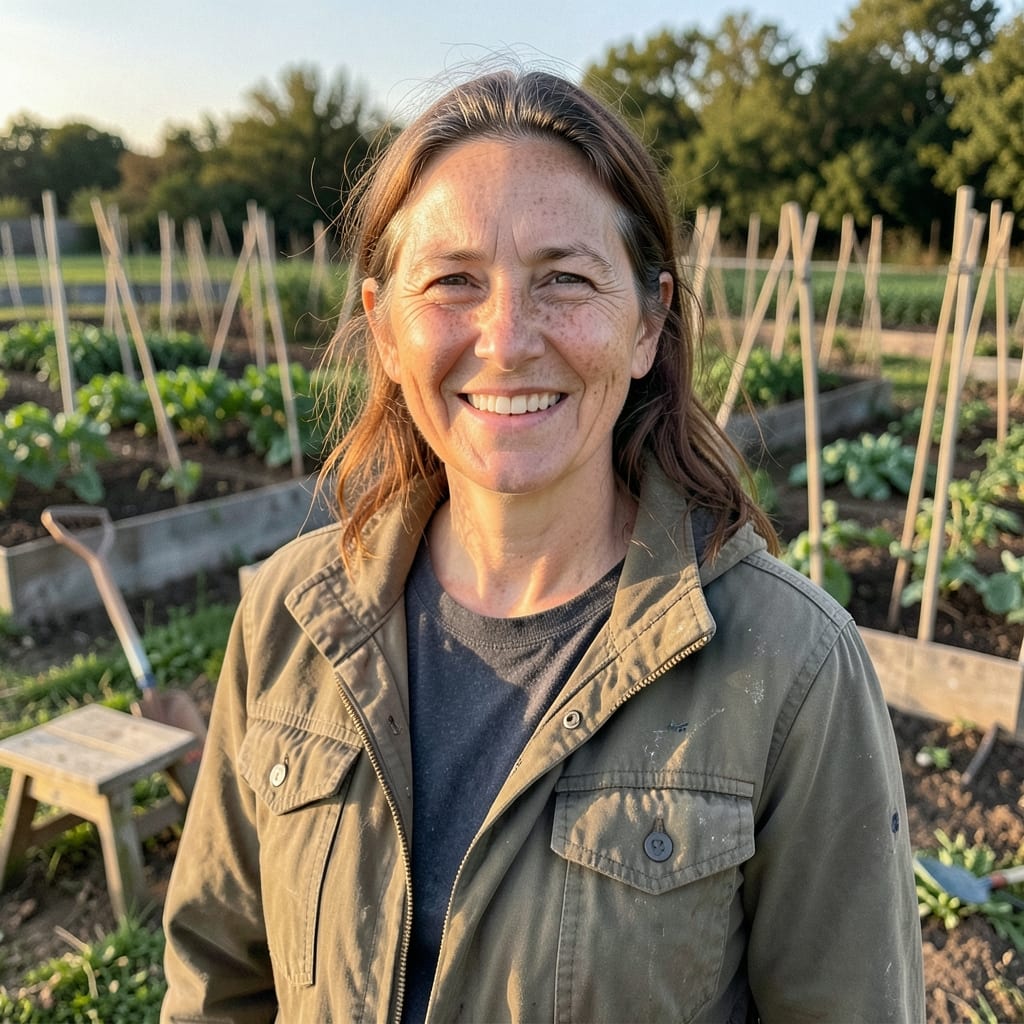
I am Colleen Trujillo, the founder and editor of *Houseplant Nook*. I am the one who writes about wilting leaves, stubborn cuttings, and the quiet joy of watching something grow.
I came to this from a childhood spent begging my mom for potted plants instead of toys. She’d hand me a tiny seedling and say, *‘This one’s yours. Don’t kill it.’* I didn’t.
And now, I spend my days surrounded by the same lesson: that growing things—whether they’re plants or ideas—is about paying attention, not perfection.
This work has given me a habit of noticing soil. I see it everywhere now—the texture, the smell, the way it holds water or drains too fast. I can’t walk past a garden without wondering what’s growing under the leaves.
And I can’t read an article about plants without checking the light conditions first.
I am here to write the kind of gardening advice I wish I’d had when I was starting out: the honest, unpolished truth about what works, what fails, and how to tell the difference. No fluff. Just the things that actually help a plant thrive.
Why any of this matters to you
Every page on this site is shaped by the things you’ve just read about. The cracked pot reminds me to write about saving plants that seem hopeless. The wooden spoon means the soil mixes are always tested in real conditions.
The pruners ensure I talk about cutting back, not just adding more. And the garden stone? That’s the weight of patience in every tip.
When you read about reviving a dying fern or propagating a new cutting, you’re not just getting words. You’re getting the marks of the tools that made them—the wear, the lessons, the things that were left out on purpose. Gardening isn’t about following rules.
It’s about noticing what works, what doesn’t, and why.
Every tip here comes from something that was actually tried. The soil mixes were stirred with that splintery spoon. The pruning advice was learned with these shears. And the patience? That’s the stone holding it all together.
The guides are grouped by category: Advice, Aphids, Blooming, Companion Plants, Container Gardens and Diseases.