
How To
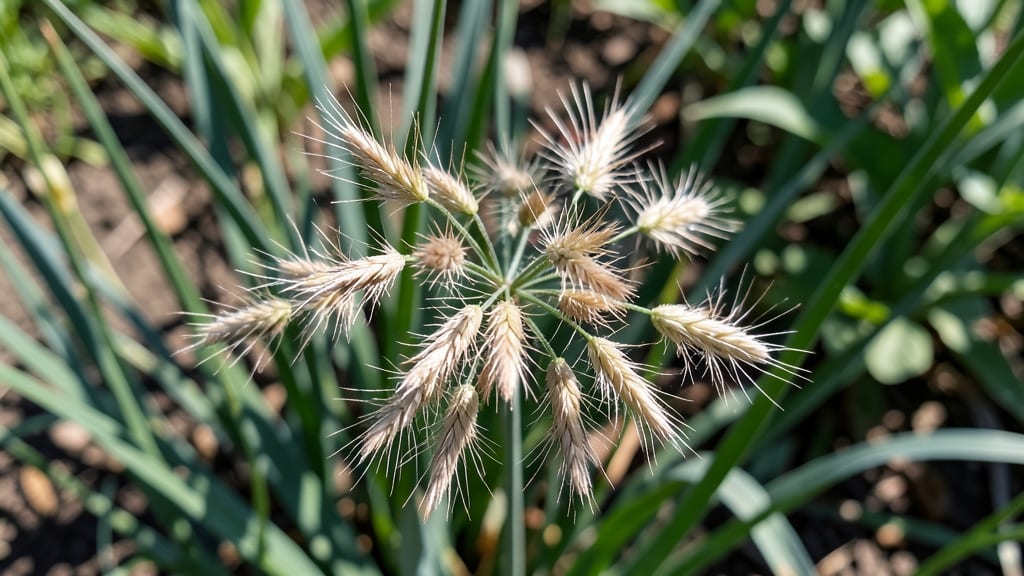
If you're dreaming of a lush, low-maintenance lawn in Florida, timing your centipede grass seed planting is the game-changer you need. Planting at the wrong time can leave you staring at bare soil for months, while the perfect window ensures strong root growth and vibrant green blades.
Florida's warm climate means centipede grass 🌿 thrives in late spring to early summer, but getting the exact months right makes all the difference. Too early, and you risk heat stress; too late, and germination slows down.
Let me show you the precise timing that works best for your region.
Beyond just dates, we'll cover soil prep, temperature tips, and how to handle Florida's humidity. These actionable steps will help you avoid common mistakes and set your lawn up for success from day one.
Whether you're a first-time planter or looking to refresh your existing grass, this guide gives you everything you need to plant with confidence. Let's get your Florida lawn growing strong!
Optimal Florida planting months for centipede grass seed based on climate zones
Florida’s climate zones—North, Central, and South—each offer unique windows for planting centipede grass seed. The key is targeting 75–85°F soil temperatures and high humidity (60%+), which trigger germination. In North Florida (Zone 8a), aim for late May to early June when nights cool slightly.
Central Florida (Zone 9a) thrives with June plantings, while South Florida (Zone 10a+) can extend to early August before summer’s peak heat arrives.
Planting too early (April or before) risks fungal diseases from lingering moisture, while late plantings (July or later) struggle with intense heat stress.
Microclimates—like shaded areas or coastal regions—may shift your window by 2–4 weeks. Always check your USDA zone and local weather forecasts for real-time adjustments.
Here’s how Florida’s three zones break down for centipede grass seed success:
| Zone | Ideal Planting Window | Soil Temp (°F) | Humidity (%) | Risk if Planted Outside Window |
|---|---|---|---|---|
| North (8a) | Late May–Early June | 75–82°F | 60–75% | Fungal growth, slow germination |
| Central (9a) | June | 78–85°F | 70–80% | Heat stress, seed dormancy |
| South (10a+) | Early June–Early August | 80–88°F | 75–90% | Overheating, poor root establishment |
For North Florida, I recommend planting in late May when daytime temps hit 85°F but nights dip to 65°F. This balance reduces heat shock while keeping humidity high enough for germination.
Use a soil thermometer to confirm temps—below 70°F delays sprouting, while above 90°F can kill seeds before they germinate.
In Central Florida, June is non-negotiable. The wet season’s peak humidity (70–80%) aligns perfectly with centipede grass’s needs. If you miss June, wait until August, but be prepared to shade young seedlings with 50% shade cloth to protect them from afternoon sun.
Pro tip: Plant on an overcast day to reduce seed stress.
South Florida’s extended window (June–early August) lets you plant later, but avoid July’s peak heat. If you plant in early August, water twice daily (morning and evening) to maintain soil moisture.
Coastal areas may need slightly earlier plantings due to salt spray drying out soil faster. Always test your soil’s drainage—centipede grass hates waterlogged roots.
One common mistake? Planting in September or later. By then, daylight hours shorten, and centipede grass struggles to establish before fall dormancy sets in. If you’re late, opt for sod instead of seed—it establishes faster and handles Florida’s hurricane season better.
For microclimates, like shaded yards or high-altitude areas, adjust your window by 2–4 weeks later. For example, if you’re in Lake County (North Central Florida), plant in early June instead of late May.
Always observe your lawn’s existing vegetation—if nearby palmetto or sabal palms are thriving, your microclimate likely supports centipede grass.
Finally, track your progress with a gardening journal. Note soil temps, rainfall, and germination rates. Over time, you’ll refine your localized planting window—because Florida’s weather is as unpredictable as it is diverse!
Optimal Florida planting months for centipede grass seed based on climate zones
Florida’s climate varies dramatically from North to South, which means the best time to plant centipede grass seed shifts slightly depending on your USDA zone. In North Florida (Zones 8a-8b), the ideal window is late May to early June when soil temperatures hit 75–80°F.
This gives seedlings time to establish before summer’s peak heat arrives.
For Central Florida (Zones 9a-9b), aim for early May to late June.
The humidity here is higher, so seeds can germinate faster, but planting too early risks fungal growth from excess moisture. South Florida (Zones 10a-11) has the longest window—April to early July—thanks to its year-round warmth, but avoid planting after June 15 to prevent heat stress.
Temperature is your biggest ally or enemy. Centipede grass seeds need soil temps between 75–85°F for germination. If your area hits 90°F+ consistently, germination slows dramatically, and seedlings may fail. Use a soil thermometer to check before planting—this simple tool saves time and frustration.
Here’s how Florida’s three regions compare for planting success:
| Region | Best Planting Window | Soil Temp Range | Key Risk |
|---|---|---|---|
| North Florida (Zones 8a-8b) | Late May–Early June | 75–80°F | Late summer drought |
| Central Florida (Zones 9a-9b) | Early May–Late June | 78–82°F | Fungal growth from humidity |
| South Florida (Zones 10a-11) | April–Early July | 80–85°F | Heat stress after June 15 |
Microclimates can also shift your ideal planting time. For example, coastal areas stay cooler and more humid, while inland regions dry out faster. If you’re near the Gulf Coast or Atlantic shoreline, you might push planting to late June without issues.
Inland areas should plant by mid-June to avoid summer dry spells.
Pro tip: If you miss the ideal window, late August can work for North Florida, but expect slower growth. Use shade cloth if planting in September to protect seedlings from intense afternoon sun.