
Plants
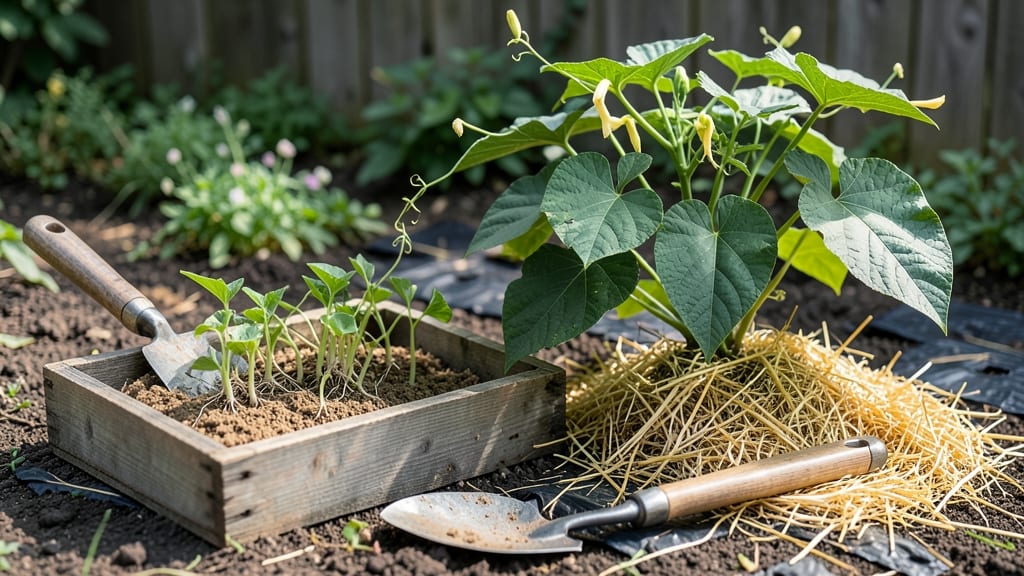
Planting sweet potatoes in Texas isn’t just about sticking slips in the ground—it’s about mastering the 30-day window between last frost and peak summer heat. Miss the mark, and you risk stunted growth or even crop failure, especially in USDA zones 8a-10b where frost can still sneak in as late as March in North Texas.
Here’s the secret: timing depends on where you live. In South Texas, you can start as early as February, while gardeners in Central and North Texas should wait until March or April—when soil temperatures hit a steady 65°F and frost risk fades.
I’ll break down the exact calendar for your region, plus how to prep slips and soil for Texas’ unique challenges.
Why does this matter? Because sweet potatoes—those 🍠-packed powerhouses—need 90-120 days of warm, frost-free growing to reach harvest size. Plant too soon, and late frosts can wipe out your crop. Too late, and you’ll be racing against summer’s brutal heat. Let’s get you the precise plan to avoid both pitfalls.
You’ll also discover how to extend your growing season with mulch, row covers, and smart watering—because in Texas, the real trick isn’t just when you plant, but how you protect your slips once they’re in the ground. Ready to turn your garden into a sweet potato goldmine?
Texas sweet potato planting calendar: slip timing by region and last frost dates
Texas spans three distinct climate zones, each with unique last frost dates and ideal planting windows for sweet potatoes. North Texas gardeners face late frosts into March, while South Texas enjoys frost-free starts as early as February.
Your exact timing depends on where you live—and whether you're planting slips (sprouted roots) or seeds.
For Central Texas (including Austin and San Antonio), aim for mid-March to early April when soil temperatures consistently hit 65°F+. In North Texas (Dallas, Fort Worth), wait until mid-April to early May to avoid frost damage.
Meanwhile, South Texas gardeners can plant as early as late February in areas like Corpus Christi or Brownsville.
🌱 Pro Tip: Use a soil thermometer to confirm 60°F+ soil temps before planting—sweet potatoes won’t sprout in cooler soil, even if air temperatures are warm.
| Region | Last Frost Date | Ideal Planting Window | Soil Temp Threshold | City Examples |
|---|---|---|---|---|
| North Texas | March 15 | Mid-April to early May | 65°F+ | Dallas, Fort Worth, Waco |
| Central Texas | January 15 | Mid-March to early April | 60°F+ | Austin, San Antonio, College Station |
| South Texas | December 1 | Late February to early April | 58°F+ | Houston, Corpus Christi, Brownsville |
If you're growing slips indoors (a common Texas practice), start them 8-10 weeks before your target outdoor planting date. Use well-draining containers and keep them in bright, indirect light until roots develop. For direct-seeding (less common in Texas), plant after May 1 when soil is warmest.
🌿 Texas-Specific Warning: Avoid planting too early in clay-heavy soils (common in East Texas). Cold, wet clay can cause rot before sprouting. Amend with compost or sand to improve drainage if needed.
For extended harvests, stagger plantings every 2-3 weeks within your region's window. This ensures a continuous supply from late summer through fall. In South Texas, you can even squeeze in a second planting in June for a winter harvest before first frosts.
📅 Harvest Timeline: Count 90-120 days from planting to harvest. North Texas crops mature by October-November, while South Texas can harvest as late as December in sheltered microclimates.
💡 Local Insight: Check your USDA Plant Hardiness Zone (Texas ranges from 7b to 10a) and adjust by 1-2 weeks if your microclimate runs cooler (e.g., hilltops) or warmer (e.g., urban heat islands).
How to choose the perfect sweet potato slips for Texas heat and soil
Not all sweet potato slips thrive in Texas’ clay-heavy soils and intense summer heat. The right slip makes the difference between a bountiful harvest and wasted effort. Look for slips with thick stems (1/4-inch diameter)—these handle Texas’ heat better than thin, spindly ones.
Healthy leaves should be deep green without yellowing, signaling disease-free stock.
Store-bought slips are convenient but often lack the disease resistance of home-grown varieties adapted to Texas’ humid summers. If you’re growing your own slips from seed potatoes, start them indoors 8-10 weeks before your target planting date. This gives them a head start against Texas’ fast-moving heat waves.
Store-Bought vs. Home-Grown Slips
🌱| Factor | Store-Bought Slips | Home-Grown Slips |
|---|---|---|
| Convenience | ✅ Ready to plant | ❌ Requires 8-10 weeks prep |
| Disease Resistance | ❌ Often generic varieties | ✅ Choose Texas-adapted types |
| Heat Tolerance | ⚠️ Moderate (varies by brand) | ✅ Select heat-tolerant cultivars |
| Cost | ✅ Lower upfront cost | ❌ Higher long-term investment |
| Soil Adaptability | ⚠️ Struggles in heavy clay | ✅ Can test soil and amend |
Before planting, soak slips in water for 2-3 hours to rehydrate roots—critical for Texas’ dry spring winds. For clay soils, mix in compost or aged manure to improve drainage. Sweet potatoes hate soggy roots, so avoid planting in low spots where water pools after rain.
Pro tip: Trim slips to 6-8 inches tall before planting to encourage faster root establishment. This reduces transplant shock in Texas’ sweltering April temperatures. Use a balanced 10-10-10 fertilizer at planting to give slips a nutrient boost for the long growing season ahead.
For Texas-specific varieties, try Beauregard (disease-resistant) or Centennial (heat-tolerant). These perform better than standard grocery-store types in our humid summers. Always plant slips after soil reaches 65°F—cold soil slows growth and invites rot.
Once planted, mulch heavily with straw to retain moisture and regulate soil temperature. Texas’ temperature swings can stress slips, so consistent moisture is key. Water deeply in the morning to prevent fungal diseases that thrive in our sticky summer humidity.