Plants
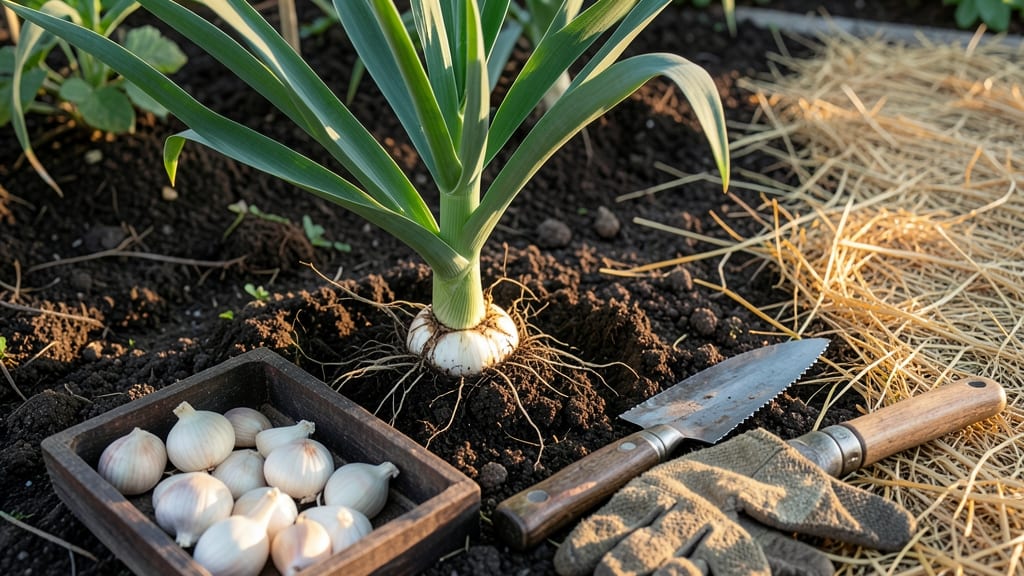
Planting garlic in South Texas isn’t just about timing—it’s about outsmarting the heat to grow bold, flavorful bulbs that won’t bolt before they’re ready. Unlike cooler climates, your 9a-10a zone demands a different approach, and getting it wrong means watching your crop turn to seed instead of harvest-worthy cloves.
The key? Planting 🧄 garlic in late fall—between October and November—when soil temps dip below 75°F but before the first frost hits. This narrow window tricks the plant into focusing on bulb development rather than flowering, a game-changer for South Texas gardeners who’ve lost crops to early heat.
But here’s the catch: not all garlic varieties handle Texas’ sweltering springs. I’ll break down the top heat-tolerant picks that thrive here, plus proven strategies to keep your garlic cool enough to mature—without ending up with tiny, bitter bulbs.
Ready to grow garlic that’s plump, pungent, and perfect? Let’s dive into the exact months, soil prep secrets, and microclimate hacks that’ll make your harvest the envy of the neighborhood.
Best planting months for South Texas garlic to avoid bolting
South Texas’s warm winters and scorching summers make garlic planting a delicate balance. Unlike northern regions, fall planting in October or November is your golden ticket to avoiding bolting—when garlic sends up flower stalks too early, ruining bulb development.
The key? Plant when soil temps drop to 60-70°F, giving cloves 120-150 days to mature before summer heat strikes.
Missed the fall window? You can squeeze in a December planting, but yields may suffer. The goal is to let garlic overwinter slowly—just enough to avoid bolting while still developing plump bulbs. In USDA zones 9a-10a, this means no frost stress but also no early heat spikes.
Here’s the critical timeline for South Texas:
| Stage | Action | Notes |
|---|---|---|
| Soil Prep | Test pH (6.0-7.0) | Amend with compost if needed |
| Planting Window | October 15–November 15 | Avoid September (too hot) |
| Depth | 2–4 inches deep | Pointy end up, 4–6 inches apart |
| Growth Phase | Winter dormancy | Minimal watering (drought-tolerant) |
| Harvest Ready | April–May | Lower leaves brown and crispy |
Why October-November? This timing lets garlic establish roots before winter’s mild chill and avoids the spring heat surge that triggers bolting. Think of it as a cool-season hack for South Texas’s long growing season.
Pro tip: Use a soil thermometer to confirm temps are below 70°F before planting. If soil stays warm (common in deep South Texas), opt for shade cloth or mulch to cool roots.
Microclimates matter! Coastal areas (like Corpus Christi) can plant a month later than inland San Antonio. Check your last frost date—even if rare, a light freeze can jumpstart growth and reduce bolting risk.
Bolting is your biggest enemy in South Texas. Heat above 80°F for prolonged periods signals garlic to flower instead of bulbing. By planting in late fall, you’re cheating the system—giving garlic just enough chill to ignore the heat and focus on bulb development.
Need a backup plan? Some gardeners try spring planting (February), but yields are 50% smaller due to bolting. Only attempt this with heat-tolerant varieties (like Creole) and shade cloth.
Remember: Patience pays off. Garlic planted in November won’t harvest until May, but the flavor and size are worth the wait. Skip the rush—your bulbs will thank you.
Best planting months for South Texas garlic to avoid bolting
In South Texas’ 9a-10a climate, garlic thrives when planted during the coolest months—but not too early. Aim for mid-October to November, when daytime temps hover between 60°F and 75°F.
This window ensures your cloves focus on bulb development instead of bolting (sending up flower stalks) due to heat stress.
Why? Garlic bolts when exposed to consistent temps above 75°F for weeks. South Texas’ spring heat arrives fast—by March, daytime temps often hit 85°F+, triggering bolting. Planting in late fall gives your garlic 120-150 days of cooler weather to mature before summer’s heat peaks.
Pro tip: Check soil temps—ideal planting conditions occur when soil is 60-75°F at 4 inches deep. Use a soil thermometer to confirm. If temps drop below 50°F, delay planting until after the first frost (usually mid-December in South Texas).
| Planting Window | Soil Temp | Daytime Temp | Risk Level |
|---|---|---|---|
| Mid-October | 60-75°F | 70-85°F | Low (ideal) |
| Late November | 55-65°F | 60-75°F | Medium (watch for frost) |
| Early December | Below 50°F | 50-65°F | High (delay if possible) |
If you miss the fall window, don’t panic—spring planting is possible but riskier. Plant in January-February for a summer harvest, but expect smaller bulbs due to heat stress. For best results, stick to fall planting and choose heat-tolerant varieties like 'Creole' or 'Silverskin' to maximize bulb size.
South Texas’ long growing season means garlic can mature by April-May if planted correctly. Time your harvest for when lower leaves brown but upper leaves stay green. This signals the bulb is fully developed but hasn’t yet bolted from heat stress.
Remember: The earlier you plant in the fall, the larger your bulbs will grow. But don’t rush—soil must be workable (not waterlogged) and temps stable. Aim for 4-6 weeks before the first frost (usually mid-December) to give your garlic time to establish roots before winter slows growth.