
Plants
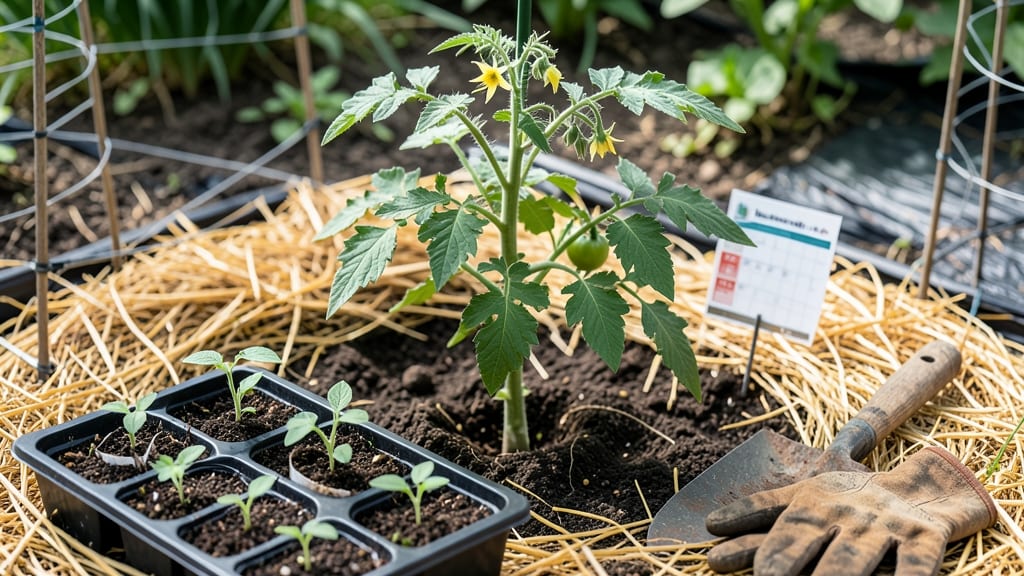
The best time to plant tomatoes in Tennessee isn't just about dates—it's about nailing soil temperatures and avoiding those sneaky late frosts that can wipe out your 🍅 dreams before they even sprout.
With Tennessee's USDA zones 6a-7b, you've got a narrow window between March 15 and April 15 for last frost, but waiting until soil hits 60°F is the real game-changer.
Plant too early, and your seedlings become frost snacks; too late, and summer heat zaps your plants before they bear fruit.
I've learned the hard way that timing matters more than most gardeners realize.
Whether you're starting seeds indoors or transplanting young plants, this guide will help you sync your schedule with Tennessee's quirky climate—because even a week off can mean the difference between a bountiful harvest and a sad, stunted tomato plant.
Let's break down exactly when to plant, how to prep your soil, and the microclimate tricks that'll give your tomatoes the edge—especially if you're dealing with urban heat islands or mountain valleys. Your summer salads are about to get a whole lot tastier.
Optimal planting windows in Tennessee by soil temperature & last frost dates
Timing your tomato planting in Tennessee isn't just about avoiding frost—it's about matching soil temperatures and regional microclimates. Most Tennessee gardeners in USDA Zones 6a-7b should aim for mid-April to mid-May, but your exact window depends on whether you're starting with transplants or seeds.
For transplants, wait until after your average last frost date (typically April 15 in most areas) and when soil reaches 60°F at 4 inches deep.
If you're direct-sowing seeds, push the timeline back by 2-3 weeks since seedlings need 55-60°F soil to germinate properly. East Tennessee (like Knoxville) tends to have cooler springs, so plant 1-2 weeks later than West Tennessee (like Memphis), where heat arrives earlier.
Always check your local frost dates—the UT Extension provides county-specific data to avoid surprises.
Here’s the golden rule for Tennessee tomato planting: Never plant when nighttime temps dip below 50°F, or your plants will suffer from blossom drop or stunted growth. Even heat-loving varieties like 'Celebrity' or 'Better Boy' need a stable warm environment to thrive.
Use row covers or cold frames if you're eager to plant earlier, but be prepared to remove them once daytime temps hit 75°F+ to prevent overheating.
| Planting Method | Ideal Planting Window | Soil Temp Requirement | Microclimate Adjustments |
|---|---|---|---|
| Transplants (Nursery-Bought) | April 15–May 15 | 60°F+ at 4" | East TN: Delay 1 week; Urban areas: Use black plastic mulch |
| Direct-Sown Seeds | May 1–May 31 | 55–60°F at 1" | Mountain valleys: Wait until June 1; River valleys: Start by May 15 |
| Indoor Starts (Transplant Later) | March 1–March 15 (indoors) | 70°F+ under lights | Hardening off by April 1; Use grow lights if natural light is weak |
For East Tennessee gardeners (e.g., Chattanooga, Knoxville), the last frost date often lands in mid-April, but soil warming can lag behind. Use a soil thermometer to confirm readiness—55°F for seeds, 60°F for transplants.
In West Tennessee (e.g., Memphis, Nashville), you can sometimes plant transplants by early April, but heat waves in May can stress young plants, so prioritize shade cloth or afternoon watering.
Pro tip: Stagger your planting by 2-3 weeks to extend your harvest. Start with early varieties like 'Stupice' (cold-tolerant) in early May, then add maincrop varieties like 'Brandywine' in mid-May, and finish with late-season heat lovers like 'Solar Fire' in early June.
This ensures continuous fruit production until frost. Just remember—no tomatoes after July 15 in most of Tennessee, as daytime heat can cause blossom drop or sun scald.
If you're in a high-altitude area (e.g., Great Smoky Mountains), push planting back to late May—cooler nights and shorter days delay maturity.
For lowland areas near the Mississippi River, you might even squeeze in a fall planting of cold-hardy varieties like 'Mountain Merit' by August 1, using row covers to protect against early frosts.
One critical mistake Tennessee gardeners make is ignoring soil temperature in favor of calendar dates. A 50°F soil in April might feel warm to your hands, but it’s too cold for tomato roots.
Invest in a $10 soil thermometer—it’s the difference between thriving plants and wasted effort. Pair it with a frost date tracker from your local Cooperative Extension office for foolproof timing.
For container gardening in Tennessee, soil warms faster than in-ground beds, so you can plant transplants 1-2 weeks earlier. Use black pots to absorb heat, and place containers in south-facing spots where they’ll get maximum sunlight.
Just ensure your container is at least 12 inches deep—shallow pots stunt root growth and reduce yield.
Finally, don’t overlook succession
Optimal planting windows in Tennessee by soil temperature & last frost dates
Tennessee’s USDA zones 6a-7b give you a tight window to plant tomatoes, but timing isn’t just about dates—it’s about soil temperatures and microclimates.
The average last frost date ranges from March 15 in East Tennessee to April 15 in the West, but your plants won’t thrive until the soil warms to at least 60°F.
For transplants, aim to plant after your last frost date but no later than May 15. If you’re starting seeds indoors, begin them 6-8 weeks before your last frost date—usually around February 15—so they’re ready to transplant by early May.
This ensures your seedlings have strong roots before summer heat hits.
Here’s the key: Soil temperature matters more than air temperature. Use a soil thermometer to confirm your garden bed is at 60°F before planting. Cold soil slows root growth, making your plants vulnerable to disease and stress.
In East Tennessee’s mountain valleys, soil warms slower, so wait until late April or early May.
| Planting Method | Ideal Planting Window | Soil Temp Requirement | East TN Adjustment | West TN Adjustment |
|---|---|---|---|---|
| Transplants | April 15 - May 15 | 60°F+ | Wait until May 1 | Plant by April 30 |
| Direct Seeds | May 1 - June 1 | 55°F+ | Wait until May 15 | Plant by May 10 |
| Indoor Starts | February 15 - March 15 | N/A (indoor) | Start by March 1 | Start by February 20 |
If you’re in West Tennessee’s urban heat islands, like Nashville or Memphis, you can plant transplants as early as April 1—the extra heat speeds up soil warming. But avoid planting before April 15 in East Tennessee’s cooler valleys, like the Smoky Mountains, where late frosts linger.
Pro tip: Check the Tennessee State Climatology Office for your local frost dates and soil temperature trends. Their data can help you fine-tune your planting schedule. For example, if your area had an early frost last year, adjust your timeline by 1-2 weeks later this year.
Remember, tomatoes hate cold feet. Even if the air is warm, cold soil will stunt your plants. Use a black plastic mulch to warm the soil faster if you’re in a hurry—it can raise soil temps by 5-10°F in just a few days.
Your tomatoes will thank you with bigger, healthier fruit.