
Plants
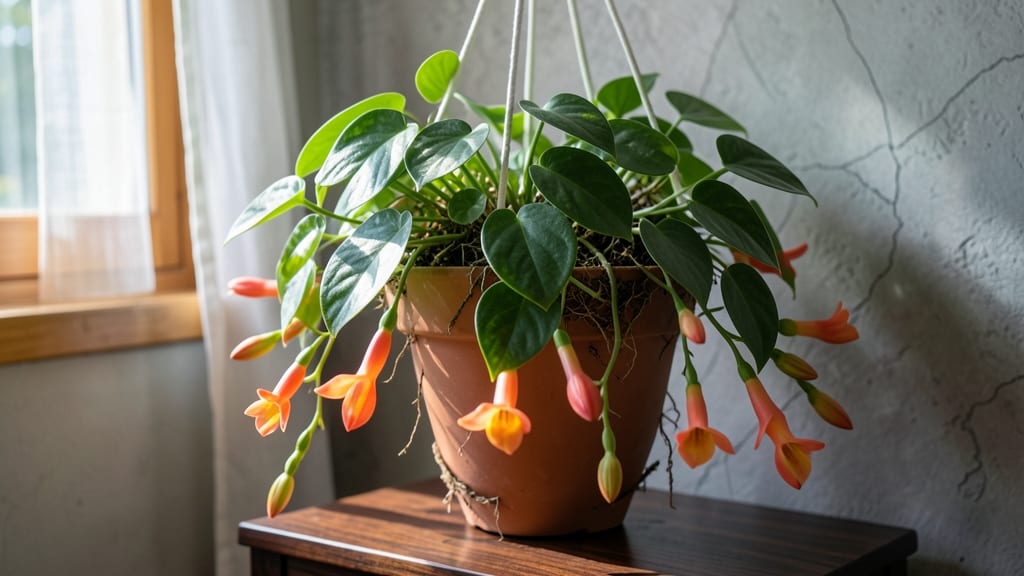
If your Goldfish Plant 🐟 is looking more like a sad vine than a vibrant showstopper, you’re probably missing the mark on how much light does a goldfish plant need.
This stunning trailing beauty thrives on bright indirect light—not too harsh, not too dim—and getting it right is the key to those iconic red, gold, and pink blooms.
Too little light, and your plant stretches out leggy and weak, while too much direct sun can scorch its delicate leaves. The sweet spot? About 3-4 hours of filtered sunlight daily, like a cozy spot near an east-facing window.
But what if your home doesn’t have the perfect lighting? Don’t worry—I’ll show you how to tweak your setup for lush, healthy growth, whether indoors or out.
You’ll also learn to spot the warning signs—faded leaves, sparse blooms, or elongated stems—that scream your plant needs a light adjustment. With the right conditions, your Goldfish Plant won’t just survive; it’ll become the star of your space, dripping with color and life.
Ready to transform that droopy plant into a thriving masterpiece? Let’s dive into the exact light conditions your Goldfish Plant craves—and how to nail them every time.

Goldfish Plant light requirements: the perfect balance of bright indirect sun
Your Goldfish Plant (Columnea microphylla) thrives when it receives 3-4 hours of bright indirect light daily. This delicate balance mimics its natural habitat in tropical forests, where dappled sunlight filters through the canopy.
Too little light causes leggy growth and sparse blooms, while too much direct sun leads to leaf scorch and faded foliage. Understanding these needs is key to keeping your plant's signature red, gold, and pink flowers vibrant year-round.
Scientifically, Columnea species have adapted to moderate light conditions that prevent photosynthesis overload. Their leaves contain light-sensitive pigments that adjust to varying intensities, but they lack the protective waxy coating found in desert plants.
This makes them particularly sensitive to intense afternoon sun, which is why morning light is ideal for their growth cycle.
For indoor gardeners, the best window placement is near east or west-facing windows, where sunlight is softer. South-facing windows can work but require sheer curtains or a sheer fabric barrier to diffuse the light.
Outdoor growers should place their Goldfish Plants in partial shade gardens, where they receive morning sun and afternoon shade from taller plants or structures.
| Light Condition | Daily Hours Needed | Growth Impact | Bloom Frequency |
|---|---|---|---|
| Bright Indirect | 3-4 hours | Compact, lush foliage | Year-round blooms |
| Medium Light | 2-3 hours | Leggy growth, sparse leaves | Occasional blooms |
| Low Light | <1 hour | Stunted growth, pale leaves | No blooms |
| Direct Sun | >4 hours | Leaf scorch, crispy edges | Reduced blooms |
Seasonal adjustments are crucial for maintaining your Goldfish Plant's health. During spring and fall, when sunlight is gentler, you can increase exposure to 4-5 hours of bright indirect light to encourage new growth and blooming.
In summer, when UV rays are strongest, reduce direct sunlight exposure to 2-3 hours maximum and provide afternoon shade. Winter months often require supplemental grow lights to maintain the 3-hour minimum for photosynthesis.
Watch for visual cues that indicate your plant's light needs. Dark green leaves with vibrant blooms signal optimal light conditions. Pale yellow or reddish leaves suggest too much direct sun, while long, sparse stems with few leaves mean insufficient light.
Regularly rotate your plant quarter-turns every 2 weeks to ensure even light exposure and prevent one-sided growth.
If you notice leaf edges turning brown or crispy, immediately move your Goldfish Plant to a shadier spot and mist the leaves to restore moisture. For etiolated (stretched) plants with pale stems, increase light exposure gradually over 1-2 weeks to avoid shocking the plant.
A grow light on a timer set for 6-8 hours daily can help bridge gaps in natural light, especially during winter months.
Pro tip: Place your Goldfish Plant near a moisture-rich bathroom or kitchen window to combine ideal light with humidity. The steamy environment mimics its tropical origins and can boost bloom production by up to 30%. Just ensure the humidity doesn't exceed 60% to prevent fungal issues.
Remember, consistency is key—abrupt changes in light exposure can stress your Goldfish Plant. If you're relocating it, do so gradually over 5-7 days to allow the plant to adjust.
With the right light balance, your Goldfish Plant will reward you with continuous blooms and lush foliage that brightens any space.
Goldfish Plant light requirements: the perfect balance of bright indirect sun
Your Goldfish Plant (Columnea microphylla) thrives in bright indirect light, mimicking its natural understory habitat in tropical forests. This delicate balance ensures vibrant foliage and continuous blooms in its signature red, gold, and pink hues.
Too little light causes leggy growth, while too much leads to leaf scorch—both common mistakes even experienced gardeners make.
Ideal light exposure is 3-4 hours of bright indirect light daily, positioned near east or west-facing windows where sunlight is gentler. South-facing windows may require sheer curtains to diffuse harsh afternoon rays, while north-facing windows might need grow lights during winter months when natural light dims.
| Light Condition | Daily Exposure | Plant Response | Adjustment Needed |
|---|---|---|---|
| Bright Indirect | 3-4 hours | Vibrant blooms, lush foliage | Perfect—no changes |
| Low Light | <2 hours | Leggy stems, sparse blooms | Move closer to window or add grow light |
| Direct Sun | >4 hours | Brown leaf tips, wilting | Use sheer curtain or reposition |
Seasonal changes significantly impact your Goldfish Plant's light needs. During spring and summer, when sunlight is intense, position it 2-3 feet from an east window to avoid leaf burn.
In fall and winter, supplement with a 12-hour grow light cycle to maintain photosynthesis efficiency, especially in USDA Zone 6a where shorter days reduce natural light.
Watch for visual cues like yellowing leaves (too much light) or stretched stems (too little). Adjust placement weekly to match seasonal light shifts. Rotate the pot quarter-turns monthly for even growth—this prevents one-sided light exposure that causes lopsided foliage.
For outdoor growers, place your Goldfish Plant under dappled shade (e.g., under a tree canopy) during summer months. Bring it indoors before first frost (October 15) in Zone 6a, as temperatures below 50°F stress the plant. A south-facing patio with afternoon shade works well in milder climates.
Pro tip: Test your light setup with a light meter app (aim for 1,000-2,000 foot-candles). If your space falls short, a full-spectrum LED grow light on a timer replicates ideal conditions. Consistency is key—Goldfish Plants reward stable light with year-round blooms and glossy foliage.