
Plants
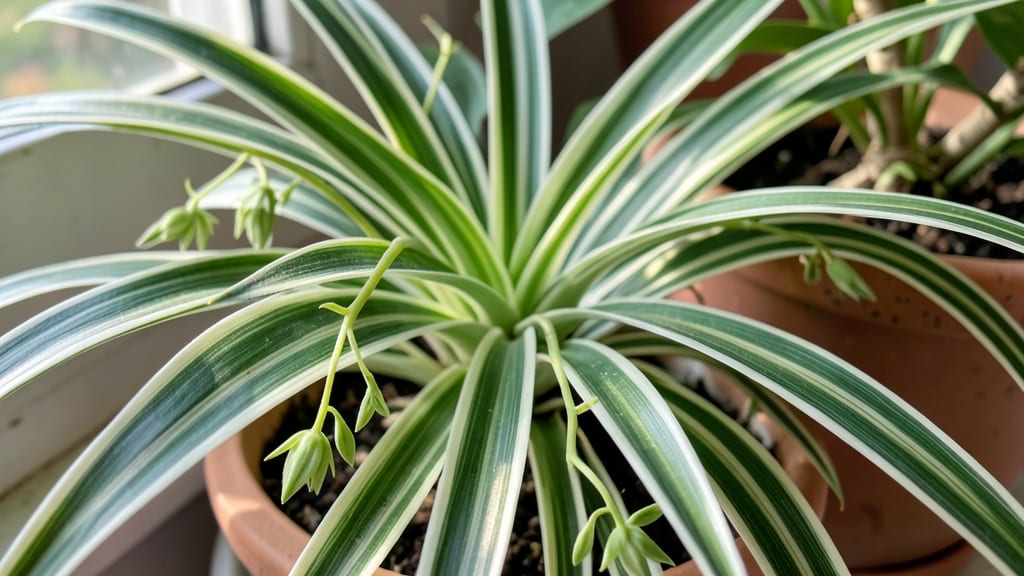
How much light does a spider plant need? If you’ve ever watched your 🌿 Spider Plant stretch toward the window like a sleepy cat reaching for sunlight, you’re not alone. The good news? This resilient plant thrives in conditions where fussy houseplants would throw in the towel—meaning you don’t need a sunroom to keep it happy.
Most people assume Spider Plants demand bright light, but the truth is far more flexible. While they love bright indirect light (think east-facing windows or a few feet from a north window), they’ll survive—and even tolerate—low-light offices or dim corners.
The key is understanding the subtle clues your plant uses to communicate its needs.
In this guide, I’ll break down exactly how to spot the difference between underlighted and overlighted Spider Plants, plus 3 easy fixes to adjust light exposure without guessing.
Whether your plant is sporting leggy stems or crispy brown tips, you’ll know exactly how to bring it back to its vibrant best.
Let’s dive into the light secrets that’ll have your Spider Plant flourishing in no time—no green thumb required.

Spider plant light requirements: ideal brightness levels explained
Spider plants (Chlorophytum comosum) are famously adaptable, but their light needs often get misunderstood. Unlike sun-loving succulents, they thrive in bright indirect light—think of it as the "Goldilocks zone" for foliage plants. Too little light, and they stretch awkwardly; too much, and their leaves crisp like toast.
Let’s break down the three light zones your spider plant will love (or suffer in), so you can spot the perfect home for it.
First, let’s clarify: no direct sunlight. Even a few hours of harsh afternoon rays will leave your spider plant with brown, crispy patches—a classic sign of sunburn. Instead, aim for filtered light, like what you’d get from a sheer curtain or a north-facing window.
This plant’s natural habitat in South Africa’s shady forest understories explains why it’s so forgiving of lower light levels compared to other houseplants.
Here’s the key: medium light is where spider plants truly shine. In this zone, they produce their signature striped leaves and frequent "spiderettes" (those adorable baby plants dangling from long stems).
The ideal spot? 3-6 feet from an east- or west-facing window, where sunlight is bright but diffused. If your home lacks natural light, don’t panic—we’ll cover grow light solutions later.
Now, let’s address the myth: "Spider plants can grow in any light." While they can survive in low light (like a dim office corner), they’ll never reach their full potential. Expect leggy stems, sparse foliage, and fewer spiderettes.
This isn’t just about aesthetics—slow growth also means fewer opportunities to propagate new plants, which is half the fun of owning a spider plant!
Pro tip: Rotate your spider plant every 2-4 weeks. This ensures even growth, especially if it’s near a window where light hits one side more than the other.
Uneven light exposure leads to lopsided growth—one side stretching toward the light while the other stays compact. A simple quarter-turn keeps your plant symmetrical and happy.
Watch for these subtle signs your spider plant is telling you about its light needs. Dull, solid green leaves without stripes? It’s begging for more light. Brown tips? It’s either getting too much sun or not enough water (but first, check the light!).
And if you see long, bare stems with tiny leaves at the top, that’s the classic "etolation" stretch caused by insufficient light. The good news? Spider plants are quick to recover once you adjust their environment.
For those in apartments with limited natural light, don’t despair. Spider plants are one of the most forgiving indoor plants when it comes to light.
With a little creativity—like placing them near a skylight, glass door, or even under a grow light—you can coax them into producing those vibrant stripes and plentiful spiderettes that make them so beloved. Let’s dive into practical solutions for optimizing light in your next section.
Spider plant light requirements: ideal brightness levels explained
Your Spider Plant (🌿 Chlorophytum comosum) is a master of adaptability, thriving where pickier plants fail—but that doesn’t mean it’s invincible. The brightness spectrum for these plants spans from dim offices to sunlit windowsills, but each zone triggers different growth responses.
Understanding these light intensity levels is the first step to keeping your plant lush and productive.
Most beginners assume Spider Plants need direct sunlight, but the truth is more nuanced. While they tolerate low-light conditions, their optimal growth zone falls in medium to bright indirect light.
Think of it like Goldilocks—too little light, and they stretch awkwardly; too much, and they crisp up like overcooked veggies. The secret lies in matching their needs to your home’s natural light map.
Notice how leaf stripes act like a mood ring for your Spider Plant? In medium light, those yellow-green stripes pop vibrantly—a clear sign your plant is thriving. But if the stripes fade to solid green, it’s begging for more brightness.
Conversely, if the edges turn brown and crispy, you’ve pushed it too far into the direct sunlight zone.
Pro tip: The east-facing window is your Spider Plant’s sweet spot. Morning sun is gentle enough to fuel growth without risking scorching. If your home lacks natural light, grow lights can mimic this balance—just keep them 6-12 inches above the plant for 12-14 hours daily.
Avoid cheap blue/red spectrum bulbs; opt for full-spectrum LED instead.
Even in low-light conditions, Spider Plants won’t die—they’ll just survive. But why settle for survival when you can have a bushy, stripe-filled powerhouse?
The goal is to position your plant where it gets enough light to produce those iconic 'spiderettes' (the baby plants on stalks) without stressing its leaves. Start by testing your current spot with the shadow test—hold your hand between the plant and light source.
If your shadow is faint or nonexistent, it’s time to relocate.