
Plants
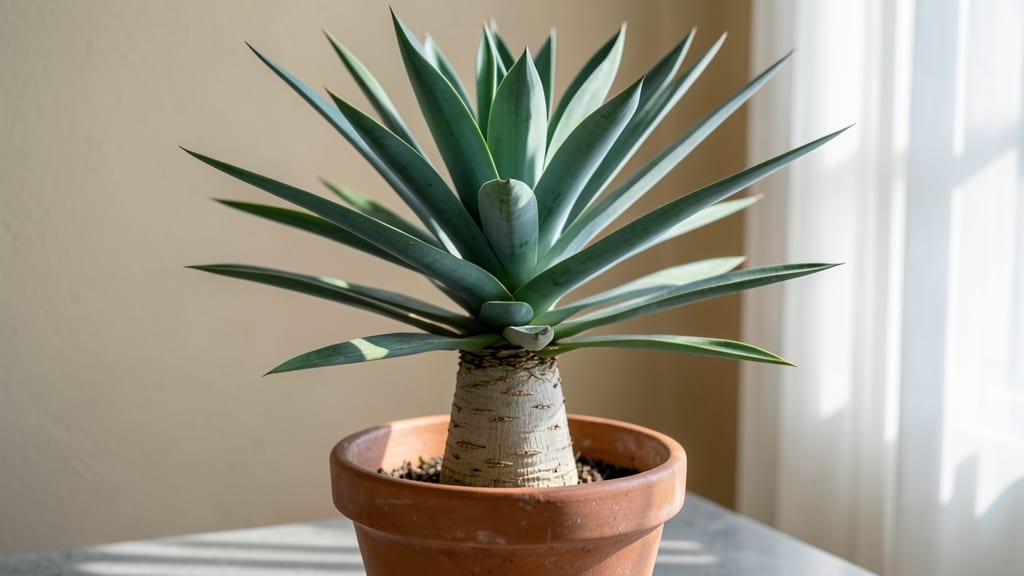
If you're wondering how much light does a yucca plant need, you’re not alone—this is a classic sign it’s craving more brightness than your space is giving it. Yuccas thrive in conditions that mimic their natural desert habitat, where sunlight is abundant but not always scorching.
The good news? With just a few tweaks, you can transform your plant’s leggy, weak growth into sturdy, vibrant foliage that’s the envy of every room.
Most gardeners assume yuccas demand full sun at all costs, but the truth is more nuanced. While they love bright light, they’re surprisingly adaptable to low-light conditions—as long as you meet their minimum requirements.
Whether you’re battling a dim apartment or a shady patio, understanding the ideal light spectrum for your yucca is the first step to keeping it happy. Let’s break down exactly how much light your plant needs to flourish without burning out.
Indoor yuccas often struggle because we underestimate how much light they actually need. A south-facing window might seem like the perfect spot, but if your plant is still leaning toward the glass, it’s a red flag.
Outdoors, the story changes slightly—yuccas in USDA Zone 6a can handle more direct sunlight, but even they benefit from a little afternoon shade during peak summer heat.
The key is striking that balance between too little and too much light, and I’ll show you how to spot the warning signs before they become permanent damage.
Ready to give your yucca the light it craves? You’ll learn how to position it for success, whether you’re working with a sunroom, a living room corner, or a backyard oasis. Plus, I’ll debunk the myth that yuccas are low-maintenance light sponges—because even drought-tolerant plants have their limits.
Let’s get your yucca plant 🌵 glowing with health, one bright step at a time.

Yucca plant light requirements: ideal sunlight conditions for growth
Yucca plants thrive in bright, direct sunlight, making them perfect for sunny gardens and desert landscapes. In their natural habitat, they soak up 6-8+ hours of full sun daily, which is exactly what they crave to maintain their iconic sword-like foliage and sturdy structure.
Without enough light, these plants become leggy and weak, while too much intense midday sun can cause leaf scorch—especially in hot climates.
For outdoor yuccas, a south-facing location is ideal, as it provides the most consistent sunlight throughout the day. Even in cooler climates, yuccas can handle full sun exposure year-round, though their growth may slow during winter months when daylight is shorter.
The key is ensuring they receive enough light to fuel their photosynthesis and growth, especially during their active growing season in spring and summer.
Indoors, yuccas still need bright indirect light, but they can tolerate lower light conditions than their outdoor counterparts. A spot near a south- or west-facing window is best, where they’ll get several hours of indirect sunlight.
If your home lacks natural light, supplement with a grow light to prevent stretching and maintain their vibrant green or variegated leaves.
| Condition | Outdoor Requirements | Indoor Requirements |
|---|---|---|
| Sunlight Type | Full sun (6-8+ hours direct) | Bright indirect light (3-6 hours) |
| Best Location | South-facing garden bed | South/west-facing window |
| Seasonal Adjustments | No major changes needed | Rotate pot for even light |
| Light Deficiency Signs | Leggy growth, pale leaves | Stretched stems, weak foliage |
One common misconception is that yuccas can thrive in deep shade, but this leads to weak, spindly growth and a loss of their striking appearance.
If you notice your yucca’s leaves turning yellow or brown at the tips, it may be a sign of too much direct sun, especially during peak afternoon hours. In such cases, provide afternoon shade with a sheer curtain or move the plant to a slightly more sheltered spot.
For variegated yucca varieties, like Yucca gloriosa ‘Variegata’, light requirements are even more critical. These plants need bright, indirect light to maintain their white or cream variegation. Too little light causes the variegation to fade, while too much direct sun can cause the white portions to burn.
A west-facing window is often the best compromise for indoor variegated yuccas.
In hot, arid climates, yuccas can handle the harshest sunlight, but in cooler regions, they still perform well in full sun as long as the soil drains quickly.
Avoid planting them in areas with poor drainage or heavy clay soil, as soggy roots combined with full sun can lead to root rot. Always pair your yucca with well-draining soil and a location that mimics its natural desert environment.
If you’re growing yuccas in containers, ensure the pot has drainage holes and use a cactus or succulent mix to prevent waterlogging.
Place the container in a spot where it can receive unfiltered sunlight for most of the day, as container-grown yuccas may need more frequent light adjustments than those planted in the ground.
Seasonal changes also play a role in light exposure. During summer solstice, when days are longest, yuccas may need protection from the most intense midday sun. A lightweight shade cloth (30-50% shade) can help prevent leaf scorch while still allowing plenty of light to reach the plant.
In winter, when daylight is shorter, yuccas may enter a dormant phase, but they still benefit from as much light as possible to maintain their health.
Ultimately, the goal is to provide your yucca with consistent, bright light that matches its natural growing conditions.
Whether you’re growing it outdoors in a desert landscape or indoors near a sunny window, paying attention to light will keep your yucca strong, healthy, and visually stunning for years to come. 🌵
Yucca plant light requirements: ideal sunlight conditions for growth
Yuccas thrive in bright, direct sunlight, making them perfect for sunny gardens or indoor spots near windows. In their natural habitat, they bask under full sun exposure, which translates to 6-8+ hours of sunlight daily for optimal growth.
This light intensity helps maintain their iconic arching leaves and sturdy structure.
For outdoor yuccas, a south-facing location is ideal, especially in cooler climates where sunlight is less intense. Even in hotter regions, they can handle intense afternoon sun with ease, though their leaves may develop a slight sunburn if suddenly exposed to extreme heat after shade.
| Condition | Outdoor Requirements | Indoor Requirements |
|---|---|---|
| Sunlight | 6-8+ hours direct | 4-6 hours bright indirect |
| Best Window | South-facing | South or west-facing |
| Seasonal Adjustments | Morning sun in summer | Rotate pot monthly |
Indoor yuccas need bright indirect light to mimic their outdoor conditions. A south or west-facing window provides the best exposure, while east-facing windows may require supplemental light during winter months when sunlight is weaker.
Avoid placing them in dim corners or behind sheer curtains, as this leads to leggy, weak growth.
Seasonal changes affect yucca light needs, especially in northern climates. During winter, supplement natural light with a grow light for 12-14 hours daily to prevent light deprivation. In summer, provide afternoon shade in extreme heat zones to protect leaves from scorching.
Yuccas adapt well to partial shade in hot climates, but this should be temporary. Permanent shade leads to pale, sparse foliage and weak stems. If your yucca starts stretching toward light, it’s a clear sign it needs more direct sunlight to thrive.
For container-grown yuccas, rotate the pot every 2-3 weeks to ensure even light exposure. This prevents one-sided growth and keeps the plant balanced. Outdoor yuccas in the ground rarely need rotation, but monitor their growth direction to adjust placement as needed.