
How To
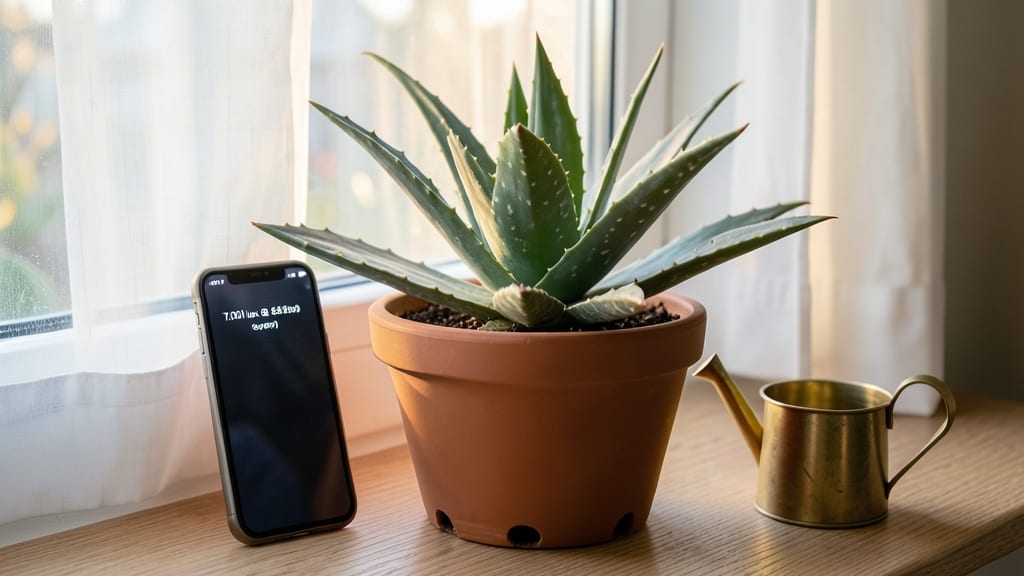
How much light does an aloe plant need to thrive? If your 🌵 is looking sad or leggy, the answer might surprise you—it’s not just about sunshine, but the right kind. Too little light and your aloe stretches weakly toward the window; too much, and those pretty leaves turn crispy brown. The secret lies in balancing intensity and duration, whether you’re growing indoors or outdoors.
Most aloe plants crave 6+ hours of bright, indirect light daily, but they can handle direct sun in short bursts—think morning sunlight or filtered afternoon rays. In USDA Zone 6a, spring planting means giving your aloe a head start with gradual exposure to avoid shock.
The key? Mimic their natural desert habitat: lots of light, but with breaks to prevent scorching.
Don’t worry if your space lacks natural light—artificial grow lights can save the day. Even a south-facing window can work, but watch for signs like pale leaves (underlighting) or sunburned patches (overlighting).
With the right setup, your aloe will reward you with thick, vibrant leaves year-round, no matter where you live.
Ready to turn your aloe into a lush, healthy powerhouse? Let’s break down exactly how to tweak light levels for optimal growth, from diagnosing problems to choosing the best spot—indoors or out. Your plant’s future depends on getting this one thing right.

Ideal sunlight requirements for aloe vera growth and health
Aloe vera thrives under bright, direct sunlight but adapts well to partial shade when necessary. As a succulent, it’s evolved to handle intense light, but finding the right balance is key.
In their natural desert habitats, aloe plants receive 6-8 hours of sunlight daily, making this the ideal target for home growers.
For optimal growth, place your aloe in a spot with at least 6 hours of sunlight. A south-facing window is perfect for indoor plants, while outdoor aloes should bask in full sun exposure.
During summer, afternoon shade (especially in hot climates) prevents leaf burn, a common issue for beginners.
🌵
Light intensity affects more than just leaf color—it influences photosynthesis efficiency and root development. Aloe plants in low-light conditions (less than 4 hours of sun) will stretch toward light, producing long, weak stems and pale leaves. This "etiolation" is a red flag for insufficient light.
Conversely, excessive direct sunlight (especially in peak summer) causes leaf scorch, visible as crispy, brown edges. To mitigate this, I recommend moving potted aloes to dappled shade during midday heat. Outdoor aloes planted in ground beds benefit from mulching to regulate soil temperature.
Seasonal adjustments are crucial. In spring and fall, aloes can handle full sun exposure from morning to early evening. During summer months, I reduce direct sun to 4-6 hours daily, protecting leaves from UV damage.
Winter brings shorter days, so supplement with a grow light if natural light drops below 4 hours.
Pro tip: Observe your aloe’s leaf orientation. Healthy leaves grow upright with a slight angle toward the light. If leaves flatten against the pot or stretch upward, it’s time to adjust placement. For indoor plants, rotate the pot quarter-turns weekly to ensure even light distribution.
🌿
Understanding your aloe’s light requirements isn’t just about hours—it’s about light quality. Aloe vera prefers bright, natural light over artificial sources. If you’re using grow lights, opt for full-spectrum LEDs that mimic sunlight.
Place lights 6-12 inches above the plant and provide 12-14 hours of light daily to compensate for indoor deficiencies.
For outdoor growers, microclimate matters. Aloe plants near reflective surfaces (like white walls or water features) may receive indirect but intense light.
Test your spot by placing a white piece of paper near the plant—if it gets too hot to touch after a few hours, the light is too harsh.
Signs your aloe plant is getting too much or too little light
Aloe plants are tough, but even they can’t handle light extremes. If your 🌵 aloe vera starts showing yellow leaves or brown patches, it’s likely a light-related issue. These subtle clues reveal whether your plant is starving for sun or burning under too much heat.
Let’s decode the warning signs so you can adjust care before it’s too late.
Watch for stretched, leggy growth—a classic sign of underlighting. When aloes don’t get enough light, they stretch toward the nearest source, creating weak stems and sparse foliage. This “etiolation” happens when placed too far from windows or under artificial lights that aren’t bright enough.
On the flip side, crispy, white-tipped leaves mean your aloe is overheating from direct midday sun, especially in USDA Zone 6a summers.
⚠️ Light Stress Red Flags
- Pale, thin leaves → Needs more light
- Brown, crispy edges → Too much direct sun
- Leaning toward light → Underlighting
- Reddish-purple tint → Intense afternoon sun
Pro Tip: Rotate your pot weekly to ensure even growth and prevent lopsided exposure.
For indoor aloes, south-facing windows are ideal, but even there, afternoon sun can be harsh. If your plant’s leaves develop red or purple hues, it’s a sign of sunburn stress. Move it a few feet back or use a sheer curtain to diffuse the light.
Conversely, if your aloe’s leaves turn yellow and mushy, it might be root rot from overwatering and poor light—too little energy for the plant to process excess moisture.
Seasonal changes also affect light needs. In spring and summer, aloes thrive outdoors with 6+ hours of direct sun, but in fall and winter, indoor light weakens. If your aloe’s growth slows dramatically, supplement with a grow light (more on this in the next section!).
The key is mimicking their natural desert habitat: bright light with breaks to prevent heat stress.
Don’t ignore leaf texture either. Healthy aloe leaves should feel thick and firm. If they’re soft or translucent, your plant isn’t getting enough light to photosynthesize properly.
On the other hand, wrinkled or puckered leaves often mean the plant is thirsty and light-deprived. Adjust both watering and light exposure to restore balance.
Here’s a quick fix: If your aloe is underlit, move it closer to a window or add a reflective surface (like a mirror) to bounce light. For overlighting, provide afternoon shade or switch to a north-facing window.
With these tweaks, your aloe will bounce back in 2-4 weeks, regaining its vibrant, healthy glow.