
Plants
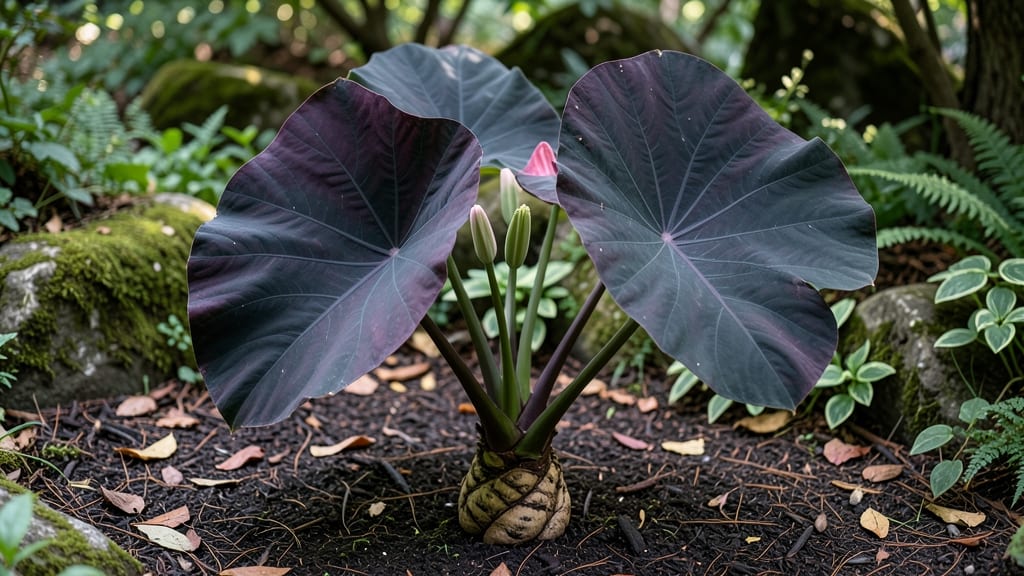
If your Elephant Ear 🌿 plant’s leaves are looking dull or crispy at the edges, you’re probably guessing wrong about how much light it truly needs. The truth?
These dramatic foliage stars thrive in a sweet spot between partial shade and bright indirect sunlight—too much direct sun burns them, while too little stunts their growth.
I’ve watched my own Elephant Ear plants transform when placed just right—juicy, vibrant leaves instead of wilted or sun-scorched ones. The key lies in understanding their light preferences, which shift slightly depending on whether they’re indoors or outdoors.
Let’s break down exactly how to give your plant the perfect lighting conditions for lush, healthy growth all season long.
Most gardeners assume these tropical-looking plants need full sun, but that’s a common mistake. In reality, 3 to 6 hours of morning sunlight with afternoon shade is ideal for most varieties. For indoor plants, an east-facing window or a spot near a sheer curtain can mimic this balance perfectly.
Ready to fix those brown spots or faded leaves? I’ll show you how to adjust light exposure based on your plant’s current condition—and keep those stunning foliage colors popping year-round.

Elephant Ear plant light requirements: the ideal sunlight balance for vibrant foliage
Elephant ear plants (Colocasia and Alocasia spp.) thrive in bright indirect light with 3-6 hours of morning sun—the key to preventing scorched leaves or leggy growth. Unlike sun-loving succulents, these tropical beauties need protection from harsh afternoon rays, which can bleach their stunning foliage.
The ideal spot mimics their native understory habitat: dappled sunlight filtered through trees.
Most gardeners mistakenly assume "partial shade" means deep shade, but elephant ears crave light intensity—just not direct sun. Think of it as morning sun + afternoon shade (e.g., east-facing windows or patio spots with afternoon tree cover).
Without enough light, their leaves lose vibrancy, turning pale or developing weak stems that flop over.
🌿 Visual Clue: Healthy leaves should be deep green with bold veins, while underlit plants look washed out. Overlit plants develop crispy brown edges or yellow patches—your plant’s way of screaming for shade adjustments!
| Variety | Light Needs | Signs of Stress | Best Placement |
|---|---|---|---|
| Colocasia (e.g., 'Black Stem', 'Pink Frost') | 4-6 hrs bright indirect light | Pale leaves, weak stems | East window or dappled shade |
| Alocasia (e.g., 'Polly', 'Zebrina') | 3-5 hrs filtered light | Brown leaf tips, crispiness | North window or sheer curtain |
| Both varieties (outdoor) | Morning sun + afternoon shade | Sunburn (yellow/brown patches) | Under tall trees or trellis |
Adjust for indoor vs. outdoor microclimates—indoor plants need less light than outdoor ones!
Seasonal light shifts complicate things. In summer, when sunlight is intense, move potted plants to shadier spots or use 30% shade cloth to mimic natural filtering. Conversely, winter’s weaker light may require supplementing with a grow light (12 hours/day) to prevent leggy growth.
Pro tip: Rotate pots weekly so all sides get even light exposure.
Indoor gardeners often struggle because most homes lack bright indirect light. If your elephant ear is near a south-facing window, use a sheer white curtain to diffuse harsh rays.
For north-facing windows, consider a reflective surface (like a mirror) to bounce extra light onto the plant. Even a rotating schedule—moving the pot ¼ turn daily—helps prevent lopsided growth.
Outdoor plantings benefit from mulching to regulate soil temperature, which indirectly affects light absorption. A 3-inch layer of organic mulch (like shredded bark) keeps roots cool and retains moisture, helping the plant handle light stress better.
Pair this with regular watering (deep soaks 2-3 times weekly) to keep foliage plump and resilient.
Watch for leaf color changes as your plant’s light meter. Dark green with purple undersides = perfect light. Yellowing leaves = too much sun or overwatering. Pale, stretched leaves = not enough light.
Adjust gradually—sudden light changes shock these tropical plants. If moving outdoors, acclimate over 1-2 weeks by increasing sun exposure incrementally.
For container growers, pot size matters. Smaller pots dry out faster and stress plants under bright light. Opt for at least 12-inch pots with drainage holes to stabilize moisture levels.
Terracotta pots help regulate temperature swings, while self-watering containers reduce your workload. Just ensure the pot material doesn’t overheat in direct sun!
🌱 Key Takeaway: Elephant ears need more light than you think, but never direct midday sun. Think "sun dapples" like a forest floor—not a desert. Test your spot for a week first: if leaves look happy after 7 days, it’s likely the perfect balance!
How to adjust light for different Elephant Ear plant growth stages
Elephant Ear plants don’t have the same light needs at every stage of growth. Seedlings and young plants need gentler light to prevent stress, while mature plants can handle slightly more brightness. The key is gradual adjustments—too much light too soon can cause sunburn, while too little slows growth.
When your Elephant Ear 🌿 is still small (under 12 inches tall), place it in bright indirect light for just 2-3 hours a day. This helps them develop sturdy stems without risking leaf damage.
I’ve seen seedlings in my garden struggle when moved too quickly into full sun—watch for pale or yellowing leaves as a warning sign.
As your plant matures, gradually increase sunlight exposure by 1 hour per week until reaching the ideal 4-6 hours of morning sun. Mature plants (over 2 feet tall) can handle up to 6 hours of filtered sunlight, especially in cooler climates.
The trick is avoiding the harsh afternoon rays that scorch leaves.
In winter, when natural light dims, your Elephant Ear may need supplemental light to maintain health. I use a simple LED grow light for 4-6 hours daily to prevent leggy growth. Even in dormancy, these plants appreciate consistent light exposure to keep their foliage vibrant.
For indoor plants, rotate them quarter-turns weekly to ensure even light exposure. This prevents one side from stretching toward the window while the other stays weak. I’ve found that placing my indoor Elephant Ear near a north-facing window with sheer curtains mimics perfect outdoor conditions.
If you notice yellowing leaves in spring, it’s often a sign of too much light after winter dormancy. Gradually reintroduce sunlight over 2-3 weeks to avoid shocking the plant. The goal is to match the seasonal light intensity—more in summer, less in winter—to keep your Elephant Ear thriving year-round.