
Plants
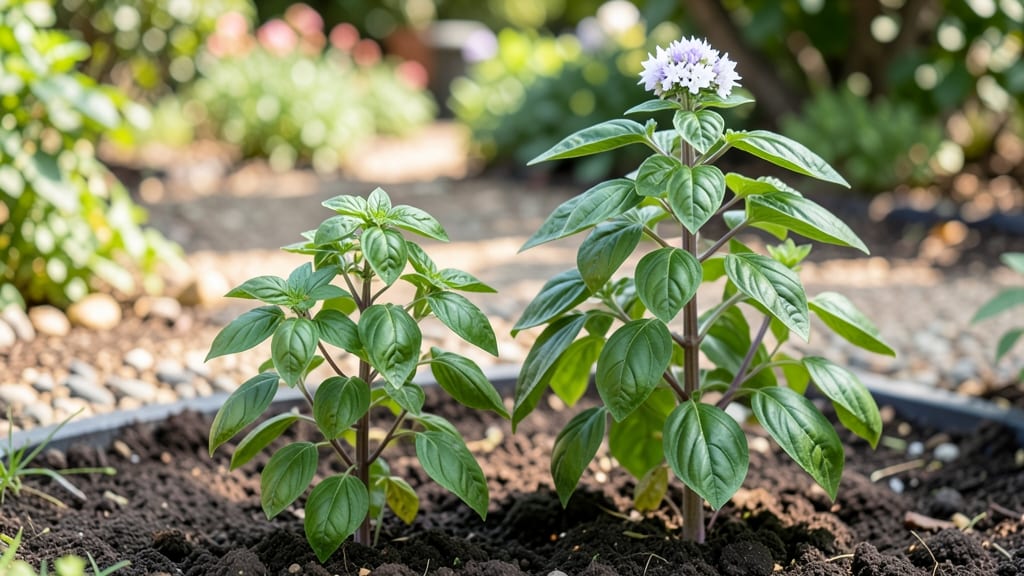
Ever stared at your basil plant wondering how tall a basil plant can grow? The truth is, basil’s height potential is far more impressive than most gardeners realize—with the right care, your 🌿 can reach heights that’ll make your kitchen garden the talk of the neighborhood.
Genovese basil, for example, can stretch up to 2 feet tall when given proper sunlight and support, while Thai basil often stays more compact. But here’s the secret: pruning isn’t just about keeping it short—it’s the key to unlocking that vertical growth.
Whether you’re growing indoors or outdoors in Zone 6a, I’ll show you exactly how to coax your basil into reaching its full potential.
If you’ve been struggling with leggy, weak stems or wondering why your basil never seems to grow beyond 6 inches, you’re not alone. The difference between a stunted herb and a towering, productive plant often comes down to simple techniques most gardeners overlook. Let’s fix that together.
From planting in April-May to harvesting through September, I’ll walk you through the exact steps to maximize your basil’s height—without sacrificing those flavorful leaves. Ready to transform your herb game? Let’s get started.

Natural basil height limits: what determines a plant’s maximum growth?
Basil plants typically reach heights between 12 to 24 inches under ideal conditions, but their growth potential varies dramatically based on genetics and care.
The Genovese basil, a popular variety, often maxes out around 18-24 inches when grown outdoors, while Thai basil tends to stay slightly shorter at 12-18 inches. Purple basil, with its unique coloration, usually tops out around 18 inches without support.
Genetics play the biggest role in determining height—some dwarf varieties like Spicy Globe basil rarely exceed 6-12 inches, making them perfect for windowsill gardens. However, even standard varieties can grow taller if given the right conditions, sometimes reaching 3 feet with proper support and care.
The key is understanding how to unlock that potential.
Sunlight is non-negotiable for height. Basil thrives in 6+ hours of direct sun daily, which fuels rapid vertical growth. Without enough light, plants become leggy and weak, struggling to reach their genetic height limits.
In low-light conditions, expect basil to max out at just 6-12 inches, even with ideal soil and water.
Soil quality directly impacts height potential. Well-draining, nutrient-rich soil with a pH of 6.0-7.0 encourages robust root systems, which in turn support taller growth. Amend heavy clay soil with compost to prevent stunted growth.
Poor soil can reduce a basil plant’s height by 30-50%, leaving you with a shadow of its potential.
| Variety | Typical Height Range | Growth Habit | Max Height with Support |
|---|---|---|---|
| Genovese Basil | 18-24 inches | Bushy, upright | Up to 3 feet |
| Thai Basil | 12-18 inches | Compact, slightly sprawling | 2 feet |
| Purple Basil | 12-18 inches | Medium bushiness | 24 inches |
| Spicy Globe Basil | 6-12 inches | Dwarf, rounded | 12 inches |
| Sweet Basil (Standard) | 18-24 inches | Tall, upright | 3 feet |
Seasonal variations also affect height. Basil planted in spring often grows taller by summer’s end due to longer daylight hours and warmer temperatures. In container gardens, root-bound plants may grow taller but produce fewer leaves, as their energy focuses on vertical growth rather than foliage.
To maximize height, repot basil every 2-3 months to prevent this stunting effect.
Temperature extremes can limit height too. Basil thrives in 70-85°F ranges but struggles when temperatures drop below 50°F or exceed 90°F. Cold snaps cause growth to stall, while heat stress can lead to bolting—where the plant focuses energy on flowering instead of leaf production.
Both conditions cap height potential and reduce harvestable foliage.
Pruning habits significantly influence height. Regular pinching back the top leaves encourages bushier growth, which can actually reduce overall height by promoting lateral branching. If your goal is taller basil, avoid heavy pruning and instead focus on supporting the main stem to guide vertical growth.
The right balance between pruning and support can help basil reach its maximum genetic height.
Indoor vs. outdoor growth also plays a role. Outdoor basil typically grows 20-30% taller than indoor plants due to better light exposure and space. If growing indoors near a south-facing window, supplement with a grow light for 12-14 hours daily to mimic outdoor conditions.
Without extra light, indoor basil rarely exceeds 12 inches in height.
Finally, watering practices matter. Overwatering or underwatering can stunt growth. Basil needs consistently moist soil but hates soggy roots. Aim for 1 inch of water per week, adjusting for rainfall or container size.
Too much water leads to root rot, while too little causes wilting and stunted growth—both of which limit height potential.
Pruning secrets to maximize basil plant height and productivity
Did you know your basil plant can grow 30% taller with just a few simple pruning techniques? Most gardeners make the mistake of pinching too late or too aggressively, which actually stunts growth.
The key is timing and method—think of pruning as a way to encourage vertical expansion rather than just keeping your plant small.
Start by pinching off the top set of leaves when your basil reaches about 6 inches tall. This might seem counterintuitive, but it triggers the plant to grow two new side shoots instead of just one main stem.
These side shoots will eventually become your plant’s vertical framework, allowing it to reach its full 18-24 inch potential.
Here’s the visual guide to when and how to prune for maximum height:
Avoid the common mistake of over-pruning or cutting into the woody stems—this will shock your plant and limit its height. Instead, focus on strategic cuts that encourage new growth from the lower stem nodes.
This is where your basil’s vertical potential truly unlocks, especially for varieties like Genovese basil that naturally grow taller.
For indoor basil plants, pruning every 4-6 weeks keeps them compact yet productive, while outdoor plants in full sun can handle more aggressive pruning every 3-4 weeks. The key is consistency—think of pruning as a growth conversation with your plant, guiding it to reach its maximum height potential.
Pro tip: If your basil starts to flop over or develop long, leggy stems, it’s a sign you’re not pruning enough. This is your plant’s way of telling you it wants to grow taller—give it the guidance it needs with regular pinching and harvesting.