
Plants
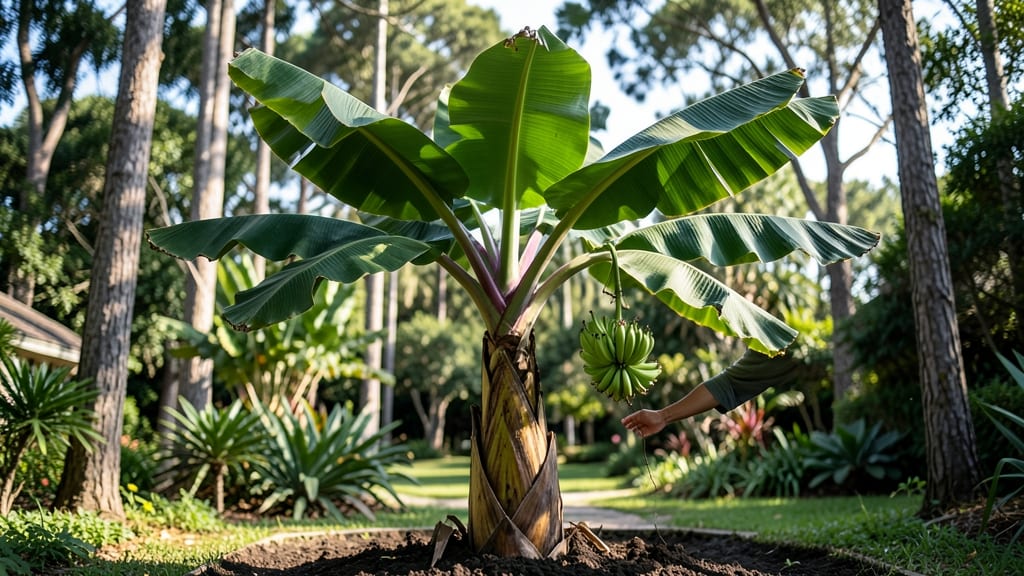
If you’ve ever wondered how tall does a banana plant grow, the answer might surprise you—these tropical giants can stretch from compact container-friendly sizes to towering 25-foot trees!
Whether you’re dreaming of a backyard harvest or a windowsill harvest, the variety you choose and where you grow it makes all the difference. 🍌
Most banana plants fall into three height categories: dwarf varieties (like the Dwarf Cavendish) stay between 6-10 feet, perfect for patios or small gardens, while standard types (such as Gros Michel) can reach 18-25 feet—think skyscrapers for your yard.
Even semi-dwarf types (like Lady Finger) hit 12-15 feet, striking a balance between manageable size and productivity.
But here’s the twist: climate and care play a huge role. In General (Tropical/Subtropical) zones (like 10-12), banana plants thrive and reach their full potential, while colder climates may require greenhouse or container growing to control height.
With the right conditions, even a 3-foot pot can yield fruit—just expect a shorter stature.
Ready to grow your own? I’ll break down how to pick the right variety, manage height in small spaces, and maximize fruit production—no matter your backyard’s size. Let’s get started!

Banana plant height by variety: from dwarf to giant sizes
Banana plants (Musa spp.) come in a stunning range of heights, from compact dwarf varieties that fit neatly in containers to towering giants that rival small trees.
The height you can expect depends entirely on the specific variety you choose, with some reaching over 25 feet tall while others stay under 6 feet. Understanding these differences will help you pick the perfect banana plant for your space—whether that’s a backyard corner or a patio pot.
Most banana plants grow as herbaceous perennials, meaning their "trunks" (actually pseudostems made of tightly wrapped leaves) grow taller each year until they flower and fruit. After producing bananas, the plant dies back, but new shoots emerge from the roots, continuing the cycle.
This growth pattern means height isn’t fixed—it’s a yearly progression influenced by care and conditions.
Here’s how banana varieties break down by height, from the smallest to the tallest:
| Variety | Height Range | Best For | Notes |
|---|---|---|---|
| Dwarf Cavendish | 3–6 ft | Containers, patios, small yards | Most popular dwarf; produces sweet, small bananas. |
| Red Dwarf | 4–7 ft | Urban gardens, balconies | Red fruit; cold-hardier than other dwarfs. |
| Lady Finger (Plantain) | 6–10 ft | Small gardens, tropical landscapes | Long, slender fruit; great for cooking. |
| Ice Cream Banana | 8–12 ft | Backyards, tropical climates | Creamy, sweet flesh; cold-sensitive. |
| Gros Michel | 18–25 ft | Large properties, tropical regions | Classic banana flavor; needs space. |
| Bluggoe | 20–30+ ft | Rural areas, large estates | Giant fruit; requires strong support. |
If you’re growing bananas in containers, stick to dwarf varieties like Dwarf Cavendish or Red Dwarf. These thrive in 15–25 gallon pots and can even be moved indoors during winter in colder climates.
For outdoor gardens, medium varieties like Lady Finger or Ice Cream Banana strike a balance between manageable height and productive fruit yields.
For those with ample space, taller varieties like Gros Michel or Bluggoe offer a dramatic tropical statement. Just be prepared for their massive size—these plants can cast significant shade and require sturdy support as they grow.
In tropical climates, they’ll grow aggressively, while in subtropical zones, their growth may be slightly slower but still impressive.
Pro tip: Banana plant height isn’t just about the variety—it’s also influenced by how you care for the plant. Pruning, fertilizing, and watering habits can all affect how tall (or short) your banana plant becomes.
For example, over-fertilizing with nitrogen encourages leafy growth at the expense of height, while balanced NPK ratios promote even, steady growth.
If you’re new to growing bananas, start with a dwarf variety to get a feel for the plant’s needs before committing to a towering giant.
You’ll quickly learn how sunlight, water, and soil quality interact to shape your banana plant’s height—and whether it’s destined to be a backyard giant or a patio-friendly shrub.
🌱
What determines banana plant height: key growth factors
Banana plant height isn’t just about the variety—it’s a mix of climate, sunlight, and soil conditions working together. In USDA Zones 10-12, where frost is rare, banana plants thrive and can reach their full 20-25 foot potential.
But in cooler zones, like Zone 9, they’ll grow slower and may stay under 10 feet unless you use containers for mobility. Even a single degree of warmth can add 1-2 feet to their mature height!
Sunlight is another game-changer. Banana plants crave 6-8+ hours of direct sun daily to fuel their rapid growth. In shadier spots, they’ll stretch taller (a phenomenon called etiolation) but produce fewer fruits.
I’ve seen Lady Finger varieties grow 30% taller when moved from partial shade to full sun—just watch their leaves lean toward the light! Partial shade in extreme heat (like 100°F+ afternoons) can actually help control height while keeping the plant healthy.
| Factor | Impact on Height | Actionable Tip |
|---|---|---|
| Climate Zone | Tropical (10-12): 20-25 ft; Temperate (9): 10-15 ft | Use containers in cooler zones for mobility |
| Sunlight | Full sun: optimal growth; Partial shade: taller but weaker | Rotate pots weekly for even sun exposure |
| Soil Quality | Rich, well-draining: faster growth; Poor soil: stunted height | Amend with compost and perlite |
| Watering | Consistent moisture: taller growth; Drought: slower growth | Water deeply 2-3x/week in summer |
| Pruning | Regular pruning: controls height; No pruning: wild growth | Trim dead leaves to redirect energy |
Soil quality is the foundation—banana plants thrive in well-draining, nutrient-rich soil with a pH of 5.5-7.0. Sandy loam or amended garden soil helps them grow 2-3 feet taller per year compared to clay-heavy soils.
I always mix in compost and perlite to improve drainage, which prevents root rot and encourages stronger stems. Even in containers, a 15-gallon pot with fresh potting mix can support a Dwarf Cavendish reaching 8-10 feet—just don’t skimp on drainage!
Watering plays a sneaky role too. While banana plants love moisture, overwatering can stunt growth by suffocating roots, while underwatering slows it down. Aim for 1-2 gallons per plant every 2-3 days in summer, but let the top 2 inches of soil dry between waterings.
I’ve noticed that plants in containers dry out faster, so I check soil moisture daily in pots and every 3 days in-ground. Mulching with straw helps retain moisture and keeps roots cool, which can add 1-2 extra feet of growth in hot climates.
Finally, pruning isn’t just for aesthetics—it’s a tool to control height and boost fruit production. Removing dead or yellowing leaves redirects energy to new growth, while trimming the top bud can stunt height by 30-50% in dwarf varieties. Just avoid heavy pruning during flowering, as this can reduce your harvest.
I prune my Lady Finger plants in early spring to keep them under 12 feet, and it’s made a huge difference in managing their size without sacrificing fruit!
So, whether you’re dealing with a 25-foot giant or a 6-foot dwarf, tweaking these factors can help you steer your banana plant’s growth in the right direction—no matter how much space you’ve got. 🌱