
Plants
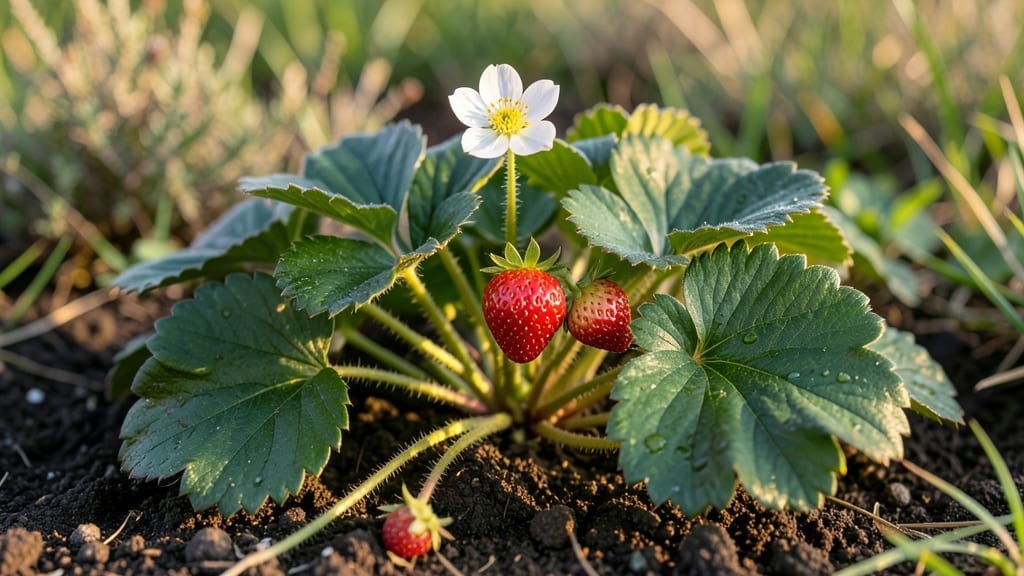
If you're dreaming of a lush strawberry patch but wondering "how tall does a strawberry plant grow", the answer might surprise you—these sweet little plants stay surprisingly compact!
Most varieties top out between just 6 to 12 inches, making them perfect for containers, window boxes, or even vertical gardens.
But here's the twist: some everbearing varieties can stretch taller with runners, while dwarf types stay closer to 4-8 inches. Knowing these height differences is the key to planning your garden layout—whether you're tucking them into a small balcony planter or spacing them out in raised beds.
I'll break down exactly how height varies by variety, plus practical tips to control growth and maximize your harvest. Whether you're a beginner or a seasoned gardener, this guide will help you create the perfect home for your strawberries—no guesswork required!
Ready to transform your space with these versatile plants? Let's dive into the details so you can plant with confidence and enjoy bountiful harvests all season long.

Strawberry plant height by variety: juniper vs June-bearing vs everbearing
Strawberry plants are famously compact, but their mature height can vary dramatically depending on the variety. Whether you're choosing June-bearing for a single summer harvest or everbearing for year-round fruit, understanding these differences helps you plan your garden layout and support structures.
Most strawberries stay between 6 and 12 inches tall, but some varieties—like the Alpine strawberries—stay as short as 4 inches, while others can reach 18 inches with runners.
If you're working with limited space, dwarf varieties are ideal for containers or vertical gardening. But if you're growing in traditional garden beds, taller varieties may need staking or trellising to keep the fruit off the ground and improve air circulation.
Let’s break down the height differences by the most popular strawberry types to help you choose the perfect fit for your garden.
📊 Height Comparison Table
| Variety | Mature Height (inches) | Runner Length (inches) | Best For |
|---|---|---|---|
| June-bearing (e.g., Jewel, Chandler) | 12-18 inches | 12-24 inches | Large harvests, traditional gardens |
| Everbearing (e.g., Seascape, Ozark Beauty) | 8-12 inches | 8-16 inches | Containers, small spaces, extended harvests |
| Day-neutral (e.g., Tristar, Fort Laramie) | 6-12 inches | 6-12 inches | Vertical gardens, trellises, warm climates |
| Alpine (e.g., Mignonette, Mara des Bois) | 4-8 inches | Minimal runners | Rock gardens, fairy gardens, small pots |
June-bearing strawberries are the tallest, often reaching 18 inches when runners are included, making them ideal for traditional garden beds. Their thick foliage and long runners can spread widely, so give them plenty of space—at least 18 inches apart—unless you plan to prune aggressively.
These varieties thrive in cooler climates and produce a single massive harvest in late spring or early summer.
Everbearing varieties, like Seascape, strike a balance with heights around 8-12 inches. They’re perfect for containers or small gardens because they produce fruit in two flushes: early summer and fall.
Their shorter stature makes them easier to manage, but they still benefit from light trellising to keep berries clean and reduce rot.
Day-neutral strawberries, such as Tristar, are the most adaptable, growing 6-12 inches tall and producing fruit continuously throughout the growing season. They’re a gardener’s dream for vertical gardening or hanging baskets because their compact size and sprawling habit work beautifully with support structures.
These varieties are also drought-tolerant, making them a low-maintenance choice.
Alpine strawberries are the shortest of all, typically staying under 8 inches tall. Their tiny size and delicate fragrant flowers make them a favorite for ornamental gardens or fairy garden designs.
While they produce smaller berries, their intense flavor and prolonged harvest more than make up for it. These are ideal if you’re working with limited vertical space or want to add a whimsical touch to your garden.
No matter which variety you choose, remember that height isn’t the only factor—spreading habit and fruit production also play a role in where you plant them. For example, June-bearing varieties may need more horizontal space for runners, while Alpine strawberries can thrive in tight clusters.
Always check the specific variety’s spacing recommendations to avoid overcrowding, which can lead to poor air circulation and disease.
If you’re unsure which variety to pick, start with everbearing or day-neutral types—they offer the best balance of height, yield, and adaptability for most home gardens.
And if you’re experimenting with vertical gardening, day-neutral varieties like Tristar are a fantastic choice for training along a trellis or in a hanging basket.
🌱
Strawberry growth stages and height progression: from seed to fruit
Strawberry plants don’t grow to their mature height overnight—their journey from seed to fruiting involves distinct stages where height shifts dramatically. Understanding these stages helps you anticipate space needs and adjust care routines for healthy growth.
At the seedling stage (first 4-6 weeks), strawberries stay compact, typically reaching just 2-4 inches tall. This is when their roots establish, and you’ll notice tiny trifoliate leaves unfurling. Overcrowding now can stunt future growth, so thin seedlings to 4-6 inches apart.
During the runner production phase (weeks 6-8), plants focus energy on spreading horizontally rather than vertically. Runners can stretch 6-12 inches long, but the mother plant’s height remains under 6 inches. This stage is critical for perennial varieties that rely on runners for propagation.
Height: 2-4 inches | Focus: Root development, first true leaves
Height: 4-8 inches | Focus: Leaf growth, runner formation
Height: 6-12 inches | Focus: Bloom spikes, fruit set
Height: 6-18 inches | Focus: Berry development, plant maturity
When flowering begins (weeks 8-12), strawberry plants shoot up noticeably, often reaching 8-12 inches tall. The flower stalks (peduncles) can add another 4-6 inches of vertical growth. Here’s where support structures like straw mulch or small cages become useful—especially for June-bearing varieties with heavy fruit loads.
At full maturity, most strawberries top out at 6-12 inches, but everbearing varieties may grow slightly taller (12-18 inches) due to repeated flowering.
The key to controlling height lies in pruning: Remove excess runners in early spring to redirect energy to fruit production, keeping plants compact and manageable.
For container gardening, dwarf varieties like ‘Alpine’ stay under 6 inches, making them ideal for hanging baskets or windowsill grows. Meanwhile, standard varieties in ground beds may spread wider than they grow tall—so plan for 18-inch spacing between plants to prevent competition.
Monitoring height progression helps you time pruning and harvesting effectively. For example, pinching back flower stalks in the first year encourages bushier growth for next season’s yield. With the right care, your strawberries will hit their ideal height while delivering a bountiful harvest.