
How To
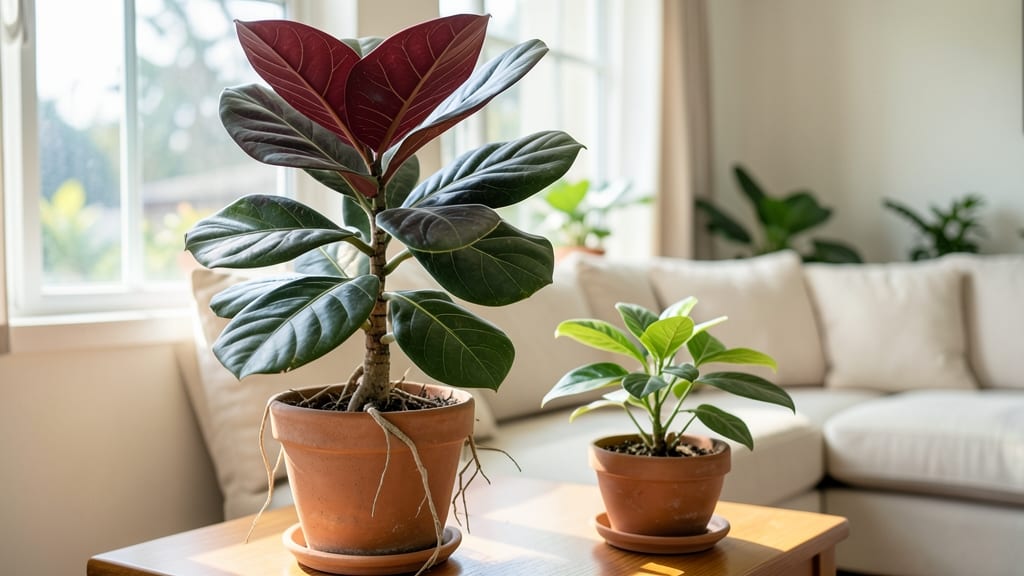
If you’ve ever wondered how tall does a rubber plant grow before deciding it’s time to prune or move it, you’re not alone. This glossy-leaved beauty can reach surprising heights—sometimes even outpacing your ceiling—if left unchecked.
The good news? With the right care, you can guide its growth to fit your space perfectly, whether you want a towering statement plant or a compact desk companion.
Most rubber plants (Ficus elastica) mature between 6 and 10 feet indoors, but their final height depends on factors like light exposure, pruning habits, and even the specific variety. For example, the classic ‘Robusta’ variety tends to grow taller, while dwarf types like ‘Tineke’ stay shorter and bushier.
Understanding these differences is key to managing your plant’s size without sacrificing its health.
What many don’t realize is that rubber plants grow faster in bright, indirect light—think east or west-facing windows—and can add 1-2 feet per year under ideal conditions.
But don’t worry if your plant is already stretching toward the sky; pruning isn’t just for height control—it also encourages fuller growth and can even help you propagate new plants. Let’s break down how to keep your rubber plant thriving at the perfect height for your home.
From choosing the right pot to adjusting care routines, small tweaks can make a big difference in your plant’s growth pattern. Whether you’re dealing with a leggy rubber plant or a slow-growing specimen, these tips will help you shape its future—literally.
Ready to take control of your plant’s height? Let’s dive in.

Natural height range of rubber plants: how big can they grow indoors?
Your rubber plant (Ficus elastica) can reach stunning heights indoors, but its growth depends on variety, care, and environment. On average, mature rubber plants grow 6 to 10 feet tall when given ideal conditions.
However, many indoor plants stay between 3 and 6 feet due to limited space and controlled light. Understanding these ranges helps you plan for your plant’s future growth and manage its size effectively.
The first year is critical—your rubber plant will likely grow 1 to 2 feet tall, establishing a strong foundation. By year two, expect 3 to 5 feet of growth if you provide bright, indirect light and proper care.
Without pruning, some varieties can even exceed 10 feet in ideal conditions, making them a dramatic indoor statement piece.
🌿
Outdoor rubber plants grow faster and taller than indoor plants, often reaching 10 to 15 feet in tropical climates. Indoors, growth slows due to limited light and space, but you can still encourage healthy expansion with the right techniques.
For example, placing your plant near an east or west-facing window provides optimal bright indirect light, which fuels growth without risking leaf burn.
Light levels directly impact height—low-light conditions slow growth to just 3 to 4 feet over several years, while high-light environments can push a rubber plant toward 8 to 10 feet in 3–4 years.
If you notice your plant growing too leggy, it’s likely stretching toward light. Rotate the pot quarter-turns every few weeks to ensure even growth and a bushier shape.
Another key factor is pruning frequency. Regular pruning not only controls height but also encourages fuller, bushier growth. Many gardeners prune their rubber plants once or twice a year to maintain a manageable size.
For instance, if your plant reaches 6 feet and you want to keep it shorter, prune the top 1–2 feet in early spring. The cuttings can even be propagated to grow new plants!
🪴
Soil quality also plays a role in height. Rubber plants thrive in well-draining, slightly acidic soil (pH 6.0–6.5). Heavy or compacted soil can stunt growth, while a light, airy mix with perlite or orchid bark promotes faster, healthier development.
If you notice your plant’s growth slowing, it may be root-bound. Repotting into a container just 1–2 inches larger can give it the space it needs to grow taller.
Finally, temperature and humidity matter. Rubber plants prefer 65–80°F and higher humidity levels (above 40%). In dry indoor air, growth may slow, and leaves can develop brown tips. Use a humidifier or place the pot on a pebble tray to maintain ideal conditions.
With these factors in balance, your rubber plant will reach its full genetic height potential while staying healthy and vibrant.
💧
Natural height range of rubber plants: how big can they grow indoors?
Rubber plants (Ficus elastica) are known for their dramatic vertical growth, but their final height varies widely based on care and variety. On average, these tropical plants reach 6 to 10 feet indoors when mature, though some varieties stay shorter.
For example, the classic ‘Robusta’ variety can tower up to 10 feet with proper care, while dwarf types like ‘Tineke’ max out around 3 to 5 feet. Understanding these ranges helps you plan for your space and avoid surprises.
In their first year, rubber plants typically grow 1 to 2 feet, with accelerated growth in years two and three—adding 3 to 5 feet annually under ideal conditions. By year three, many reach their mature height, though growth continues slowly afterward.
The key to controlling height lies in light exposure, pruning, and pot size, all of which we’ll explore further.
Light plays a crucial role in height regulation. Rubber plants stretched toward light (a sign of etiolation) grow 2 to 3 times faster vertically but become leggy and weak. Placing your plant near an east or west-facing window provides bright, indirect light—perfect for balanced growth.
Without enough light, your plant may grow only 1 to 2 feet per year, staying compact but less vibrant.
Pot size also impacts height. Root-bound rubber plants grow taller as they compete for nutrients, while a slightly larger pot encourages bushier, slower growth.
If your plant’s roots are circling the pot, it’s time to repot into a container 1 to 2 inches wider to redirect energy toward foliage instead of height.
| Growth Stage | Height Range | Key Factors |
|---|---|---|
| Year 1 | 1–2 ft | Establishment, slow growth |
| Year 2 | 3–5 ft | Rapid vertical growth, needs pruning |
| Year 3+ | 5–10 ft | Mature height, prune to control size |
| Dwarf Varieties | 3–5 ft | Genetic trait, slower growth |
Outdoor rubber plants grow even taller—up to 30 feet in tropical climates—but indoor conditions limit their height. The trade-off? Indoor plants often develop thicker stems and glossier leaves due to controlled environments.
To encourage a stockier, more compact plant, prune the top stem when it reaches your desired height. This stimulates lateral branches, creating a fuller, bushier shape without sacrificing height.
If you’re concerned about your rubber plant outgrowing its space, don’t wait until it’s too late. Start monitoring its growth early and adjust care routines to keep it within your preferred height limits.
With the right balance of light, pruning, and pot size, you can enjoy a rubber plant that fits your home perfectly—whether you prefer a tall statement piece or a compact desk companion. 🌿