
How To
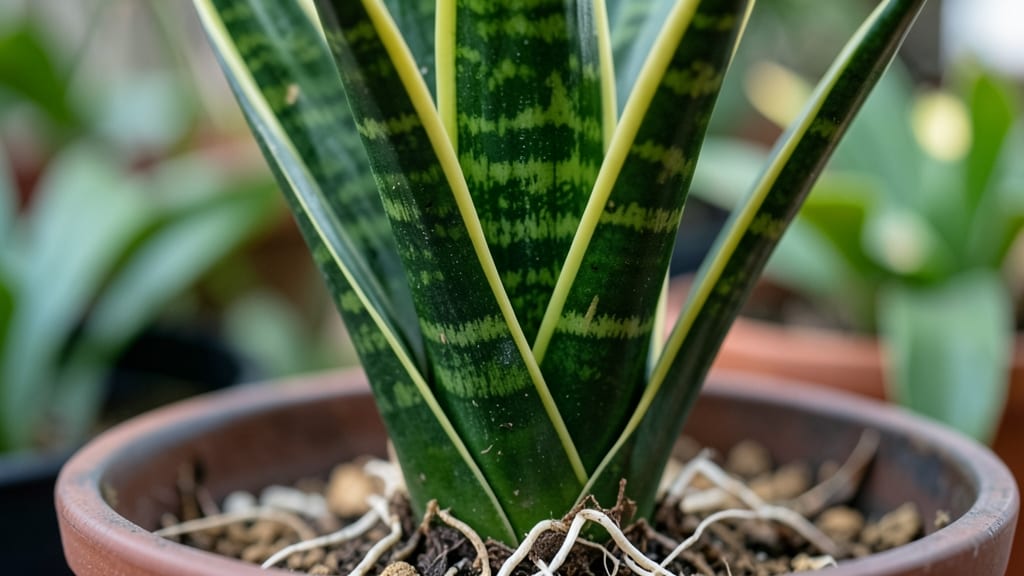
If you’ve ever glanced at your snake plant 🌱 and wondered how tall it will grow, the answer isn’t as simple as you might think.
Some varieties top out at just 1 foot, while others can reach a stunning 4 feet—and the difference often comes down to the specific type you’ve got and how you care for it.
Let’s cut through the confusion: not all snake plants grow the same way. The Dwarf varieties stay compact, perfect for small spaces, while Futura Superba can grow tall and dramatic.
But here’s the kicker—even within the same species, light exposure, pot size, and pruning habits can dramatically alter how tall your snake plant 🌱 becomes.
In this guide, I’ll break down the height ranges you can expect from popular varieties, share the care secrets that control growth, and even show you how to keep your plant from growing too tall if you prefer a smaller look.
Whether you’re working with limited space or dreaming of a floor-filling statement plant, you’ll leave here knowing exactly what to do.
Ready to stop guessing and start growing with confidence? Let’s dive into the surprising ways your snake plant’s height is within your control.

Snake plant height ranges by popular variety: what to expect
Snake plants (Sansevieria) come in stunning varieties, each with its own height potential. The dwarf varieties like 'Hahnii' stay under 2 feet, perfect for shelves, while standard types like 'Laurentii' can reach ceiling heights of 4 feet or more.
Even the same variety can vary by 1-2 feet depending on growing conditions, so don't be surprised if your plant defies expectations!
Most snake plants grow slowly but steadily, adding just 2-6 inches per year. This means a 3-year-old plant might still be under 3 feet tall, while a 10-year-old specimen could tower over your living room.
The key difference lies in their genetic growth patterns and how you care for them.
Here's where things get interesting: some varieties like 'Futura Superba' grow in dramatic clumping habits, creating dense clusters that push upward faster than single-stemmed types. Others, like 'Moonshine', focus more on leaf width than height, staying shorter but wider. Your plant's growth direction depends entirely on its DNA!
| Variety | Mature Height | Spread Width | Growth Time |
|---|---|---|---|
| 'Hahnii' (Bird's Nest) | 1-2 ft | 2-3 ft | 3-5 years |
| 'Laurentii' | 2-4 ft | 1-2 ft | 5-7 years |
| 'Futura Superba' | 3-5 ft | 2-3 ft | 7-10 years |
| 'Moonshine' | 2-3 ft | 2-4 ft | 4-6 years |
| 'Black Gold' | 3-4 ft | 1-2 ft | 6-8 years |
If you're comparing your snake plant to others, remember that height isn't everything. The 'Hahnii' variety might stay shorter, but its spreading habit creates a lush, cascading effect that makes it a star in hanging baskets.
Meanwhile, 'Futura Superba' grows upward in dramatic clumps of 10-15 leaves, creating a jungle-like appearance that's perfect for statement pieces.
One common misconception is that all snake plants grow equally tall. In reality, the dwarf varieties like 'Hahnii' will never reach the heights of 'Futura Superba', no matter how much you care for them.
This is why choosing the right variety for your space is crucial—especially if you're working with limited ceiling heights or tight corners.
For indoor gardeners, the container size plays a surprising role in height regulation. A snake plant in a small pot (under 6 inches) will focus its energy on leaf production rather than vertical growth, while a large container (12+ inches) gives it the freedom to reach its full height potential.
This is why many gardeners underpot their snake plants to control their size!
Light exposure also affects height dramatically. Snake plants grown in low-light conditions tend to stretch upward in search of light—a phenomenon called etiolation. This can make a normally 2-foot plant reach 3 feet or more!
Conversely, plants in bright indirect light grow more compact and sturdy, with thicker leaves that support their own weight better.
Pro tip: If you're growing a snake plant as a houseplant, place it near an east-facing window for balanced growth. This gives it enough light to thrive without encouraging excessive stretching.
And remember—patience is key. Even fast-growing varieties like 'Futura Superba' take years to reach their mature height, so enjoy the journey!
🌱
Factors that control snake plant height: light, pot size, and pruning tips
Your snake plant’s height isn’t just about genetics—light exposure, pot size, and pruning habits play huge roles in whether it stretches toward the ceiling or stays manageable.
For example, a Futura Superba in bright light can reach 4 feet tall, while the same plant in low light might max out at 2 feet. Understanding these factors lets you guide its growth intentionally.
Bright, indirect light (like an east-facing window) encourages upright, sturdy growth, while dim corners trigger etiolation—those leggy, weak stems reaching for light. If your snake plant is leaning or growing taller than expected, it’s likely light-starved.
Move it closer to a window or add a grow light for 6-8 hours daily to keep it compact and healthy.
Pot size directly impacts height too. Snake plants in root-bound containers grow slower vertically because their energy focuses on filling the space. If you want a shorter snake plant, keep it in a smaller pot (just 1-2 inches larger than its root ball). Over-potting with loose soil encourages rapid upward growth, which can lead to top-heavy, unstable plants.
Pruning is another tool to control height, but timing matters. If you cut back leggy growth in spring or early summer, your snake plant will focus on bushier, denser foliage. Avoid heavy pruning in winter, as the plant is dormant and won’t recover well.
For taller varieties like Black Gold, prune the top 1/3 of the leaf to encourage side shoots and a fuller shape.
⚠️ Warning: Over-pruning can stress your plant, making it more susceptible to pests like spider mites or fungal issues. Never remove more than 30% of the leaf at once, and always use sterilized scissors to prevent infections.
If you’re unsure, start with just 1-2 leaves and monitor the plant’s response for a few weeks.
To keep your snake plant at your desired height, combine these strategies: place it in bright, indirect light, use a snug pot, and prune strategically. With the right care, even tall-growing varieties can stay within bounds—without sacrificing their striking appearance. 🪴