
Watering
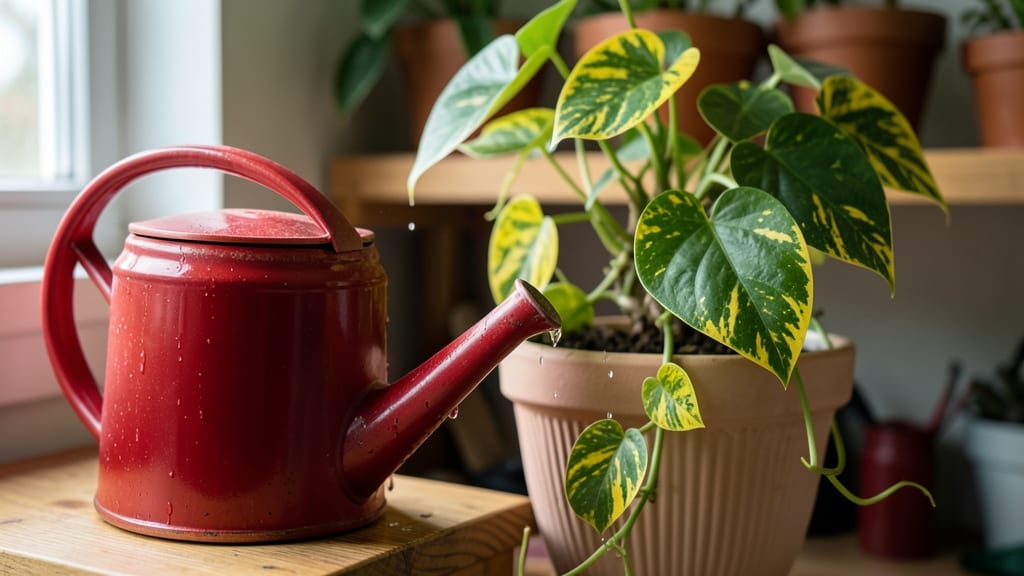
Struggling to figure out how much water your money plant 💴 really needs? You're not alone—this tropical favorite is forgiving, but even it can't survive soggy soil or complete neglect. The key lies in reading its subtle cues, not sticking to a rigid schedule.
Here's the truth: your money plant thrives when its soil dries out between waterings, typically every 7-10 days in spring and summer. But throw in winter's dry air or a tiny terracotta pot, and that timeline shifts dramatically.
The secret weapon? Your finger—stick it an inch deep into the soil before watering.
Overwatering shows up as yellow leaves or mushy stems, while underwatering reveals itself in crispy edges and slow growth. I'll walk you through exactly how to spot these signs and adjust your watering routine like a pro—no guesswork required.
Whether you're a first-time plant parent or just tired of your money plant looking stressed, these simple adjustments will have it lush and happy in no time. Let's get those roots thriving the right way.

How often to water a money plant based on soil dryness (not a calendar)
Money plants (Pachira aquatica) are famously forgiving, but their watering needs depend more on soil conditions than a rigid schedule. Unlike thirsty tropical plants, they prefer to dry out between waterings—this drought tolerance is why they thrive in busy households.
The key is checking the top 1-2 inches of soil before reaching for your watering can.
I’ve learned the hard way that calendar-based watering leads to soggy roots. Instead, use the finger test: stick your index finger into the soil. If it feels dry, it’s time to water.
For well-draining soil (the gold standard for money plants), this usually means watering every 7-10 days in spring/summer, but adjust based on your home’s humidity and pot size.
Here’s the science: Money plants store water in their thick stems, so they can handle brief dry spells. Overwatering—especially in terracotta pots—causes root rot faster than you’d think. The solution? A pot with drainage holes and a moisture meter if you’re forgetful.
Seasonal shifts matter too. In winter months, when growth slows, I water mine every 2-3 weeks. The rule of thumb: water less when leaves slow their growth.
Even in summer, a money plant in a large ceramic pot may need watering only every 10 days, while a small plastic pot might dry out in 5.
Pro tip: Group your money plants together. The air around them becomes more humid, reducing evaporation and extending the time between waterings. This mimics their native tropical forest environment where moisture lingers in the air.
🌱
| Factor | Spring/Summer | Fall/Winter |
|---|---|---|
| Soil Dryness Test | Top 1-2" dry | Top 2-3" dry |
| Watering Frequency | Every 7-10 days | Every 14-21 days |
| Pot Material | Terracotta: every 5-7 days | Ceramic: every 10-14 days |
| Humidity Adjustment | Low humidity? Water 2 days earlier | High humidity? Extend by 3-5 days |
| Growth Signs | New leaves = water when dry | Dormant = reduce by half |
Let’s talk pot size—this changes everything. A 6-inch pot may need watering weekly in summer, while a 12-inch pot can go 2 weeks. The larger the root ball, the more water it stores.
I repotted my money plant into a 10-inch ceramic pot last year, and I’ve watered it just twice since—no stress, no wilting.
One mistake I see often? Watering based on the plant’s appearance. Droopy leaves often mean underwatering, but sometimes they’re just thirsty for humidity. Before watering, check the soil.
If it’s dry, give it a drink. If it’s still moist, increase humidity instead—mist the leaves or place the pot on a pebble tray.
For beginners, set a reminder to check soil moisture every 5-7 days in summer. Over time, you’ll recognize your plant’s unique rhythm. My money plant in the sunroom needs watering more often than the one in my dim office—light levels affect evaporation rates too.
Remember: money plants are survivors. Even if you forget to water for a week, they’ll bounce back. But consistent overwatering is the silent killer. Always err on the side of dryness—your plant will thank you with glossy leaves and steady growth.
☀️
5 Signs your money plant is thirsty (or drowning) and how to fix it
Your money plant 💴 silently communicates its water needs through subtle (and not-so-subtle) clues. Miss these signs, and you might end up with a sad, wilted plant instead of that lush, lucky symbol you envisioned. The key is learning to read between the leaves—literally!
First, let’s tackle the most common mistake: assuming a rigid watering schedule works for every money plant. In reality, your plant’s signals matter more than your calendar. For example, a crispy leaf edge screams "I’m thirsty!" while yellow leaves with mushy stems scream "I’m drowning!"—and both require different fixes.
Here’s the visual cheat sheet you need to diagnose your money plant’s water woes instantly:
💧 UNDERWATERING SIGNS
Starts at leaf tips and spreads inward like a sunburn.
Leaves appear smaller than usual or take forever to unfurl.
Healthy leaves fall off without warning—your plant’s SOS signal.
💦 OVERWATERING SIGNS
Starts as pale yellow, then turns mushy—like a bruise.
Stems feel soft or squishy when pressed—root rot’s calling card.
Stinky, sour odor means bacteria are feasting on soggy roots.
Now that you’ve diagnosed the issue, here’s how to revive your money plant—whether it’s parched or waterlogged. For underwatered plants, soak the soil until water drains from the bottom.
Then, let it dry out 2-3 inches deep before watering again. Pair this with a humidity boost (like a pebble tray) to mimic tropical conditions.
If your plant is overwatered, act fast! Remove it from its pot and gently rinse the roots with room-temperature water to dislodge excess soil.
Repot it in fresh, well-draining soil and place it in a spot with bright, indirect light—but hold off on watering for 5-7 days to let roots recover. Pro tip: Add a handful of perlite or orchid bark to the new soil mix to improve drainage.
Remember, money plants are forgiving if you catch issues early. The key is observation over obsession—check your plant’s leaves weekly, adjust your watering routine based on its signals, and soon you’ll have a thriving, lucky green friend that’s the talk of your home! 🌿