
Companion Plants
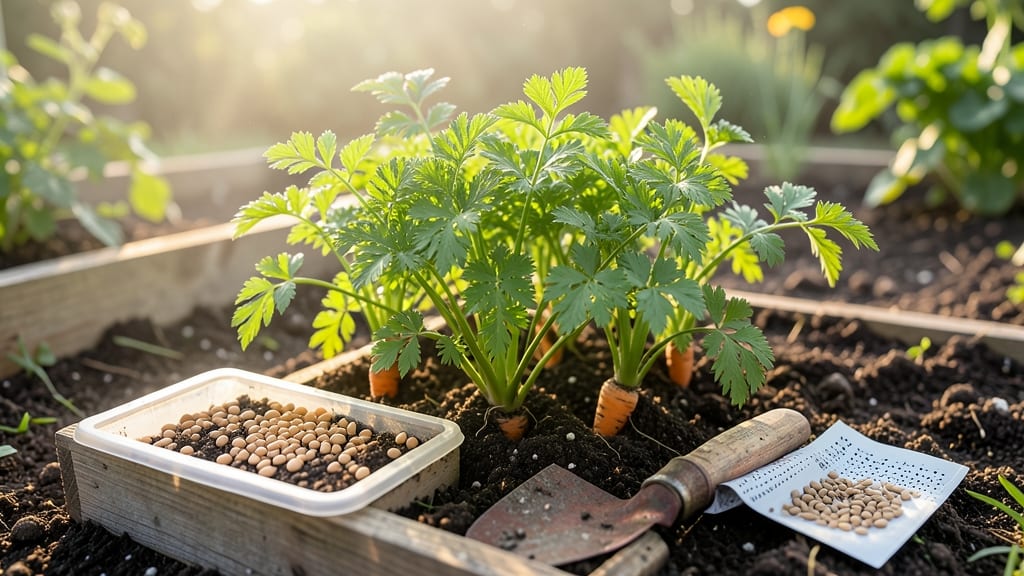
Knowing when to plant carrots in Zone 6 is the secret to growing those crisp, sweet roots you crave—because timing really does matter.
In this region, where last frost hits around April 15, planting too early can leave your 🥕 vulnerable to cold snaps, while waiting too long risks summer heat stress.
Most gardeners in Zone 6 (like 6a) get two prime chances: early spring (March-April) and late summer (July-August). But here's the catch—soil temperature must stay above 50°F for seeds to germinate properly. I'll show you exactly how to time it right, whether you're a first-timer or a seasoned pro.
We'll cover everything from soil prep to succession planting tricks that extend your harvest into fall. No more guessing games—just a foolproof plan for growing carrots that taste like they came straight from the farmers' market.
Ready to dig in? Let's break down the exact frost-free windows and soil conditions that make all the difference for your Zone 6 garden.
Zone 6 carrot planting calendar: exact dates for frost-free success
Getting your carrot seeds in the ground at the right time in Zone 6 is everything—miss the window, and you’ll end up with woody, bitter roots instead of sweet, crisp harvests. The key is planting when soil temperatures hit 50°F+ and frost risk drops below 10%.
In most of Zone 6, that means two main windows: early spring (March–April) and late summer (July–August).
For spring planting, aim for 2–4 weeks before your last frost date (typically April 15 in Zone 6). This gives seedlings time to establish roots before summer heat arrives.
Meanwhile, fall planting should happen 8–10 weeks before your first frost (around September 15) to ensure mature roots before cold sets in.
Here’s the golden rule: Never plant when soil temps are below 50°F—carrot seeds won’t germinate in cold soil, and even if they sprout, they’ll struggle to grow straight roots. Use a soil thermometer to check before planting, especially in early spring or late fall.
| Planting Window | Soil Temp Requirement | Frost Risk | Zone 6 Dates |
|---|---|---|---|
| Early Spring | 50°F+ | Low (<10%) | March 15–April 15 |
| Late Summer | 50°F+ | Low (<10%) | July 15–August 15 |
| Fall (Succession) | 55°F+ | Moderate (20–30%) | August 1–September 1 |
🌱 Pro Tip: Use row covers to extend spring planting by 2–3 weeks if frost threatens.
If you’re new to Zone 6 gardening, succession planting is your secret weapon. Sow carrot seeds every 2 weeks from March through July to ensure a steady harvest. For example, plant your first batch in early March, then follow up with batches in mid-March, late March, and April.
This staggered approach guarantees fresh carrots all summer long.
For fall harvests, focus on fast-maturing varieties like ‘Early Nantes’ or ‘Paris Market’—they’ll reach maturity before the first frost. Plant your last batch no later than early September to avoid bolting (when carrots flower prematurely due to cold stress).
One common mistake in Zone 6 is planting too early in cold, wet soil, which leads to rotten seeds or forked roots. Always wait until the ground is crumbly and dry to the touch before sowing.
A quick test: Grip a handful of soil—if it forms a loose ball that crumbles easily, it’s ready.
Don’t forget about microclimates in your garden! South-facing beds warm up faster in spring, while shady spots stay cooler. If your garden has hot microclimates, opt for shorter varieties like ‘Little Finger’ to avoid bolting. Conversely, cooler microclimates can handle later plantings of longer varieties like ‘Danvers’.
To track your local frost dates, check the USDA Plant Hardiness Zone Map and your nearest Cooperative Extension Service. Many Zone 6 gardeners also use frost prediction apps like Frost Alert to time plantings precisely.
With the right timing, you’ll enjoy homegrown carrots from May through October—no store-bought roots needed!
Zone 6 carrot planting calendar: exact dates for frost-free success
In Zone 6, timing your carrot planting is all about avoiding frost while maximizing soil warmth. The ideal window opens when soil temperatures reach 50°F+—typically mid-March to early April for spring plantings.
Fall is equally viable, with late July to early August being your last chance for a harvest before winter sets in.
Missed the spring window? Don’t panic—succession planting every 2-3 weeks until mid-July ensures a steady supply. Just remember: carrots need 60-85 days to mature, so late plantings must be fast-maturing varieties like 'Paris Market' or 'Little Finger' to avoid woody roots.
| Season | Optimal Planting Window | Soil Temp Requirement | Frost Risk |
|---|---|---|---|
| Spring | Mid-March to early April | 50°F+ | Low (after last frost) |
| Fall | Late July to early August | 60°F+ | Moderate (before first frost) |
| Succession | Every 2-3 weeks until mid-July | 50°F+ | Low (short season) |
For Zone 6 gardeners, calculating frost dates is key. Use the USDA Plant Hardiness Zone Map to find your last frost date—typically April 15—and count back 85 days for your final planting window.
Pro tip: Cover seedlings with frost cloth if temperatures dip below 40°F to protect tender sprouts.
Don’t overlook fall planting—it’s a secret weapon for sweet, flavorful carrots that store well. Aim for a harvest 4-6 weeks before first frost (around mid-October in Zone 6). Varieties like 'Danvers' or 'Chantenay' handle cooler temps better and resist bolting.
If you’re new to Zone 6 gardening, start with one test row in spring to gauge your soil’s readiness. Carrots are finicky about rocky or compacted soil, so amend with compost or sand if needed.
A simple soil thermometer ($10 at garden centers) will confirm when conditions are perfect for planting.
Remember: Consistency beats perfection. Even if you miss the exact date, carrots planted in May or early June can still thrive with daily watering and shade cloth during heatwaves. The goal is crisp, sweet roots, not a calendar.