
Companion Plants
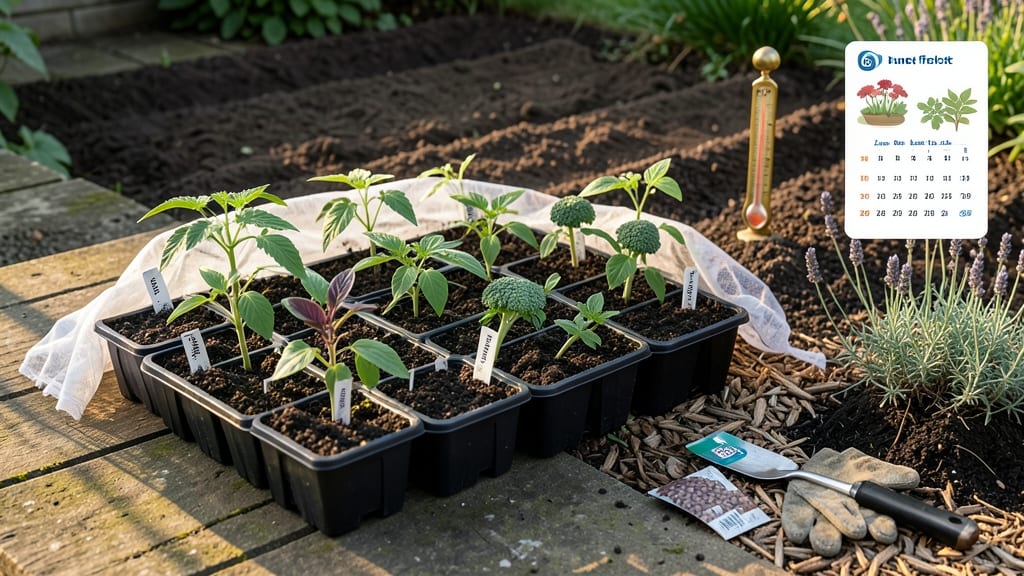
Timing your planting in Zone 6B is the secret weapon behind lush gardens and bountiful harvests—get it wrong, and you're staring at wilted seedlings or missed growing seasons. Whether you're dreaming of crisp lettuce in spring or juicy tomatoes by summer, knowing the exact frost-free windows transforms guesswork into success.
Zone 6B’s 165 frost-free days give you a narrow but precious window to work with, especially if you want fast germination and strong starts.
Cool-season crops like peas and spinach can go in as early as March, while heat-lovers like peppers and basil need to wait until after April 15—when the average last frost has passed. But here’s the catch: Piedmont’s humid summers and the Midwest’s drier air can shift those dates by weeks.
In this guide, I’ll break down the ideal planting months for your favorite plants, from early spring bulbs to fall veggies, plus pro tips to speed up growth.
No more second-guessing whether your soil’s warm enough or if those seedlings are safe from frost—just a clear, actionable timeline tailored to Zone 6B’s quirks.
Ready to turn your garden into a high-speed grower? Let’s dive into the fastest, foolproof way to plant in your zone—so you can enjoy fresh harvests all season long.
Zone 6B frost dates & planting timeline by season
In Zone 6B, your planting schedule hinges on two critical dates: the average last frost date (around April 15) and the first frost date (typically October 15).
These dates create a 165-day growing season, perfect for cool-season crops in spring and fall, while warm-season plants need to wait until soil temperatures rise. Microclimates—like urban heat islands or sheltered valleys—can shift these windows by 1-2 weeks, so always monitor local forecasts.
Cool-season crops like spinach and peas thrive when planted 4-6 weeks before your last frost date, while warm-season favorites such as tomatoes and peppers should wait until 2-3 weeks after that date.
Fall planting mirrors spring timing, with cool-season crops sown 6-8 weeks before your first frost to mature before winter sets in.
🌱Pro Tip: Use row covers or cold frames to extend your growing season by 2-4 weeks in early spring or late fall, giving you more time to harvest.
Zone 6B Planting Timeline
| Season | Plant Type | Planting Window | Soil Temp Requirement | Notes |
|---|---|---|---|---|
| Spring | Cool-Season Crops | March 15 - April 15 | 40-50°F | Spinach, peas, lettuce |
| Spring | Warm-Season Crops | May 1 - May 15 | 60°F+ | Tomatoes, peppers, cucumbers |
| Fall | Cool-Season Crops | August 15 - September 15 | 50-60°F | Kale, carrots, radishes |
| Year-Round | Perennials/Shrubs | April-October | Varies | Roses, lavender, berries |
🌡️ Soil temperature is just as critical as air temperature—use a soil thermometer to confirm readiness.
For trees and shrubs, the best time to plant in Zone 6B is early spring (March-April) or fall (September-October), when soil is workable but not frozen. These plants establish roots more successfully in cooler weather, reducing stress.
If you’re transplanting established plants, aim for late spring to give them 6-8 weeks to acclimate before winter.
🌿Microclimate Adjustments: If you live in a valley or low-lying area, expect frost 1-2 weeks later than higher elevations. Conversely, urban areas may warm up faster, allowing earlier planting of heat-loving crops like eggplants or okra.
Succession planting is a game-changer in Zone 6B. By sowing fast-maturing crops like bush beans or radishes every 2 weeks after your last frost, you can extend harvests well into fall. For slower growers like cabbage, stagger plantings to ensure a continuous supply.
📅Key Dates to Mark:
- March 15: Start cool-season seeds indoors.
- April 15: Last frost (plant hardy crops outdoors).
- May 1: Safe for warm-season transplants.
- August 15: Begin fall cool-season plantings.
- October 15: First frost (harvest remaining crops).
💡Zone 6B Pro Tip: Use black plastic mulch in early spring to warm soil faster, helping warm-season crops like tomatoes and peppers germinate 5-7 days earlier. Just remove it before flowering to avoid overheating.
Zone 6B frost dates & planting timeline by season
Understanding Zone 6B frost dates is the first step to planning a successful garden. In this zone, the average last frost date falls around April 15, while the first frost typically arrives on October 15.
However, these dates can shift by 1-2 weeks depending on your exact location—whether you're in the Piedmont, Midwest, or Appalachian regions. Always check your local weather trends for precision.
Cool-season crops like lettuce, peas, and spinach thrive when planted 4-6 weeks before your last frost date. For Zone 6B, this means starting seeds indoors in early March or directly sowing outdoors by mid-March.
Warm-season crops such as tomatoes, peppers, and cucumbers need to wait until 2-3 weeks after the last frost, usually mid-to-late May.
Fall planting is equally important—broccoli, kale, and carrots can be sown as early as late July to ensure a harvest before winter sets in. Perennials and trees should be planted in early spring (March-April) or early fall (September-October) to give roots time to establish before extreme temperatures arrive.
| Season | Planting Window | Example Crops | Key Tip |
|---|---|---|---|
| Early Spring | March (indoors) / Mid-March (outdoors) | Peas, Spinach, Lettuce | Use row covers for frost protection. |
| Late Spring | Mid-May (after last frost) | Tomatoes, Peppers, Cucumbers | Warm soil speeds germination. |
| Summer | July (for fall harvest) | Broccoli, Kale, Carrots | Prioritize shade-tolerant varieties. |
| Fall | September-October | Garlic, Onions, Radishes | Plant bulbs before first frost. |
Microclimates can drastically alter your planting schedule. For example, sheltered garden beds or urban heat islands may allow you to plant tomatoes 1-2 weeks earlier than the average last frost date.
Always monitor soil temperatures—most seeds need at least 50°F (10°C) to germinate, while warm-season crops prefer 60-70°F (15-21°C).
Succession planting is another Zone 6B pro tip. By staggering plantings every 2 weeks, you can extend harvests for bush beans, lettuce, and radishes well into fall.
For instance, sow a new batch of radishes every 3 weeks from March through August to enjoy fresh harvests all season long.
Don’t forget to account for heat waves in late spring. If temperatures soar above 90°F (32°C), tender seedlings like cucumbers and squash may struggle. Use shade cloth or drip irrigation to protect young plants during heat spikes.