Companion Plants
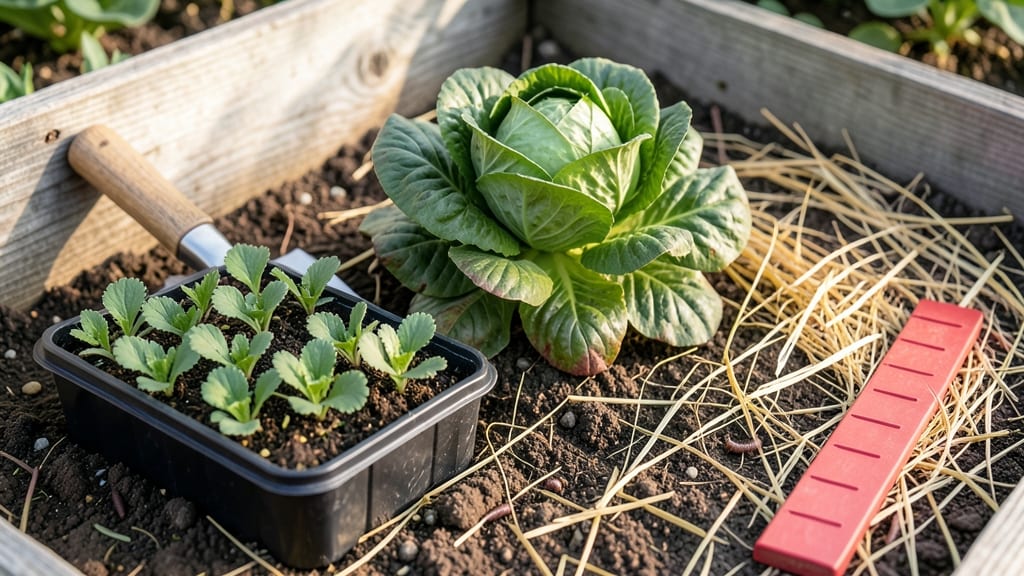
Knowing when to plant lettuce in Zone 6 is the difference between crisp, homegrown greens and bitter, bolted disappointment. That perfect timing window—right after your last frost—can feel like a moving target, especially when summer heat lurks just around the corner.
Let me cut through the guesswork with the exact schedule you need. We're talking 4-6 weeks before your last frost date (typically mid-April in 6a-6b), plus a second planting wave in late summer for fall harvests.
Skip these windows, and you'll either lose plants to frost or watch them race to seed before you can even harvest.
What you'll discover here goes beyond basic dates. I'll show you how to choose heat-tolerant varieties like 'Black Seeded Simpson' that actually thrive when temperatures climb, plus clever tricks like shade cloth to stretch your growing season. No more wasted effort—just reliable, tasty lettuce all season long.
Ready to transform your garden from hit-or-miss to consistently crisp? Let's get those seeds in the ground at the perfect moment—before the weather turns against you.
Zone 6 lettuce planting calendar: exact weeks before last frost for success
In Zone 6, lettuce thrives in cool weather but wilts under summer heat. The key to success? Planting at the right time—4-6 weeks before your last frost date in spring and again in late summer for a fall harvest.
For most of Zone 6, this means mid-March to early April for spring and late August to early September for fall. But exact timing depends on your local frost dates, which can vary by 1-2 weeks even within the same zone.
Use the USDA Plant Hardiness Zone Map to find your precise last frost date. For example, if your last frost is April 15, aim to plant lettuce between March 15 and March 25 for a late spring harvest.
In colder Zone 6a areas, push planting back to late March to avoid early frost damage. Always check your local weather station or agricultural extension service for updates, as frost dates shift yearly.
Pro Tip: Start seeds indoors 3-4 weeks before your target outdoor planting date to give seedlings a head start. This is especially useful for slow-growing varieties like romaine, which need 60 days to mature. Use grow lights to simulate spring conditions if your indoor space is dim.
For a continuous harvest, plan two planting cycles: one in early spring and another in late summer. The first crop will mature by late May, while the second can be harvested in October-November before the first frost.
This two-pronged approach ensures you enjoy fresh lettuce for 8+ months of the year without gaps.
Now, let’s break down the exact planting windows for different lettuce varieties in Zone 6. Not all lettuce is created equal—leaf lettuce (like Buttercrunch) bolts faster than head lettuce (like Iceberg) in heat. Below is your Zone 6 lettuce planting calendar for both spring and fall seasons.
| Season | Planting Window (Zone 6) | Variety Type | Days to Maturity | Harvest Time |
|---|---|---|---|---|
| Spring | March 15–April 1 (6 weeks before last frost) | Early varieties (e.g., Salad Bowl, Black Seeded Simpson) | 30–45 days | Late May–early June |
| Spring | April 1–April 15 (4 weeks before last frost) | Mid-season (e.g., Romaine, Buttercrunch) | 45–60 days | Late June–July |
| Fall | August 15–September 1 (8 weeks before first frost) | Heat-tolerant (e.g., Jericho, Winter Density) | 40–55 days | October–November |
| Fall | September 15–October 1 (6 weeks before first frost) | Late varieties (e.g., Winter Density, Arctic King) | 55–70 days | November–December (before hard frost) |
Notice how fall planting windows are later than spring? This accounts for longer daylight hours in summer, which accelerate growth. Planting too early in fall risks bolting before harvest.
For example, Jericho lettuce, a heat-tolerant variety, can handle 75°F soil temps but will bolt if planted in July when temps exceed 80°F.
If you’re unsure about your last frost date, use a simple trick: monitor local cherry blossom blooms in early spring. When blossoms appear, count 4-6 weeks ahead—that’s your target planting window.
Alternatively, plant a test row of fast-maturing lettuce (like Salad Bowl) 6 weeks before your guessed date. If it survives, you
How to extend lettuce harvests in Zone 6: succession planting and heat-tolerant varieties
Once you've nailed your spring planting window, the secret to continuous lettuce harvests in Zone 6 lies in succession planting and choosing the right varieties.
I've learned the hard way that one planting won't cut it—those summer heat waves will bolt your lettuce faster than you can say "salad day."
The key is to stagger plantings every 2-3 weeks starting 4-6 weeks before your last frost date. This creates a rolling harvest that keeps your kitchen stocked from late spring through early fall.
For my garden, that means planting seeds on March 15, April 1, April 15, and May 1 for a steady supply.
For summer plantings, I swear by heat-tolerant varieties like 'Jericho' and 'Summertime' that can handle temperatures up to 80°F (27°C) without bolting. These varieties are your best bet for extending harvests into July and August.
Pair them with 30-50% shade cloth during peak afternoon heat (12 PM - 4 PM) to keep soil temperatures down.
Pro tip: Use container gardening for summer lettuce. Pots heat up less than garden beds and give you mobility to move plants to shadier spots when needed. I keep mine on a wheeled dolly for easy relocating—game changer during heat waves!
Don't forget your fall planting window either! After your first frost (typically mid-October in Zone 6), lettuce actually tastes sweeter after a light frost. Plant heat-tolerant varieties again in late August for a fall harvest, using row covers to protect from early frosts.
With this schedule, I've gone from one puny harvest to continuous lettuce for 8 months of the year. The secret? Never letting more than 3 weeks pass between plantings and always having backup varieties ready for when summer heat strikes.