
Companion Plants
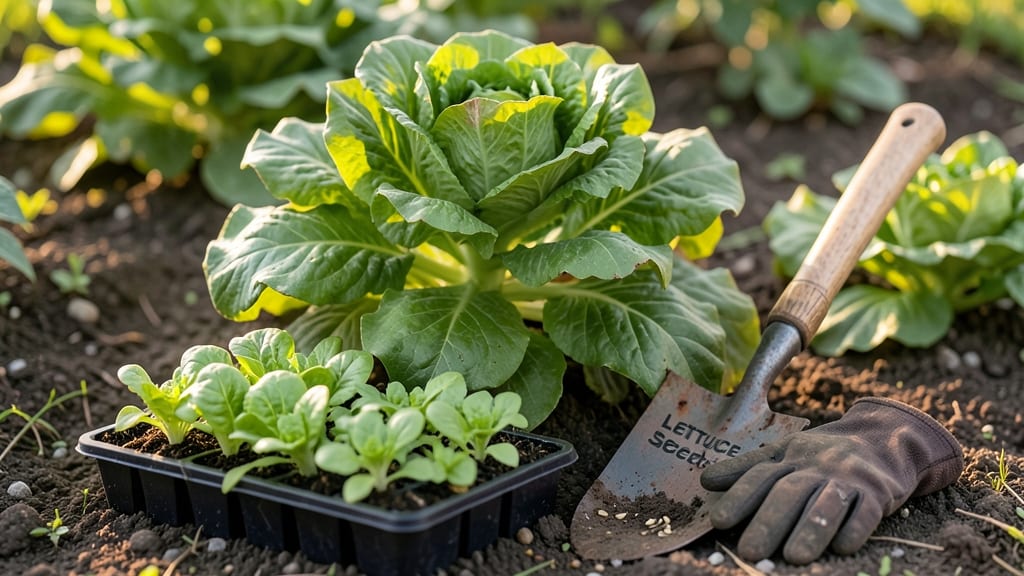
Knowing when to plant lettuce in Zone 7 can mean the difference between crisp, flavorful salads and bitter, bolted greens. If you've ever watched your lettuce 🥬 turn tough or flower too soon, you're not alone—timing is everything in this climate.
The key to success lies in planting during two perfect windows: early spring (March-April) and late summer (August-September). These months give your lettuce the cool temperatures it craves while avoiding the heat that triggers bolting.
Let me show you exactly how to align your planting with Zone 7's frost dates and microclimates for maximum harvests.
Beyond just months, we'll cover soil prep, sunlight needs, and post-planting care to keep your lettuce thriving for 6-8 weeks of fresh harvests. Whether you're a beginner or seasoned gardener, these strategies will help you grow lettuce that's consistently crisp and delicious.
Ready to transform your garden into a lettuce-growing powerhouse? Let's dive into the exact steps that will have you harvesting salads all season long—without the frustration of bolting or poor growth.
Best months to plant lettuce in Zone 7 for success
Timing your lettuce planting in Zone 7 is the secret to avoiding bitter, bolted leaves. The key windows are early spring (March-April) and late summer/fall (August-September), when temperatures stay cool enough to prevent premature flowering.
Lettuce thrives in 50-70°F soil temps, so planting outside this range risks bolting within weeks.
In Zone 7, your last frost date is typically around April 15, giving you a 4-6 week head start for spring planting. For fall, aim to sow seeds 8-10 weeks before your first frost (mid-October) to ensure a harvest before cold sets in.
These windows maximize your crop's potential while avoiding heat stress.
Here’s how to align your planting with Zone 7’s climate for perfect timing:
| Planting Window | Ideal Months | Temperature Range (°F) | Moon Phase Tip |
|---|---|---|---|
| Spring Planting | March-April | 50-65°F (soil) / 60-75°F (air) | Plant during waxing moon for faster growth |
| Fall Planting | August-September | 55-70°F (soil) / 65-80°F (air) | Avoid full moon—opt for waning moon |
| Overwintering | October-November | 40-55°F (soil) / 45-60°F (air) | Use cold frames or row covers |
For spring planting, start seeds indoors 4-6 weeks before your last frost (around February 15-March 1 in Zone 7) to get a jump on the season.
Harden off seedlings for 7-10 days before transplanting outdoors after soil warms above 50°F. This method ensures your lettuce matures before summer heat arrives.
Fall planting requires patience—sow seeds 8-10 weeks before your first frost (typically mid-August in Zone 7). Choose heat-tolerant varieties like Romaine or Buttercrunch for better success in late summer. These varieties handle 75-80°F air temps better than delicate leaf types.
Zone 7 gardeners can also try overwintering lettuce for early spring harvests. Plant cold-hardy varieties like Winter Density or Arctic King in late September-October, then protect them with row covers or straw mulch. These varieties survive 20-25°F temps and resume growth when temperatures rise.
Pro tip: Use a soil thermometer to confirm temps before planting. Lettuce roots prefer consistent moisture and cool soil, so avoid planting when daytime highs exceed 80°F. If your summer heatwave hits early, opt for shade cloth (30-50%) to protect seedlings.
Moon phases play a subtle but real role in lettuce success. Plant during the waxing moon (growing phase) for faster leaf production, or the waning moon (drying phase) for deeper roots. Avoid planting during the full moon—this can stress young seedlings.
Remember: Bolting (premature flowering) is your biggest enemy in Zone 7. By sticking to these cool-season windows, you’ll enjoy crisp, sweet lettuce instead of bitter, seed-studded leaves. Happy planting! 🥬
How to extend your lettuce harvest season in Zone 7
Zone 7 gardeners can enjoy fresh lettuce 🥬 for nearly half the year with the right strategies. The secret lies in succession planting, shade protection, and choosing bolt-resistant varieties.
Let me show you how to stretch your harvest from early spring through late fall—without the frustration of bolting or poor growth.
Start by planting every 2-3 weeks from March through May, then again from August through September. This staggered approach ensures a continuous supply of fresh leaves.
For example, my first batch goes in early March, followed by a second in late March, and a final one in early April—guaranteeing salads from May through June.
Don’t overlook shade cloth during summer months. A 30-50% shade cloth can lower soil temperatures by 10-15°F, creating ideal conditions for lettuce even when daytime highs hit 85°F. I’ve seen this simple trick extend my summer harvest by 4-6 weeks compared to unprotected plants.
| Method | Best For | Harvest Window |
|---|---|---|
| Succession Planting | Spring & Fall | March-October |
| Shade Cloth (30-50%) | Summer Heat | June-August |
| Cold-Hardy Varieties | Fall/Winter | September-November |
| Container Gardening | Small Spaces | Year-Round |
For late-season success, prioritize cold-hardy varieties like 'Winter Density' or 'Arctic King'. These varieties can withstand light frosts and often produce sweeter leaves after exposure to 25-30°F temperatures. I’ve had great luck with these in my Zone 7b garden, harvesting crisp lettuce well into November.
Don’t forget about container gardening for urban gardeners or those with limited space. Small pots (6-8 inches deep) work perfectly for lettuce, and you can move them to shaded areas during peak summer heat.
This flexibility lets me grow lettuce on my balcony from April through October, even in small spaces.
Finally, always keep an eye on your soil temperature. Lettuce thrives when soil stays between 45-75°F. Use a soil thermometer to monitor conditions—if temperatures rise above 80°F, your lettuce will bolt within days.
Mulching with straw can help maintain cooler soil temperatures and extend your growing season by 2-3 weeks. 🌱