
Flowers
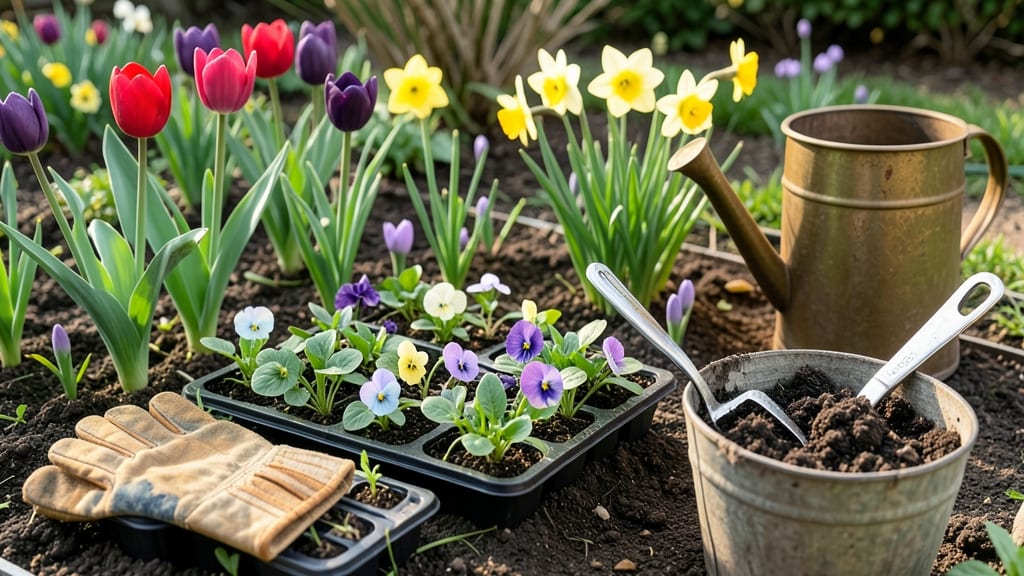
Knowing when to plant flowers in spring can mean the difference between a garden bursting with color and a sad, wilted mess. The wrong timing—whether planting too early and risking frost damage or waiting too long and missing the ideal window—often leads to frustration.
But with the right approach, you can transform your outdoor space into a vibrant haven.
For most gardeners in Zone 6a, the magic happens after the last frost date, typically between late April and early May. This is when soil temperatures rise enough to support root growth, and the risk of frost becomes minimal.
However, not all flowers thrive under the same conditions—annuals like marigolds and petunias need warmer soil, while hardy perennials can handle cooler temperatures.
In this guide, I’ll break down the exact weeks after your last frost to plant different types of flowers, so you can avoid common mistakes and enjoy blooms all season.
Whether you’re a beginner or a seasoned gardener, these tips will help you time your planting perfectly for the most stunning results.
Ready to turn your garden into a showstopper? Let’s dive into the science and strategies that will have your flowers thriving from the first day they go in the ground.
Exact weeks after last frost to plant flowers by USDA zone
Spring flower planting isn’t a one-size-fits-all task—your USDA hardiness zone and last frost date dictate the perfect window. In most zones, you’ll plant 3 to 12 weeks after the average last frost, but cool-season flowers (like pansies) can go in earlier, while warm-season favorites (tomatoes, marigolds) need warmer soil.
Let’s break it down by zone so you never guess again.
For example, in Zone 5, where frosts linger until mid-May, annuals like zinnias should wait until late May, while hardy perennials like coneflowers can go in as early as April.
Meanwhile, Zone 8 gardeners might plant warm-season flowers as early as February—because their soil warms faster. The key? Soil temperature matters just as much as air temperature.
Here’s your zone-by-zone guide, including ideal planting weeks after the last frost and temperature thresholds for different flower types. Use this as your cheat sheet before digging in!
| USDA Zone | Weeks After Last Frost | Soil Temp Threshold | Best Flowers to Plant | Notes |
|---|---|---|---|---|
| Zones 3-4 | 4-8 weeks | 45-50°F | Pansies, Snapdragons, Sweet Alyssum | Cool-season flowers only; wait for soil to thaw. |
| Zones 5-6 | 3-6 weeks | 50-55°F | Petunias, Marigolds, Coneflowers | Perennials can go in earlier; annuals wait. |
| Zones 7-8 | 2-4 weeks | 55-60°F | Geraniums, Zinnias, Dahlias | Warm-season flowers thrive with early planting. |
| Zones 9-10 | 0-2 weeks | 60-65°F | Sunflowers, Cosmos, Impatiens | Plant as soon as soil is workable. |
Pro tip: Bulbs like tulips are a special case—they need chilling months before planting. In Zone 5, plant them in fall (October-November), not spring. But spring-blooming bulbs like daffodils can go in as early as March in mild zones (Zones 7+). Always check the specific variety’s needs!
If you’re in a transition zone (like Zone 6b), err on the side of caution. A late frost in April can wipe out tender seedlings overnight. I’ve learned this the hard way with my marigolds—always have a row cover ready for those just-in-case nights!
For container gardening, warm soil heats up faster, so you can plant 2-4 weeks earlier than in-ground. Just ensure your pots have drainage holes to prevent root rot from cold, soggy soil. My balcony petunias always bloom earlier than my garden beds because of this trick.
Remember: Seed packets often list days to maturity from last frost, but this assumes ideal conditions. If your spring is cooler than average, add an extra week to their timeline.
Use a soil thermometer ($10 at garden centers) to double-check—50°F is the magic number for most flowers.
Finally, perennials like black-eyed Susans or daylilies can handle early planting (even before last frost in some zones), but annuals like impatiens will bolt if planted too soon. Match your flowers to your microclimate—south-facing beds warm up faster than shady spots.
Now that you’ve got your zone-specific timeline, your next move? Prep your soil and harden off seedlings if you started them indoors. Spring planting success starts with patience—and a little research!
How to calculate your local last frost date for precise planting
Figuring out your exact last frost date is the first step to planting flowers successfully in spring. While general USDA zone guidelines help, your microclimate—like whether you’re in a valley or on a hill—can shift that date by 1-3 weeks.
For example, my garden in Zone 6a might see frost until April 20, but a neighbor on a hilltop could experience it until May 5.
Start by checking the National Weather Service or Plant Maps app for your area’s historical frost data. These tools provide average last frost dates based on decades of records. However, I always cross-check with my own observations from the past 3 years to account for local variations.
Next, consider microclimate factors that can delay or advance frost. Low-lying areas, bodies of water, and urban heat islands often warm up faster, while high elevations and open fields stay colder longer. Even a 10-foot difference in elevation can mean a week’s difference in frost timing.
🌱 Pro Tip: Use a frost calendar from your local cooperative extension office. They often provide hyper-local data that’s more accurate than national averages.
For instance, my county’s extension office lists April 15 as the average last frost date, but I’ve seen frost as late as May 2 in some years.
Step-by-Step: How to Find Your Last Frost Date
- Check online tools: Use the National Weather Service or Plant Maps for your ZIP code’s average last frost date.
- Review local records: Visit your county extension office website for microclimate-adjusted data.
- Adjust for microclimates: Add 1-3 weeks if you’re in a frost pocket or subtract if you’re in a warm microclimate.
- Track your own data: Note frost dates for the past 3 years to refine your timeline.
- Use the "10-day rule": Wait 10 days after the average last frost date to plant frost-sensitive flowers like petunias or marigolds.
Once you’ve nailed down your last frost date, add 2-4 weeks to it for planting warm-season flowers like zinnias or sunflowers. These need soil temperatures above 55°F to thrive.
For cool-season flowers like pansies or snapdragons, you can plant them 4-6 weeks before the last frost date—they’ll handle light frosts just fine.
Don’t forget to test your soil temperature with a soil thermometer before planting. Most flowers need soil to be at least 50°F for roots to establish properly. If your soil is still chilly, wait another week or two—your flowers will thank you with stronger growth and longer blooms.
🌿 Remember: Even if the calendar says it’s spring, frost can linger until May in some areas. Always have frost cloths on hand for a just-in-case scenario—it’s better to be prepared than to lose your hard work to a surprise freeze.