
Plants
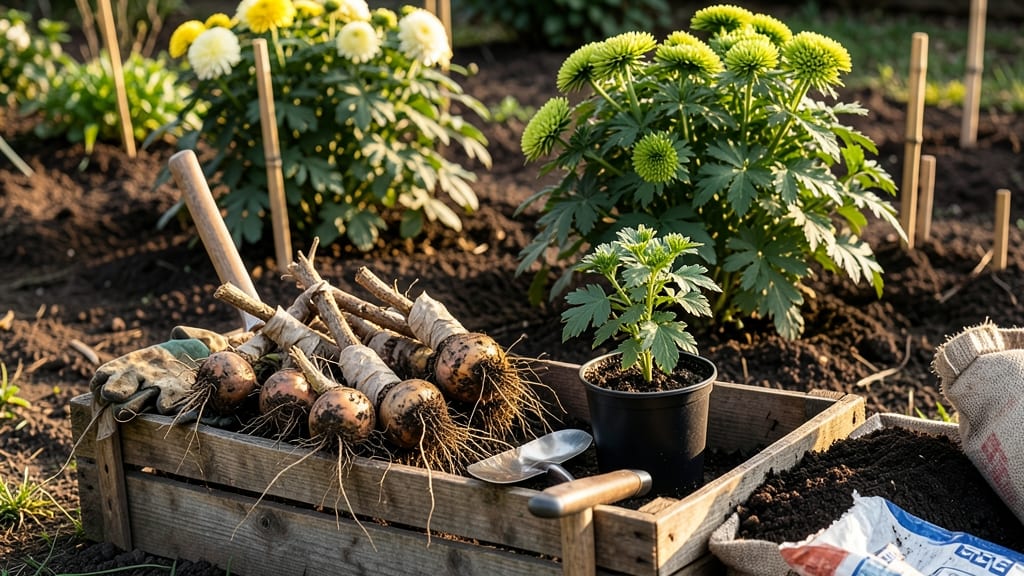
Planting mums 🌼 in the ground at the wrong time means skipping the stunning fall color you’ve been dreaming about.
The key to vibrant blooms lies in understanding your local frost dates and USDA zone—because getting this timing right can mean the difference between a garden bursting with color and one full of wilted stems.
For most gardeners in Zone 6a (like me!), the perfect window opens 4-6 weeks before your first frost, typically in late summer. But whether you’re in a cooler northern climate or a milder southern region, the rules shift.
I’ll walk you through exactly when to plant based on your location, plus soil prep and care tips to ensure your mums thrive.
You might think “just drop them in the ground” is enough—but preparation is everything. From choosing the right spot to spacing plants correctly, these small steps make a huge difference. Let’s dive into the exact schedule and techniques so your garden becomes the talk of the neighborhood this fall.
Ready to transform your yard? By the end, you’ll know not just when to plant, but how to give your mums the best shot at surviving until winter. No more guessing—just gorgeous, frost-free blooms!
USDA Zone planting guide: best months to plant mums in your region
Planting mums at the right time ensures vibrant fall blooms instead of wilted stems. The ideal window is 4-6 weeks before your first frost, but this varies dramatically by USDA zone.
In Zone 3, you might plant as early as late May, while Zone 10 gardeners can plant until November. Let’s break it down by region so you can time your planting perfectly.
Most gardeners focus on fall planting because mums thrive in cooler weather. However, spring planting is possible in warmer zones (7-11) if you choose hardy varieties. The key is avoiding extreme heat or frost during their establishment phase.
For example, planting in July in Zone 5 risks heat stress, while August gives them time to root before winter.
Here’s a quick reference for your zone—use it to pick the best month and avoid common mistakes like planting too late in cold climates or too early in hot ones.
| USDA Zone | Best Planting Month | Frost-Free Window | Notes |
|---|---|---|---|
| Zones 3-4 | Late May - Early June | 4-6 weeks before mid-September frost | Use hardy varieties like 'Hardy Bonanza'; mulch heavily. |
| Zones 5-6 | Mid-June - Early July | 4-6 weeks before mid-October frost | Avoid planting after July 15 in Zone 5. |
| Zones 7-8 | July - Early August | 4-6 weeks before first frost (Nov-Dec) | Spring planting possible in Zone 8 (Feb-March). |
| Zones 9-10 | August - October | Plant until 60 days before frost (rare in Zone 10). | Fall planting preferred; spring planting works for tender varieties. |
| Zone 11 | Year-round (best in fall or spring) | No frost risk; plant when soil temps are 60-70°F. | Avoid summer planting due to heat stress. |
If you’re in a transition zone (e.g., Zone 6b vs. 7a), err on the earlier side—mums planted in late July often bloom better than those planted in August. For example, in Zone 7, aim for July 1-15 to give roots time to establish before cooler weather arrives.
Pro tip: Check your local Almanac frost dates and count backward 6 weeks for the safest window.
Northern gardeners (Zones 3-5) should prioritize hardy mum varieties like 'Autumn Joy' or 'Hardy Bonanza', which tolerate light frosts after planting. In contrast, tender varieties (e.g., 'Cavendish') need to be planted at least 8 weeks before frost in Zones 6-7. Always read the tag description—it lists cold tolerance details.
For container gardening, adjust your timeline by 1-2 weeks earlier since pots dry out faster and roots establish more slowly. If you’re planting mums in containers, use a well-draining mix with perlite to prevent root rot, and move pots to a sheltered spot if frost threatens after planting.
One common mistake is planting mums too close to summer’s end. If you miss the ideal window, consider potted mums from nurseries—these are already established and can be planted right up until frost in most zones. Just be sure to water deeply after transplanting to reduce shock.
Finally, remember that soil temperature matters just as much as air temperature. Mums prefer soil that’s 60-70°F at planting time. Use a soil thermometer to check—if it’s cooler than 55°F, wait a few days or use black plastic mulch to warm the soil.
With the right timing, your mums will reward you with weeks of color—from early fall through frost. Mark your calendar now and watch your garden transform!
How to prepare mums for planting: soil, sunlight, and pre-planting care
Before you pop those mums 🌼 into the ground, proper soil prep and sunlight placement are non-negotiable. I’ve learned the hard way—skipping this step means sad, stunted plants that never bloom. Start by testing your soil’s pH level (aim for 6.0-6.5), since mums thrive in slightly acidic conditions.
If your soil is too alkaline, mix in peat moss or sulfur to adjust it.
Next, focus on drainage. Mums hate soggy roots, so amend heavy clay soil with compost or sand to improve airflow.
I like to dig in a 2-3 inch layer of compost a few weeks before planting—this gives beneficial microbes time to colonize the soil and boosts nutrient availability for your new plants.
Now, let’s talk sunlight. These beauties need 6+ hours of direct sun daily, so scout your garden for the sunniest spot. If your yard is shady, consider dwarf varieties like ‘Bonanza’ or ‘Crimson Mound,’ which tolerate partial shade better than standard mums.
Pro tip: Avoid planting near large trees—their roots compete for water and nutrients, leaving your mums thirsty and weak.
⚠️ Common Mistake Alert
Overwatering is the #1 killer of young mums. While they need consistent moisture, soggy soil suffocates roots. Water deeply once a week (more in extreme heat) and always check the top inch of soil—if it’s dry, it’s time to water. Morning watering is best to prevent fungal diseases like powdery mildew.
If you’re planting transplants from a nursery, harden them off first. This means gradually exposing them to outdoor conditions over 5-7 days. Start with 2-3 hours of sunlight on day one, then increase daily.
Skip this step, and you risk shocking the plants with sudden temperature or light changes, leading to wilting or even death.
Finally, space your mums correctly. Standard varieties need 12-18 inches apart, while dwarf types can live happily 6-12 inches apart. Crowding stresses plants and invites pests. I like to sketch a quick layout before digging—it saves time and ensures even spacing for a polished look.
With the right soil prep and sunlight strategy, your mums will establish strong roots and reward you with weeks of vibrant blooms. Now, let’s tackle the next big question: how late can you plant before frost ruins your hard work? 🌡️