
Plants
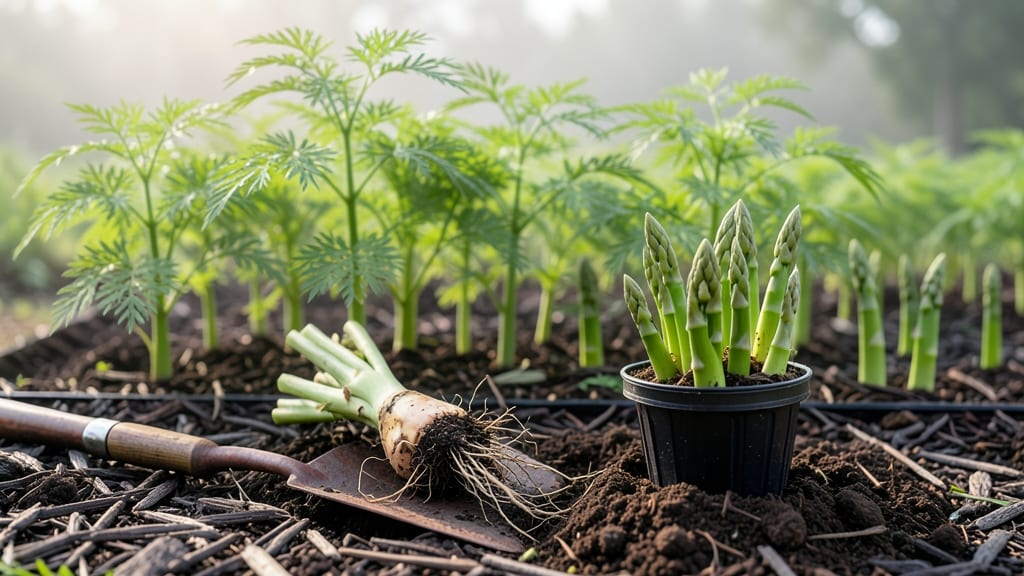
Timing is everything when it comes to planting asparagus in Michigan—get it right, and you’ll enjoy thick, productive crowns for years. The early spring window (March to April) is your best bet, but Michigan’s 5b-6b zones mean you’ll need to adjust for frost risks and soil temperatures.
Many gardeners make the mistake of planting too early, only to watch their crowns struggle with cold soil. I’ve learned the hard way that waiting until the ground reaches at least 50°F makes all the difference. This simple check ensures your asparagus gets off to a strong start.
Once planted, asparagus is a perennial powerhouse, but the first few months set the stage for long-term success. We’ll cover soil prep, frost timing, and how to avoid common pitfalls that can stifle growth. Let’s get those spears thriving!
Whether you’re a first-time gardener or a seasoned pro, these zone-specific tips will help you plant with confidence. Ready to dig in? Let’s make your Michigan garden the envy of the neighborhood.
Michigan asparagus planting months by hardiness Zone (4-6)
Michigan’s USDA hardiness zones 4-6 create distinct planting windows for asparagus crowns. Northern Michigan (Zone 4) has the shortest growing season, while Southern Michigan (Zone 6) enjoys a longer window.
The key is planting when soil temperatures reach 50°F—your best bet for avoiding frost damage while giving roots time to establish.
For Zone 4 (northern MI), aim for late April to early May. This timing accounts for late frosts that can linger until mid-May. Zone 5 (central MI) gardeners have more flexibility, with early April to mid-May being ideal.
Meanwhile, Zone 6 (southern MI) can start as early as late March, with a safe window extending to April.
Here’s the critical rule: Never plant asparagus crowns in fall—Michigan’s winters are too harsh for young roots. Spring planting gives crowns 6-8 weeks of warm soil before summer heat arrives, which is when asparagus really takes off. Seed planting (less common) should happen 4-6 weeks before the last frost date, typically early April for Zone 6 or late April for Zone 4.
Soil temperature is your best indicator. Use a soil thermometer to confirm 50°F+ at 4-inch depth.
If you plant too early, crowns may rot in cold soil; too late, and you risk stunted growth before summer. Michigan’s average last frost dates range from April 15 (southern) to May 15 (northern), but don’t rely on averages—watch your local forecasts!
Pro tip: Pre-soak crowns for 2-4 hours before planting to jumpstart root growth. This is especially helpful in Zone 4, where dry springs can delay establishment. Mulch heavily after planting to retain moisture and regulate soil temperature—critical in Michigan’s fluctuating springs.
| Zone | Ideal Planting Window | Soil Temp Trigger | Frost Risk | Notes |
|---|---|---|---|---|
| 4 (Northern MI) | Late April–Early May | 50°F+ at 4" | High (last frost: May 15) | Use black plastic mulch to warm soil |
| 5 (Central MI) | Early April–Mid-May | 50°F+ at 4" | Moderate (last frost: April 30) | Best for crown planting |
| 6 (Southern MI) | Late March–April | 50°F+ at 4" | Low (last frost: April 15) | Can plant seeds in early April |
If you miss the spring window, don’t panic—you can still plant asparagus in early fall (September), but only in Zone 6.
Crowns need 6-8 weeks to establish roots before winter, so aim for 60 days before first frost. Zone 4 and 5 are too risky for fall planting due to early frosts.
For container growing in Michigan, plant crowns in late April to early May regardless of zone.
Containers warm up faster than ground soil, but they also dry out quicker—water daily for the first 2 weeks to prevent crown desiccation. Use a heat mat in Zone 4 to extend the season if needed.
Remember: Asparagus is a perennial, so getting the timing right now means 15+ years of harvests. In Michigan, patience pays off—your first harvest won’t come until Year 2 or 3, but with the right planting window, you’ll enjoy thick spears for decades. 🌱
For Zone 5 gardeners, April 15 is the sweet spot—it balances frost risk and soil warmth. If you’re in Zone 6, you can push it to late March, but cover new plantings with frost cloth if nights dip below 32°F.
In Zone 4, wait until after May 1 unless you’re using season extenders.
How to prepare Michigan soil for asparagus success
Before planting asparagus crowns in Michigan, your soil needs a serious upgrade. Asparagus thrives in loose, well-draining soil with a pH between 6.5 and 7.5. If your garden soil is heavy clay or compacted, take time to amend it—this step is non-negotiable for long-term success.
Start by testing your soil’s pH using a home test kit or send a sample to Michigan State University Extension. If the pH is too acidic (<6.5), add lime in the fall before planting. For alkaline soil (>7.5), work in sulfur or peat moss to lower the pH gradually.
Drainage is critical—asparagus roots rot in soggy soil. If your yard has poor drainage, consider planting in raised beds or mounding soil over a layer of gravel or sand. This simple fix prevents crown rot and ensures healthy root growth.
| Soil Prep Task | Action Steps |
|---|---|
| Test pH | Use a kit or MSU lab; aim for 6.5-7.5 |
| Amend pH | Add lime for acidity or sulfur for alkalinity |
| Improve Drainage | Mix in compost or sand; use raised beds if needed |
| Add Organic Matter | Work in 4-6 inches of compost or well-rotted manure |
| Fertilize Lightly | Use 10-10-10 balanced fertilizer at planting time |
Asparagus crowns need nutrient-rich soil but avoid over-fertilizing, which can burn tender roots. Mix in 4-6 inches of compost or well-rotted manure into the top 12 inches of soil. This boosts organic matter and improves soil structure, helping roots spread efficiently.
For extra insurance, plant asparagus near companion plants like tomatoes, beans, or basil. These help deter pests and improve soil health naturally. Avoid planting near potatoes or onions, which compete for nutrients and attract similar pests.
Finally, mark your asparagus bed with stakes or flags to avoid disturbing the roots during future gardening. Asparagus takes 2-3 years to establish, so patience and proper soil prep now will pay off with decades of harvests.