
Plants
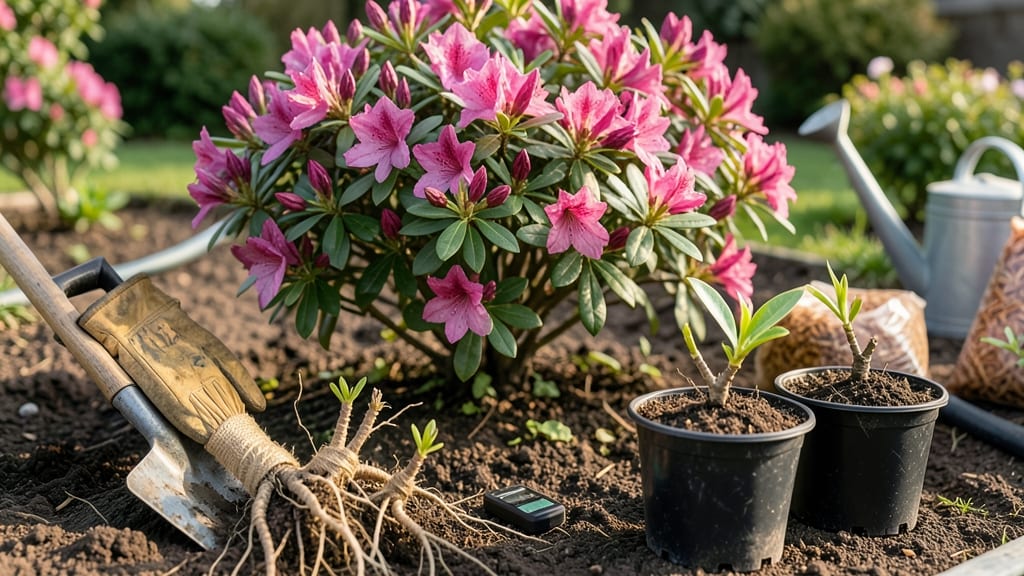
Planting azaleas in Florida isn’t just about timing—it’s about avoiding frost while giving your 🌸 azaleas the best shot at thriving. The wrong window could mean struggling roots or missed blooms, but get it right, and you’ll enjoy vibrant spring flowers year after year.
Florida’s climate zones—from 8a in the Panhandle to 11 in the Keys—create a unique challenge. Too early, and late frosts can sneak in; too late, and summer heat stresses young plants. The solution? Plant between October and March, when temperatures cooperate and roots establish before the real heat arrives.
Whether you’re working with container-grown azaleas or bare-root varieties, preparation is key. We’ll cover soil pH, watering schedules, and how to shield your plants from unexpected cold snaps—so you can focus on enjoying those stunning blooms instead of worrying about them.
Ready to set your azaleas up for success? Let’s dive into the best months to plant, plus pro tips to keep them flourishing in Florida’s humid heat.
Optimal azalea planting months in Florida’s climate zones
Florida’s diverse climate zones mean azaleas thrive year-round, but timing matters. In North Florida (Zones 8a-8b), plant from November to March to avoid late frosts—especially around January 15.
Central Florida (Zones 9a-9b) has a wider window (October–April), while South Florida (Zones 10a-11) can plant year-round but excels in fall or early spring for best root growth.
Azaleas need 4-6 weeks of root establishment before summer’s heat arrives. Planting in early spring (March–April) ensures they’re settled before June’s 90°F+ temps. Bare-root plants need soil temps above 60°F—wait until mid-February in North FL or January in South FL.
Missed the window? Container-grown azaleas adapt better to summer planting than bare-root types. Just water deeply 2x/week and use shade cloth (30-50%) during the first month to reduce transplant shock.
| Florida Zone | Last Frost Risk | Ideal Planting Window | Key Tip |
|---|---|---|---|
| North (8a-8b) | Jan 15 | Nov–Mar | Avoid Nov if frost predicted |
| Central (9a-9b) | Dec 15 | Oct–Apr | Feb–Mar best for blooms |
| South (10a-11) | Rare | Year-round | Fall best for root growth |
For container-grown azaleas, Florida’s heat is less critical—plant anytime except peak summer (June–Aug). Bare-root plants, however, struggle in summer heat and may wilt or die without proper care. Always check root flares—they should sit 1 inch above soil.
Microclimates matter! Coastal areas (like Fort Lauderdale) stay warmer than inland Gainesville. Use local frost data from the National Weather Service to adjust your schedule. For example, Orlando’s last frost is January 5, while Tallahassee’s is January 20.
Pro tip: Plant azaleas on cloudy days or in late afternoon to reduce transplant shock. Water before planting to hydrate roots, then deep-water after to settle soil. Mulch with 3 inches of pine bark to retain moisture and mimic Florida’s acidic forest floors.
Everglades growers swear by September planting for fall/winter blooms, but this risks hurricane season. If you plant late, stake young shrubs and use windbreaks to prevent root exposure. Azaleas in South FL often bloom twice yearly—spring and fall—if given ideal conditions.
Remember: Azalea blooms form on last year’s growth. Planting too late (after May) may delay next year’s flowers. For instant color, choose pre-blooming varieties like ‘George Taber’ or ‘Southern Indigo’, which handle Florida’s heat better than traditional types.
Need a quick reference? Bookmark these Florida-specific deadlines:
- North FL: Plant by March 15 for summer survival
- Central FL: Plant by April 15 for peak blooms
- South FL: Plant anytime, but fall is ideal
🌸
Optimal azalea planting months in Florida’s climate zones
Florida’s three distinct climate zones (North, Central, and South) dramatically impact when you should plant azaleas. In North Florida (Zones 8a-8b), late frosts can linger until mid-January, so aim for October through March to give roots time to establish before cold snaps.
Meanwhile, Central Florida (Zone 9a) sees rare frosts, allowing a slightly longer window from September to April. South Florida (Zones 10a-11) enjoys frost-free conditions year-round, but fall planting (September-November) still yields the best results.
Timing matters because azaleas need 6-8 weeks of root growth before Florida’s summer heat arrives. Planting in early spring (March-April) gives them a head start, while late spring or summer plantings often lead to heat stress and poor blooming.
Even in frost-free zones, summer planting risks transplant shock from intense humidity and UV exposure.
| Florida Zone | Best Planting Window | Frost Risk | Key Consideration |
|---|---|---|---|
| North FL (8a-8b) | October 15 - March 15 | High (Jan 15 avg last frost) | Avoid November; roots need frost protection |
| Central FL (9a) | September 1 - April 30 | Low (rare below 32°F) | Best blooms with fall planting |
| South FL (10a-11) | September-November or February-March | None | Avoid summer heat; use shade cloth |
For container-grown azaleas, you have more flexibility—plant anytime except during peak summer months (June-August). These plants arrive with established root systems, so they handle Florida’s heat better than bare-root azaleas, which need immediate cool-weather planting.
If you must plant in summer, choose early morning or late afternoon to minimize heat stress and provide daily shade cloth protection for the first 2 weeks.
Pro tip: Check your local Florida Climate Service for 30-day forecasts before planting. If temperatures exceed 90°F for more than 3 days, delay planting until conditions cool. Even in frost-free zones, high humidity and heat can stunt root growth, leading to weaker plants with fewer blooms.
Remember that microclimates matter. Coastal areas stay warmer longer than inland regions, while higher elevations (like North Florida’s mountains) may experience earlier frosts. When in doubt, observe established azaleas in your neighborhood—their bloom timing is your best local guide.
Once you’ve chosen your planting window, focus on soil preparation. Florida’s native soil is often alkaline and sandy, which azaleas despise. Amend with peat moss or pine bark fines to create the acidic (pH 4.5-6.0) environment they crave. This step is non-negotiable for Florida-grown azaleas!