
Plants
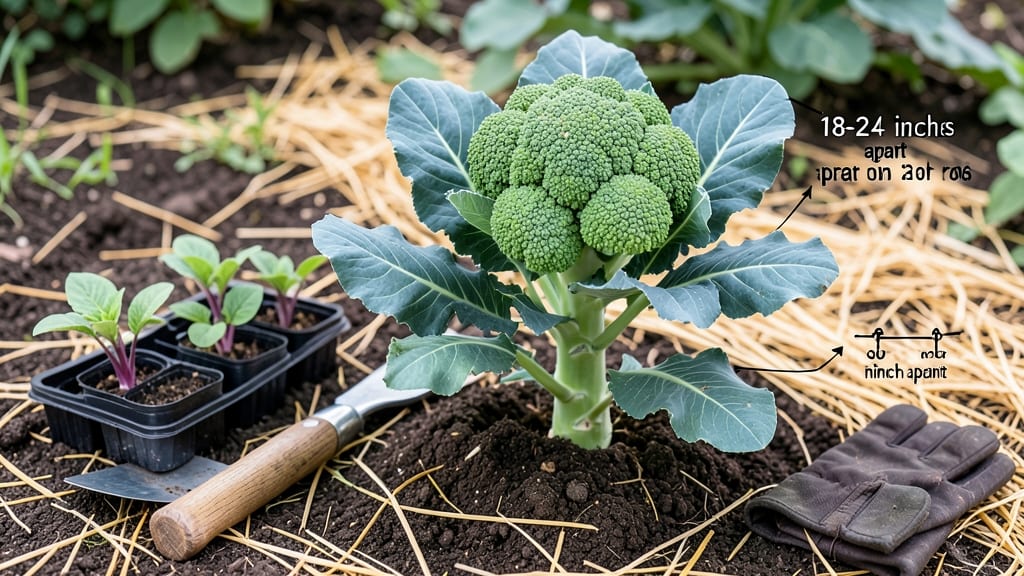
If you’ve ever wondered when to plant broccoli in Texas, the answer isn’t one-size-fits-all—because the Lone Star State’s climate zones throw a curveball. Plant too early in North Texas, and frost will nip your 🥦 before they even sprout.
Plant too late in South Texas, and your broccoli will bolt faster than a jackrabbit in July.
Here’s the secret: Texas gardeners split their planting into two sweet spots—early fall (August–September) and late winter (February–March). These windows let you sidestep the brutal summer heat and the unpredictable frost dates that vary from Zone 8a’s chilly Panhandle to Zone 10a’s balmy Rio Grande Valley.
But timing isn’t the only trick. I’ll show you how to prep your soil, pick the right varieties for your region, and avoid the Texas-specific mistakes that turn your broccoli dreams into bitter disappointment. Ready to grow a harvest that’ll make your neighbors green with envy?
Let’s dive into the exact months, soil hacks, and shade strategies that’ll give you bold, tasty broccoli—no matter where you garden in Texas. Your first head could be ready by October, and your second by May. Sound like a plan?
Texas climate Zones: broccoli planting months by region (avoid bolting!)
Texas spans USDA zones 7a through 10a, meaning broccoli planting windows can shift by 6+ weeks from the Panhandle to South Texas.
In North Texas (Zones 7b-8a), like Dallas and Fort Worth, your last frost typically hits around February 15, while South Texas (Zones 9b-10a), including Houston and Edinburg, rarely sees frost at all.
This means your fall planting in Amarillo starts in August, but in Brownsville, you can plant year-round with the right heat management.
For zero-bolt success, aim to plant 4-6 weeks before your first frost—but Texas’ unpredictable weather throws a wrench in that plan.
In Central Texas (Zones 8a-9a), like Austin and San Antonio, your sweet spot is late August to early September for fall crops and February to early March for spring. Miss these windows, and you’ll either lose plants to frost or watch them bolt prematurely in the heat.
Here’s how to adjust for your exact location—because Texas is not one-size-fits-all when it comes to broccoli:
🌱 Texas Broccoli Planting Zones: Months & Frost Risks
| Region | USDA Zone | Fall Planting Window | Spring Planting Window | First Frost Risk | Heat Tip |
|---|---|---|---|---|---|
| North Texas (Dallas/Fort Worth) | 7b-8a | August 15–September 15 | February 15–March 15 | November 15 (late) | Use shade cloth in summer |
| Central Texas (Austin/San Antonio) | 8a-9a | August 1–September 10 | February 1–March 10 | December 1 (light) | Mulch to retain moisture |
| South Texas (Houston/Edinburg) | 9b-10a | July 15–September 1 | January 15–February 28 | Rare (Dec 20+) | Plant heat-tolerant varieties |
🌡️ Pro Tip: In zones 9b-10a, succession plant every 2 weeks to avoid bolting.
If you’re in North Texas, your fall broccoli should be in the ground by mid-September to mature before frost. Use cold-hardy varieties like ‘Waltham 29’ or ‘Green Magic’—they tolerate 20°F without bolting.
For spring planting, wait until mid-February to avoid early heat stress, which triggers bolting faster than you’d expect.
In Central Texas, where frost is a light risk but heat is brutal, focus on late summer/early fall plantings. Start seeds indoors in July for transplants by August 1.
The key here is soil moisture—Texas clay holds water like a sponge, but it also dries out fast. Drip irrigation or soaker hoses are your best friends to keep roots happy without overwatering.
For South Texas gardeners, you’ve got the luxury of year-round growing—but broccoli still needs cool-season conditions to thrive. Plant heat-tolerant varieties like ‘De Cicco’ in late summer and use 30-50% shade cloth to protect plants from 90°F+ days.
Even in Zone 10, broccoli will bolt if stressed, so succession planting every 2-3 weeks keeps your harvest steady.
One critical mistake Texas gardeners make? Ignoring soil temperature. Broccoli seeds won’t germinate below 40°F, and young plants stunt in heat above 85°F. Use a soil thermometer—if it’s below 50°F, wait a week or two before planting.
In hotter zones, opt for transplants instead of direct sowing to skip the germination gamble.
Finally, don’t forget about microclimates. A north-facing bed in Austin might stay 10°F cooler than your south-facing garden, giving you an extra 2-3 weeks of growing time. Use this to your advantage by planting heat-sensitive varieties in cooler spots and heat-tolerant ones in sunnier areas.
With these zone-specific timelines, you’ll avoid the two biggest broccoli killers in Texas: frost damage and premature bolting. Now, let’s talk about how to extend your season even further—because Texas heat shouldn’t stop your harvest! 🌱
Texas climate Zones: broccoli planting months by region (avoid bolting!)
Texas spans USDA Zones 7a–10a, meaning your broccoli planting window depends heavily on where you live. In North Texas (Zones 7b–8a), like Dallas or Fort Worth, you’ll aim for early fall and late winter to dodge frost and heat.
Meanwhile, South Texas (Zones 9a–10a), such as Houston or Edinburg, enjoys a longer season but risks bolting if planted too late. Let’s break it down by region so you can time your harvest perfectly.
For Central Texas (Austin/San Antonio, Zones 8a–8b), the sweet spot is August–September for fall and February–March for spring. These months give broccoli 60–70 days of cool weather before harvest, preventing the bitter taste that comes from heat stress.
In North Texas, push fall planting to July–August to avoid early frosts, while South Texas can start as late as September–October for a winter crop.
| Region | USDA Zone | Fall Planting | Spring Planting | Key Risk |
|---|---|---|---|---|
| North Texas (Dallas/Fort Worth) | 7b–8a | July–August | February–March | Early frost (Nov 15) |
| Central Texas (Austin/San Antonio) | 8a–8b | August–September | February–March | Heat stress (April+) |
| South Texas (Houston/Edinburg) | 9a–10a | September–October | January–February | Bolting (March+) |
🌱 Pro Tip: Use shade cloth (30–50%) in zones 9b–10a to delay bolting during spring.
If you’re in Zone 7b or cooler, opt for early-maturing varieties like ‘Waltham 29’ (58 days) to beat frost. In Zones 9b–10a, choose heat-tolerant types such as ‘De Cicco’ (70 days) and plant in partial shade during peak summer.
Always harden off seedlings for 7–10 days before transplanting to avoid shock.
For successive planting, stagger seeds every 2–3 weeks in fall or spring to ensure a continuous harvest. For example, in Austin, plant August 1, 15, and 30 for three harvest waves. This works especially well for side-shoot varieties like ‘Calabrese,’ which produce multiple heads per stalk.
Monitor your local frost dates—North Texas averages its first frost by November 15, while South Texas rarely sees frost. Use row covers in early fall to extend the season by 2–3 weeks without risking heat damage.
In Central Texas, aim to harvest by late April before temperatures climb above 85°F.
Remember: Soil temperature matters just as much as air temperature. Broccoli thrives in 50–75°F soil. In North Texas, wait until soil warms to 60°F in spring; in South Texas, cool it with mulch if summer planting is unavoidable.
Test your soil’s pH (6.0–7.0) and amend with lime or sulfur as needed—Texas clay often needs adjustment.