
Plants
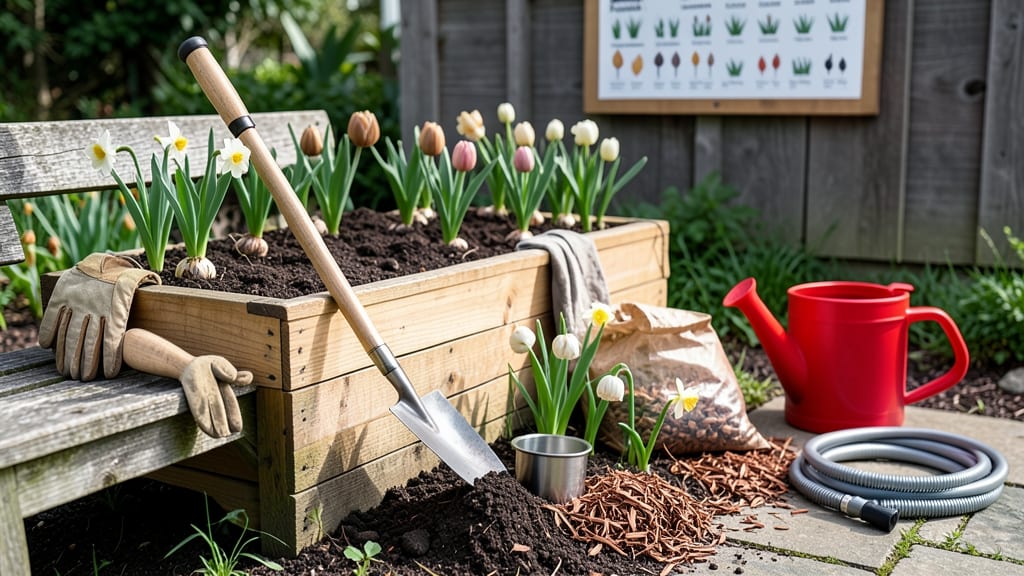
Timing your bulb planting in Portland, Oregon isn't just about the calendar—it's about matching your 🌷 varieties to the city's famously unpredictable frost patterns and chill-hour requirements.
With USDA Zone 8a's mild winters, you've got a narrow window to plant for vibrant spring blooms, whether you're dreaming of tulips or daffodils.
Most gardeners here know the basics—fall is prime time—but what you might not realize is how microclimates (like urban heat islands or coastal breezes) can shift your ideal planting dates by weeks.
I've tested these strategies myself, and the difference between a zero-frost success and a failed bloom season often comes down to knowing exactly when to get those bulbs in the ground.
In this guide, I'll break down Portland's chill-hour zones and show you how to align your planting schedule with local frost data. We'll cover everything from late October deadlines**> for fall bulbs to February adjustments for spring varieties, plus pro tips to protect your investment against late frosts.
Ready to transform your garden into a year-round showstopper? Let's dive into the exact timing and techniques that'll have your bulbs thriving—no matter what Portland's weather throws your way.
Portland’s chill-hour zones: matching bulbs to your microclimate
Portland’s USDA Zone 8a climate creates a unique challenge for bulb gardeners. Unlike colder regions, we don’t get the deep freeze needed for many traditional bulbs. Instead, we rely on chill hours—the total hours below 45°F (7°C)—to trigger blooming.
Most Portland gardens accumulate 500-1,000 chill hours annually, which perfectly suits daffodils, tulips, and alliums.
The key is selecting bulbs that match your specific microclimate. Urban areas like Downtown Portland often experience urban heat islands, reducing chill hours by 10-20%.
Meanwhile, coastal areas near Sauvie Island may get extra chill hours from ocean breezes. Always check the chill-hour requirements on your bulb packaging before planting.
| Bulb Type | Chill Hours Needed | Portland Suitability | Best Microclimate |
|---|---|---|---|
| Daffodils (Narcissus) | 300-600 hours | Excellent | Urban & Coastal |
| Tulips (Tulipa) | 500-700 hours | Good (choose early bloomers) | Cooler suburban areas |
| Hyacinths (Hyacinthus) | 600-900 hours | Moderate (may need protection) | North Portland (cooler) |
| Alliums (Allium) | 400-800 hours | Excellent (drought-tolerant) | All microclimates |
| Crocus (Crocus) | 200-400 hours | Best for early blooms | Urban heat islands |
For urban gardeners, consider low-chill varieties like ‘Tête-à-Tête’ tulips or ‘Ice Follies’ daffodils, which thrive with 300-400 chill hours. These varieties are bred to bloom reliably in Portland’s milder winters without needing extra protection.
Always plant bulbs 6-8 weeks before ground freeze—typically late October to mid-November—to give roots time to establish.
If you’re in a cooler microclimate like Forest Park, you can push planting into early December for bulbs like hyacinths, which need more chill hours. Use a soil thermometer to monitor temperatures—aim for 50-60°F (10-15°C) at planting depth (6-8 inches deep) for best results.
Another trick for urban heat islands is to plant bulbs in shadier spots or near evergreen trees, which can reduce soil temperatures by 5-10°F.
This helps bulbs accumulate the chill hours they need without risking frost damage. Pair daffodils with ferns or hostas for natural shade and moisture retention.
For coastal gardeners, embrace bulbs that love moist, well-draining soil, like wild daffodils (Narcissus pseudonarcissus). These thrive in Sauvie Island’s cooler, wetter conditions.
Just avoid planting in waterlogged areas, as bulbs rot in soggy soil. Amend clay soil with compost or sand to improve drainage before planting.
One common mistake is assuming all tulips will bloom in Portland. Many Dutch tulips need 900+ chill hours, which we rarely get. Instead, opt for species tulips like Tulipa tarda or Tulipa clusiana, which bloom reliably with 400-600 chill hours.
These wild-type tulips often produce earlier, longer-lasting blooms and attract pollinators.
To extend your bulb season, consider layered planting. Plant crocus in October for early winter color, then add tulips in November, followed by daffodils in December. This creates a staggered bloom from February to May, giving you
Frost-free planting windows: when to plant for maximum bloom success
In Portland, timing your bulb planting to avoid late frosts and early thaws is everything. The average first frost arrives around October 15, but urban areas like downtown Portland can experience frost 2-3 weeks later due to the heat island effect.
For fall-planted bulbs, aim to finish planting by December 1 to ensure roots establish before winter sets in.
Most spring-blooming bulbs (like tulips and daffodils) need 6-8 weeks of cool soil before dormancy. Plant them between September 15 and November 15—this window accounts for Portland’s variable chill hours (500-1,000+ hours).
For early spring varieties (e.g., crocuses), you can plant as late as January-February, but avoid planting after February 15 to prevent frost damage.
🌱 Portland Bulb Planting Timeline
- Late August-Early September: Plant summer bulbs (e.g., dahlias) for late-season blooms.
- Mid-September-November 15: Fall bulb planting window—ideal for tulips, daffodils, hyacinths.
- December 1-January 31: Late-planting window for hardy bulbs (e.g., snowdrops, crocuses).
- February 1-March 15: Spring bulbs (e.g., alliums, fritillaries)—risky but possible with frost protection.
Protect early plantings with mulch (4-6 inches) or frost cloth if temperatures dip below 32°F. Urban gardens often stay 5-10°F warmer than rural areas, so adjust your timeline accordingly.
For example, West Portland’s coastal influence may delay frost until November 1, while East Portland’s inland microclimate can see frost as early as October 1.
If you miss the fall window, don’t despair—spring planting is an option for hardy varieties like daffodils and alliums. Plant them in January-February and water consistently to encourage root growth before blooming season. Just be prepared to monitor forecasts for unexpected late frosts in March.
For container gardening, plant bulbs in late fall (November) and move pots to a protected location (e.g., garage or shed) if frost is forecasted. This extends your planting window and reduces risk. Always use well-draining soil to prevent bulb rot, especially in Portland’s wet winters.
Use Oregon State University’s frost maps (available via their Extension Service) to track real-time frost risks. Local nurseries like Portland Nursery also offer microclimate-specific advice—ask about chill-hour requirements when selecting bulbs. With the right timing, your garden will burst into color from March through June! 🌷