
Planting
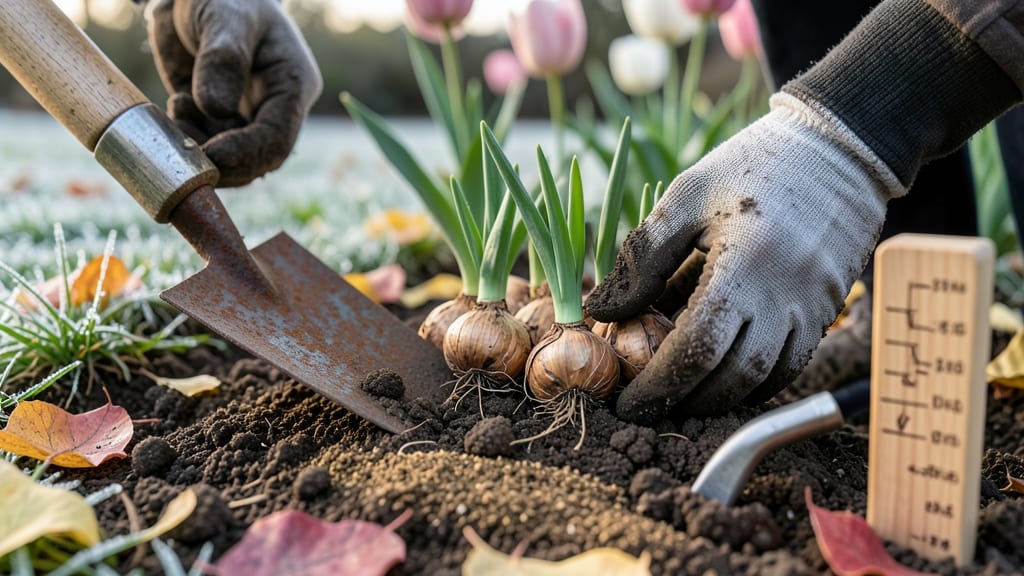
Timing your bulbs (general) planting can make or break your garden’s spring show—plant too early, and they’ll rot; too late, and you might miss the bloom entirely.
For gardeners in USDA Zone 6a, where frost dates swing dramatically between October and April, getting it right means the difference between a 🌷 explosion of color and a sad, empty flowerbed.
Most bulbs need that 6-8 week window before the first frost to establish roots, but not all follow the same rules. Tulips and daffodils crave fall planting, while summer-flowering dahlias demand spring action.
Even the soil temperature plays a role—too warm, and your bulbs won’t wake up when you want them to.
I’ve planted hundreds of bulbs over the years, and the key is understanding your local frost dates, chill-hour needs, and the exceptions that break the rules.
Whether you’re a first-time gardener or a seasoned pro, this guide will help you time it perfectly so your garden bursts into bloom exactly when you’ve been dreaming of it.
Let’s break down the must-know timing tricks, from calculating frost dates to adjusting for microclimates, so you can plant with confidence—and enjoy a garden that feels like a year-round masterpiece.
Chill-hour requirements for popular bulbs: the hidden secret to perfect timing
Most gardeners know to plant bulbs in fall for spring blooms, but did you know chill-hour requirements determine whether your tulips or daffodils will thrive? These cold exposure needs vary wildly—some bulbs need as few as 300 chill hours, while others demand 1,500+ hours of temperatures below 40°F.
Planting at the wrong time means bulbs may never bloom or could rot before flowering.
Understanding your USDA zone and local frost dates is just the first step. For example, tulips and hyacinths typically need 1,000-1,500 chill hours, while daffodils often get by with 500-1,000 hours.
In warmer zones (like Zone 8-10), you might need to plant earlier in fall or use cooling techniques to meet their needs.
Here’s the kicker: bulbs planted too late in fall may not get enough cold exposure, while those planted too early could sprout and freeze. The key is balancing soil temperature (ideally 60°F or below) with your local frost forecast.
In Zone 5-7, aim for 6-8 weeks before first frost—usually October to early November.
Now, let’s break down the chill-hour needs for your favorite bulbs and how they translate to planting windows in different zones. This summary-table will help you match bulbs to your climate for foolproof blooms.
| Bulb Type | Chill-Hour Needs | Ideal Planting Window (Zone 5-7) | Notes |
|---|---|---|---|
| Tulips | 1,000–1,500 hours | October–November | Plant pointy end up, 6–8" deep. |
| Daffodils | 500–1,000 hours | September–October | Drought-tolerant; great for rock gardens. |
| Hyacinths | 1,200–1,500 hours | October–November | Fragrant but deer-resistant. |
| Crocuses | 300–600 hours | September–October | Early bloomers; plant shallow (2–3"). |
| Alliums | 800–1,200 hours | September–October | Unique globular flowers; great for cut arrangements. |
If you’re in a warmer zone (Zone 8-10), some bulbs like tulips may need a cooling trick. Try planting them in late fall or using a refrigerator trick (store bulbs in a bag of moist peat moss at 35–40°F for 8–10 weeks before planting).
This mimics winter chill and can trick bulbs into blooming on schedule.
For spring-planted bulbs (like caladiums or dahlias), chill-hour needs are less critical—these bulbs thrive when planted in spring after frost. However, they still benefit from a cool dormancy period.
Store them in a cool, dark place (like a garage) over winter before planting in April or May.
Pro tip: Use a soil thermometer to check temperatures before planting. Bulbs should go into cooler soil (60°F or below). If your soil is still warm, wait a few weeks or plant in a shady spot to slow sprouting until temperatures drop.
Remember, bulb health starts with the right chill. Skip this step, and you might end up with skinny stems and fewer flowers—or worse, no blooms at all. But get it right, and you’ll have a garden bursting with color year after year.
Next, we’ll dive into frost-date hacks to fine-tune your planting schedule like a pro—because even the best-laid plans can go awry with unpredictable weather. 🌱
Frost-date hacks: how to time bulb planting like a pro gardener
Nailing the perfect frost-date window for bulb planting isn’t just about guessing—it’s about reading your local climate like a pro. In USDA Zone 6a, where I garden, the first frost typically arrives around October 15, but that date can shift by weeks depending on your microclimate.
A sheltered south-facing bed might stay warm enough for bulbs a week longer than an exposed north side, so always check your specific zone’s average frost dates from your local extension office.
Most gardeners follow the 6-8 week rule: plant bulbs that time before the first frost. For Zone 6a, that means aiming for late September to early October. But if you’re in a warmer microclimate or a later-frost zone, you might push planting into early November.
The key is ensuring bulbs have 4-6 weeks of root growth before winter sets in—this gives them the strength to burst into bloom next spring.
Here’s my foolproof method: Use a soil thermometer to check when soil temps drop to 60°F (15°C) at a 4-inch depth. This is your green light to start planting.
If your soil stays above this temp, wait a few more days. Cold soil speeds up root establishment, so don’t rush—patience here pays off with bigger, healthier blooms.