
Plants
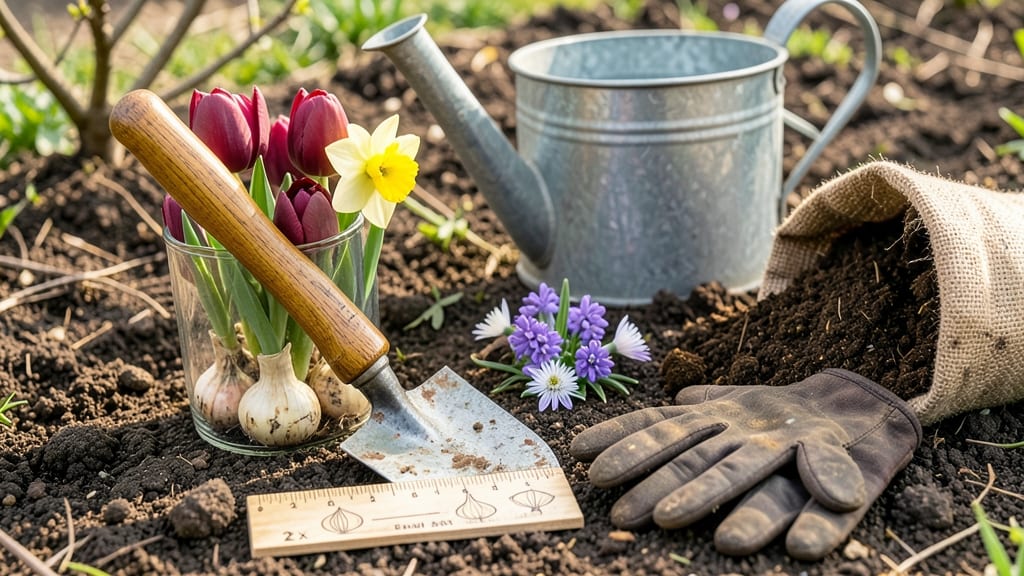
Planting bulbs in the South isn’t as straightforward as it seems—get the timing wrong, and your spring blooms might never make an appearance. Unlike cooler climates, Southern gardens (USDA Zones 7b-10a) have unique challenges, like unpredictable late frosts or scorching summers, that can derail even the most eager gardener’s plans.
If you’ve ever wondered why your tulips or daffodils failed to bloom, the answer likely lies in when you planted them. The key isn’t just following a generic fall schedule—it’s about understanding your specific zone’s frost patterns and adjusting your timeline accordingly.
For example, in Zone 9a, planting in late fall might be too early, while Zone 7b needs bulbs in the ground by November.
What if I told you there’s a zero-frost strategy that works for Southern gardens? Whether you’re in the Gulf Coast or the Deep South, the right planting window can mean the difference between a vibrant spring display and a disappointing flop.
Let’s break down the best months to plant by variety so you can enjoy 🌱 blooms year after year without the guesswork.
From soil prep to mulching tips, I’ll share the most important adjustments Southern gardeners need to make—so you can skip the common mistakes and focus on what really matters: a garden bursting with color. Ready to learn how?
Best months to plant bulbs in Southern climates by variety
Unlike cooler climates where fall planting is the golden rule, the Southern U.S. (zones 7b–10a) offers flexibility—but timing is still critical. Most spring-blooming bulbs (like tulips and daffodils) thrive when planted in late fall or early winter, while summer-blooming varieties (like dahlias) go in early spring.
The key? Avoid planting too early when soil stays warm, which can trigger premature sprouting.
In Zone 7b–8a (e.g., Atlanta, Birmingham), aim for October–November planting. For Zone 9a–10a (e.g., Houston, Miami), shift to December–January to escape heat stress. Native Southern bulbs like rain lilies or spider lilies often tolerate broader windows, but imported varieties need precision.
🌱
| Bulb Variety | Best Planting Months (South) | Key Notes |
|---|---|---|
| Tulips | October–November (Z7b–8a) / December–January (Z9a–10a) | Needs cool dormancy; mulch after planting. |
| Daffodils | November–December (all zones) | Tolerates heat better than tulips; plant deeper (8"–10"). |
| Crocuses | October–November (Z7b–8a) / December (Z9a–10a) | Early bloomers; shade-tolerant in hot zones. |
| Hyacinths | November–December (Z7b–8a) / January (Z9a–10a) | Fragrant but heat-sensitive; plant in partial shade. |
| Summer-Blooming (Dahlias, Lilies) | February–March (all zones) | Wait until soil warms (60°F+); mulch heavily. |
| Rain Lilies (Native) | September–October (Z7b–10a) | Drought-tolerant; blooms after rain in summer. |
For Zone 9a–10a, late fall planting (December–January) is ideal because soil stays warm longer. If you miss this window, early spring planting (February–March) works for summer-blooming bulbs like lilies or cannas. Just ensure soil temperatures drop below 70°F to prevent rot.
Pro tip: Use a soil thermometer to confirm 60°F soil temps—the sweet spot for root establishment. In Zone 7b, plant by November 15 to avoid early freezes, while Zone 10a gardeners can plant as late as January 15.
🌿
Native Southern bulbs like spider lilies (Hymenocallis) or blue-eyed grass are far more forgiving. They thrive with minimal care and often bloom year after year. For imported varieties, mulching with 2–3 inches of straw after planting helps regulate soil temps and retain moisture during dry Southern winters.
Remember: Overwatering is a common mistake in the South. Bulbs rot in soggy soil, so prioritize well-draining soil and reduce watering once shoots appear. A drip irrigation system set on a timer is your best friend for consistent moisture without waste.
☀️
Southern-specific tips for planting bulbs without frost damage
In the South, late freezes can still sneak up—even in USDA Zones 7-10. The key to success is planting bulbs at the right time and using protective strategies tailored to your region.
Unlike Northern gardens, where fall planting is straightforward, Southern gardeners must account for warm winters and unpredictable frost dates.
For most Southern zones, aim to plant bulbs between October and December, but adjust based on your last frost date. For example, in Zone 9a, you might plant as late as January, while Zone 7b requires earlier planting to avoid winter damage.
Always check your local frost calendar for precision.
Here’s how to protect your bulbs from late freezes and heat stress, ensuring vibrant blooms next spring.
Mulching is non-negotiable in Southern climates. Apply a 3-4 inch layer of mulch after planting to insulate bulbs from temperature swings. Organic mulches like pine straw or shredded leaves also improve soil moisture retention, which is critical during dry Southern winters.
For regions with hot summers, like Zone 9b-10a, consider planting bulbs in partial shade or under deciduous trees. This mimics their natural habitat in Mediterranean climates and prevents heat stress. Avoid full sun exposure during peak summer months, especially for tulips and hyacinths, which are less heat-tolerant.
Finally, monitor your garden for late freezes. If a 28°F frost warning appears in your forecast, cover bulbs with frost cloth or blankets. Remove the cover during the day to prevent overheating. With these strategies, your bulbs will thrive year after year, even in the South’s unpredictable climate.