
Companion Plants
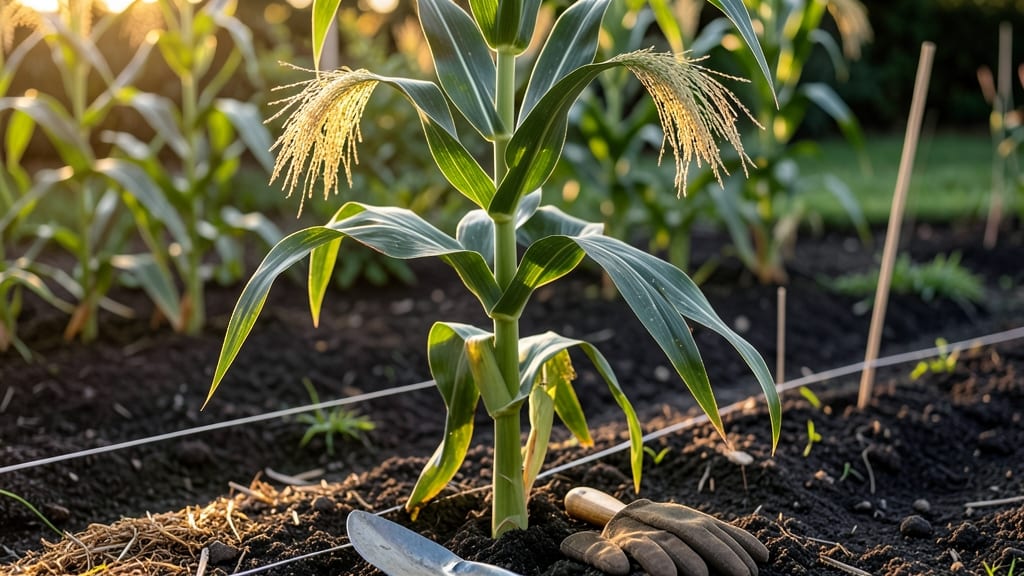
Timing your 🌽 corn planting in Pennsylvania can make or break your harvest—get it wrong, and you might end up with stunted plants or missed opportunities. The mid-April to early June window isn’t just a suggestion; it’s a critical deadline tied to your local microclimate and frost dates.
Pennsylvania’s USDA zones 5b-7a create real differences in when you should plant, with northern regions needing to wait longer than southern areas. Even a few days off can mean the difference between a thriving crop and wasted seeds.
I’ll break down exactly when to plant based on your specific zone, plus how to adjust for early or late varieties. You’ll also learn how to extend the growing season with simple tricks like row covers or mulch.
Whether you’re a first-time gardener or a seasoned pro, these Pennsylvania-specific tips will help you maximize your corn yield—no guesswork required.
PA corn planting deadlines by hardiness zones (5a-7a)
Pennsylvania's diverse microclimates mean your corn planting window can shift by weeks depending on whether you're in Zone 5a (northwest) or Zone 7a (southwest). The key is planting when soil temperatures hit 60°F and frost risk has passed—typically 2 weeks after the last average frost date.
In most of PA, this falls between mid-April and early June, but cooler zones like Erie need to wait until late May.
For southern PA (Zones 6b-7a), you can start as early as mid-April if you use black plastic mulch to warm the soil. Meanwhile, north-central PA (Zones 5b-6a) gardeners should hold off until early May to avoid late spring frosts that can kill tender seedlings.
The Poconos and Allegheny regions (Zone 5a) often wait until late May for safety.
Here’s the breakdown you need to avoid frost damage or stunted growth:
| Zone | Last Avg. Frost | Ideal Planting Window | Soil Temp. for Germination | Notes |
|---|---|---|---|---|
| 5a (Erie, NW PA) | May 15 | Late May | 60°F+ | Use row covers for early starts |
| 5b-6a (State College, Harrisburg) | April 20-May 5 | Early May | 60°F+ | Black plastic mulch speeds germination |
| 6b-7a (Philadelphia, Pittsburgh) | April 10-20 | Mid-April to early May | 55°F+ (earlier starts possible) | Longer growing season allows late June plantings |
Pro tip: Check your local Penn State Extension office for hyper-local frost data, as urban areas like Philadelphia can be 3-5°F warmer than rural spots just 20 miles away. For example, Reading (Zone 6b) might see earlier last frosts than Lancaster (Zone 7a) due to microclimate variations.
If you’re planting early varieties like 'Early Sunglow' (60-day maturity), you can push the envelope in Zone 7a by starting seeds indoors in March and transplanting after frost. Just be ready to cover seedlings if nighttime temps dip below 50°F.
For longer-season varieties (90+ days), stick to the mid-May window to ensure harvest before first frost.
One mistake I see often is planting based on calendar dates rather than soil temperature. Corn seeds won’t germinate below 50°F, and waiting for 60°F ensures faster, more uniform sprouting. Use a soil thermometer—it’s a $10 investment that saves weeks of frustration.
For northern PA gardeners, consider succession planting every 2 weeks from May through June to stretch your harvest. This works because corn’s short shelf life (ears last 5-7 days post-harvest) means you’ll always have fresh ears. Just remember: late plantings (after June 15) risk immature ears before frost.
Finally, humidity plays a role in PA. In western PA, drier air means less fungal pressure on corn, while eastern PA’s higher humidity can lead to corn smut if plants stress from overwatering.
Adjust your watering schedule based on rainfall—aim for 1-2 inches per week during tasseling (when pollen forms).
PA corn planting deadlines by hardiness zones (5a-7a)
Pennsylvania's microclimates create dramatic differences in corn planting windows. The Keystone State spans USDA Zones 5a-7a, meaning your last frost dates can vary by 3-4 weeks from north to south.
For example, Erie (Zone 5b) typically waits until mid-May, while Philadelphia (Zone 7a) can plant as early as late April. Understanding these zone-specific deadlines ensures your corn has enough frost-free days to mature properly.
Corn needs at least 90-120 days from planting to harvest, depending on the variety. Since Pennsylvania's growing season ranges from 140-180 frost-free days, timing is critical. Planting too early risks frost damage to young seedlings, while late planting may result in immature ears before the first frost.
The ideal soil temperature for germination is 60°F or warmer, which typically aligns with late April to early June across most of the state.
🌽 PA Corn Planting Deadlines by Zone
| Zone | Last Frost Date | Planting Window | Soil Temp | Harvest Window |
|---|---|---|---|---|
| 5a (Erie, Altoona) | May 10-20 | May 15-June 5 | 60°F+ | Late Aug-Oct 10 |
| 5b (State College, Scranton) | May 1-10 | May 10-June 1 | 60°F+ | Late July-Oct 1 |
| 6a (Harrisburg, Lancaster) | April 20-May 5 | April 25-May 25 | 60°F+ | Early July-Sept 20 |
| 7a (Philadelphia, Pittsburgh) | April 10-20 | Late April-Early June | 60°F+ | Mid-June-Oct 15 |
*Harvest windows assume 90-day varieties; adjust for early/late types.
For northern PA (Zones 5a-5b), focus on short-season varieties like 'Early Sunglow' (78 days) or 'Silver Queen' (85 days). These early-maturing types give you the best chance to harvest before fall frosts hit in early October.
In contrast, southern PA (Zones 6a-7a) can handle slightly longer varieties like 'Peaches and Cream' (95 days) or 'Bodacious' (100 days), allowing for a second planting in early June for a late-summer harvest.
One critical rule across all zones: wait at least 2 weeks after your average last frost date before planting. Young corn seedlings are extremely frost-sensitive and will die if temperatures drop below 32°F.
Use your local Cooperative Extension office (like Penn State Extension) for hyper-local frost data, as microclimates can shift frost dates by up to 2 weeks even within the same city.
Pro tip: Monitor soil temperature with a soil thermometer—corn won't germinate well below 50°F, even if air temperatures are warm. In cooler zones (5a-5b), consider using black plastic mulch to warm the soil 2-3 weeks earlier than bare ground.
This trick can push your planting window back by 10-14 days in marginal climates.
Remember, late plantings (after June 1) in Pennsylvania often result in smaller ears and lower yields, even with fast-maturing varieties. Balance your planting date with your harvest goals