
Plants
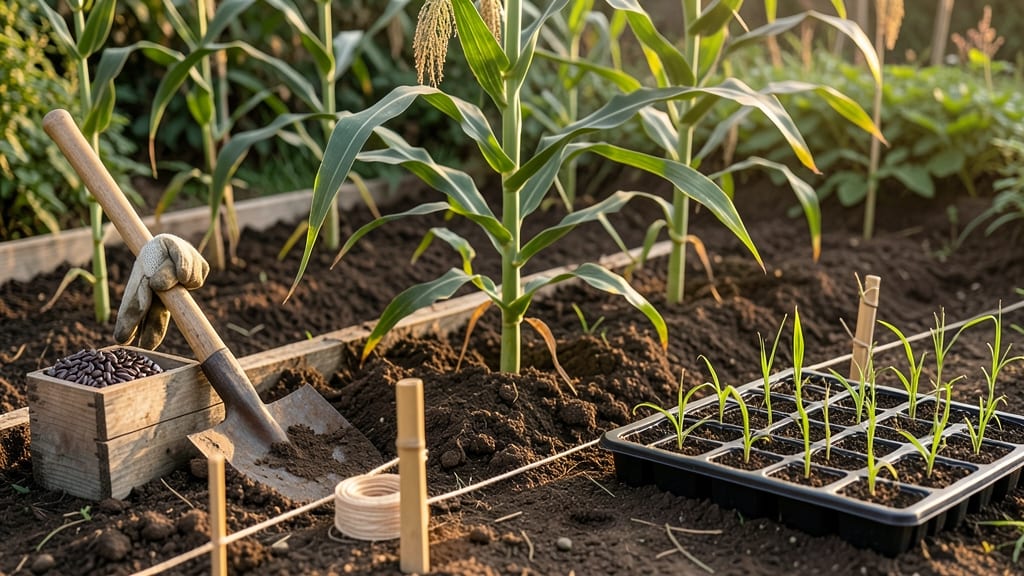
Planting corn in Washington State isn’t one-size-fits-all—your timing depends on whether you’re in the rainy Puget Sound or the dry Columbia Basin. Get it wrong, and you might end up with frost-nipped seedlings or corn that never matures.
But with the right approach, you can enjoy a zero-frost-risk harvest from summer to fall, no matter where you garden.
Washington’s microclimates create a 100+ day difference in planting windows, so blindly following generic advice won’t cut it. Coastal areas like the Puget Sound need to wait for the last frost to pass, while Eastern WA’s hotter zones can plant earlier.
I’ll break down the exact timing for each region, so you can avoid common mistakes and maximize your yield.
The key is knowing when your soil is warm enough—50°F or above—and adjusting for your local frost dates. Whether you’re a backyard gardener or a small-scale farmer, these insights will help you plan for successive plantings and extend your harvest season.
Let’s dive into the details so you can grow corn like a pro.
From soil prep to variety selection, I’ll cover everything you need to know to make the most of Washington’s growing conditions. With the right timing, you’ll be enjoying fresh, homegrown 🌽 all season long—no matter which part of the state you’re in.
Washington State corn planting zones: when to start seeds by region
Washington State’s three distinct climate zones dictate corn planting schedules that can differ by up to 120 days. In the coastal Puget Sound, chill air lingers until late May, while the Columbia Basin warms enough by mid-April for early planting.
Even within zones, urban heat islands and wind exposure can shift your ideal window by weeks.
To avoid frost damage or stunted growth, align your planting with last-frost dates and soil temperature thresholds. Corn seeds need soil at 50°F+ to germinate reliably—cooler temps delay sprouting or cause rot.
Below, I’ll break down exact planting windows for WA’s key regions, plus how to adjust for microclimates.
| Region | Last Frost Date | Ideal Planting Window | Soil Temp Threshold | Microclimate Adjustments |
|---|---|---|---|---|
| Western WA (Puget Sound) | Mid-May | Late May - Early June | 55°F+ (soil) | Urban areas: 1-2 weeks earlier; windy coastal spots: delay 1 week |
| Eastern WA (Palouse) | Early May | Mid-April - Late May | 50°F+ (soil) | High desert: plant early; river valleys: delay until soil warms |
| Columbia Basin | Late April | Mid-April - Early May | 50°F+ (soil) | Irrigated areas: plant earliest; dryland: wait for moisture |
| Cascade Foothills | Late May - Early June | Early June - Mid-June | 55°F+ (soil) | South-facing slopes: 1 week earlier; north-facing: delay 2 weeks |
For Western Washington, aim to plant corn 2-3 weeks after your average last frost date. In Seattle or Bellingham, this typically means late May to early June.
Use row covers if planting early to protect tender seedlings from late frosts, which can occur as late as May 15th in some years.
In Eastern Washington, the Palouse region offers the earliest planting windows, with mid-April suitable for drought-tolerant varieties. The Columbia Basin follows closely, where irrigated fields can start as early as late March if soil temps are stable.
Always verify with your local WSU Extension office for year-specific frost forecasts, as Pacific weather patterns shift annually.
Urban gardeners in Spokane or Yakima should plant 1-2 weeks later than rural areas due to heat island effects. Conversely, high-elevation areas like Leavenworth may need to delay until June 1st to avoid frost.
Test your soil temperature with a soil thermometer—corn seeds won’t germinate below 50°F, and 55°F+ ensures faster growth.
Pro tip: Use black plastic mulch to warm soil 5-10°F faster in cooler zones. This lets you plant 2-3 weeks earlier without risking frost damage. Pair it with early-maturing varieties like 'Golden Bantam' (60 days) for guaranteed harvests before fall frosts.
Remember, succession planting is key in WA’s short growing season. Space second plantings 2-3 weeks apart to stretch your harvest from July through September. In Eastern WA, you might even squeeze in a third planting by early July for a fall crop.
For direct sowing, plant seeds 1 inch deep and 12 inches apart in rows 3 feet apart. Thinner spacing improves air circulation, reducing corn smut risk—a common fungal issue in WA’s humid summers. Water deeply after planting to settle seeds and encourage strong root development.
If you’re starting seeds indoors, begin 4-6 weeks before your region’s last frost date. Use biodegradable pots to avoid transplant shock, and harden off seedlings for 3-5 days before moving them outdoors. Transplant when seedlings are 6 inches tall and soil temps are consistently 60°F+.
🌽
Signs your Washington soil is ready for corn (and how to fix common mistakes)
Planting corn in Washington State isn’t just about checking a calendar—it’s about reading your soil’s signals. Cold, damp soil can smother seeds, while dry, rocky ground stunts root growth. The key is waiting for soil temperatures of 50°F+ and proper moisture balance before dropping those kernels into the earth.
First, test your soil temperature with a simple soil thermometer. Corn roots need warmth to germinate, and WA’s spring can be deceptive—especially in cooler Puget Sound areas. If your soil is below 50°F, even after the last frost, your seeds will rot instead of sprout.
🌱 Visual Element: Callout-Warning
- Cold soil (<50°F) = seeds rot
- Hard/clay soil = poor root penetration
- Waterlogged ground = fungal diseases
Next, check for moisture balance. Stick your finger 2 inches into the soil—it should feel damp but not soggy. If it’s bone-dry, water deeply 24 hours before planting. In Eastern WA’s dry zones, irrigation may be needed to kickstart germination.
Washington’s soils often need adjustments. If your soil is acidic (pH below 6.0), mix in lime to raise pH to 6.0–7.0. For compacted urban soil, till in compost or aged manure to loosen the earth and improve drainage.
Finally, observe your local microclimate. Urban areas like Seattle may need to wait until late May or June, while Columbia Basin gardens can plant as early as mid-April. Always plant after the last frost date for your zone—WSU Extension provides free frost maps to guide you.
With these checks, your corn will sprout strong, avoiding the common WA pitfalls of late planting or soil-related failures. Happy growing! 🌾