
Plants
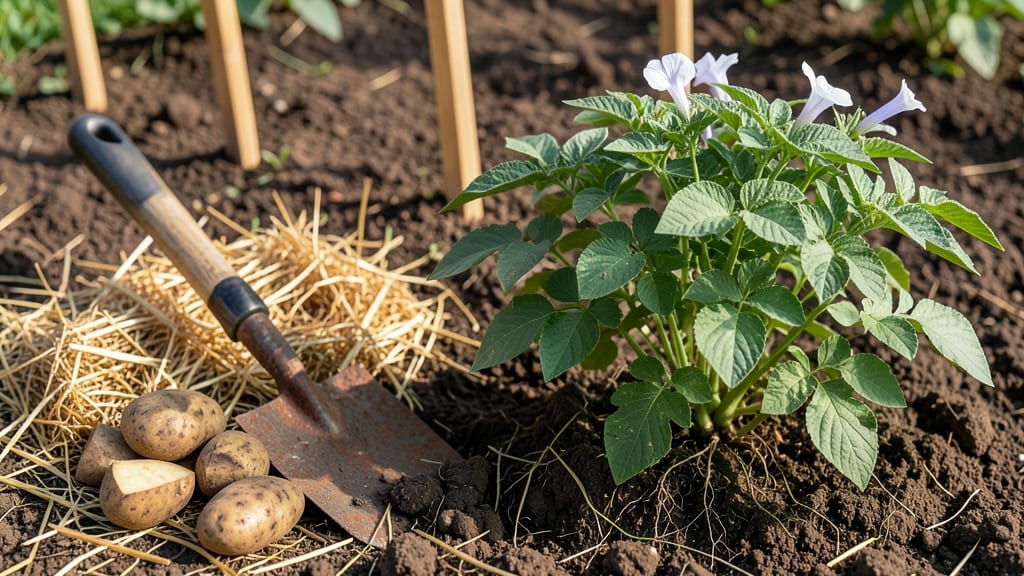
If you're wondering when do you plant potatoes in Zone 6, the answer isn't as simple as "spring" - it's about mastering the cold-soil trick that gives your 🥔 a head start.
Zone 6 gardeners face a tight window between frost risks and peak harvest timing, but planting too early can mean frozen sprouts while waiting too late cuts your growing season short.
The secret lies in understanding your specific sub-zone (6a vs. 6b) and soil temperatures - you'll want to plant when soil reaches 45°F, typically 2-4 weeks before your last expected frost date.
This cold-soil method actually helps accelerate sprouting, giving you a jump on the growing season that makes all the difference for a bountiful harvest.
For Zone 6 gardeners, this usually means getting your seed potatoes in the ground between late March and early April, with early varieties offering flexibility for even earlier planting. The key is balancing frost protection with warm soil conditions that encourage strong root development from day one.
I'll show you exactly how to time your planting, which varieties work best in your specific sub-zone, and the cold-soil techniques that can shave weeks off your growing season. Let's get your potatoes off to the fastest possible start.
Optimal planting windows for potatoes in Zone 6 (with cold-soil hack)
Potatoes thrive in Zone 6 when planted at the perfect moment—typically 2-4 weeks before your last frost date, which usually falls around mid-April in most areas. However, the cold-soil trick lets you plant earlier than traditional timelines, giving you a jumpstart on the growing season.
This method works because potatoes can sprout in 45°F soil, even when air temperatures are still chilly.
Most gardeners in Zone 6a-6b aim to plant potatoes between late March and early April. But if you’re using the cold-soil technique, you can start as early as mid-February in protected beds or raised gardens.
The key is ensuring your soil is workable and well-draining, even if it’s not fully thawed. Cold soil prevents early sprouts from rotting, which is a common issue when planting too soon.
For early varieties like Yukon Gold or Red Norland, you can even plant in late February if you use mulch or row covers to protect young plants. These varieties mature in 70-90 days, making them ideal for a quick harvest before summer heat sets in.
Meanwhile, late-season varieties like Kennebec or Russet can wait until early April for a fall harvest.
Here’s the golden rule: Wait until the soil temperature reaches 45°F at a depth of 4 inches. You can check this with a soil thermometer or by pressing your finger into the soil—if it feels cool but not icy, it’s ready.
Planting too early in cold, wet soil risks rot, while planting too late may result in smaller yields due to shorter daylight hours.
Potato Planting Timeline for Zone 6
| Stage | Action | Soil Temp | Notes |
|---|---|---|---|
| Late February | Chit seed potatoes indoors (early varieties) | 60-65°F | Place near sunny window |
| Mid-March | Prepare garden bed (add compost) | 40-45°F | Use raised beds for cold soil |
| Late March | Plant early varieties (cold soil method) | 45°F+ | Cover with mulch or row fabric |
| Early April | Plant mid/late varieties | 50°F+ | Wait for soil to warm |
| May-June | Hill soil around stems (repeat 3x) | 55°F+ | Prevents greening of tubers |
| July-August | Harvest new potatoes (early varieties) | 60°F+ | Dig small tubers first |
One of the biggest mistakes I see is planting potatoes too deep. While they need 4 inches of soil coverage, burying them deeper can lead to smaller tubers forming lower in the soil. Instead, plant them shallow at first and hill soil around the stems as they grow.
This encourages larger tubers to form along the buried stems. For raised beds, you can even plant potatoes on the surface and mound soil around them as they grow—this is especially useful in cold climates where soil warms slowly.
If you’re in the northern part of Zone 6 (like Zone 6a), aim for late March
Optimal planting windows for potatoes in Zone 6 (with cold-soil hack)
In Zone 6, potatoes thrive when planted at the right time—typically 2-4 weeks before your last frost date, which usually falls around mid-April. However, the cold-soil trick lets you plant even earlier, as long as soil temps stay above 45°F.
This method gives you a head start on the growing season, ensuring a bountiful harvest before summer heat sets in.
For most of Zone 6, the ideal planting window spans from late March to early April. Early varieties like Yukon Gold can even be planted in late February if you use the cold-soil technique.
Late varieties, such as Red Pontiac, should wait until mid-April to avoid frost damage to young sprouts.
| Planting Window | Soil Temperature | Best Varieties | Harvest Time |
|---|---|---|---|
| Late February - Early March | 45°F+ (cold-soil) | Early: Red Norland, Early Rose | 70-90 days |
| Mid-March - Early April | 50°F+ | Mid-season: Yukon Gold, Kennebec | 90-110 days |
| Mid-April - Early May | 55°F+ | Late: Red Pontiac, Fingerlings | 110-120 days |
If you're planting in northern Zone 6 (6a), aim for late March to early April to avoid late frosts. In southern Zone 6 (6b), you can start as early as February for early varieties.
Always check your local last frost date and adjust accordingly—planting too early in cold soil can stunt growth.
Pro tip: Use a soil thermometer to confirm temps are above 45°F before planting. If the ground feels too cold or wet, wait a week or two. Well-drained soil is critical—potatoes rot quickly in soggy conditions, so amend clay soil with compost or sand if needed.
For a second harvest, you can plant late-season varieties in late May to early June. These potatoes mature just in time for fall harvests, extending your growing season and reducing competition for space in your garden.
Timing isn’t just about frost—it’s also about daylength. Potatoes need 6-8 hours of sunlight daily, so planting too late in the season can lead to poor yields.
By following these windows, you’ll maximize your harvest and avoid common pitfalls like blight or scab, which thrive in warm, wet conditions.