
Plants
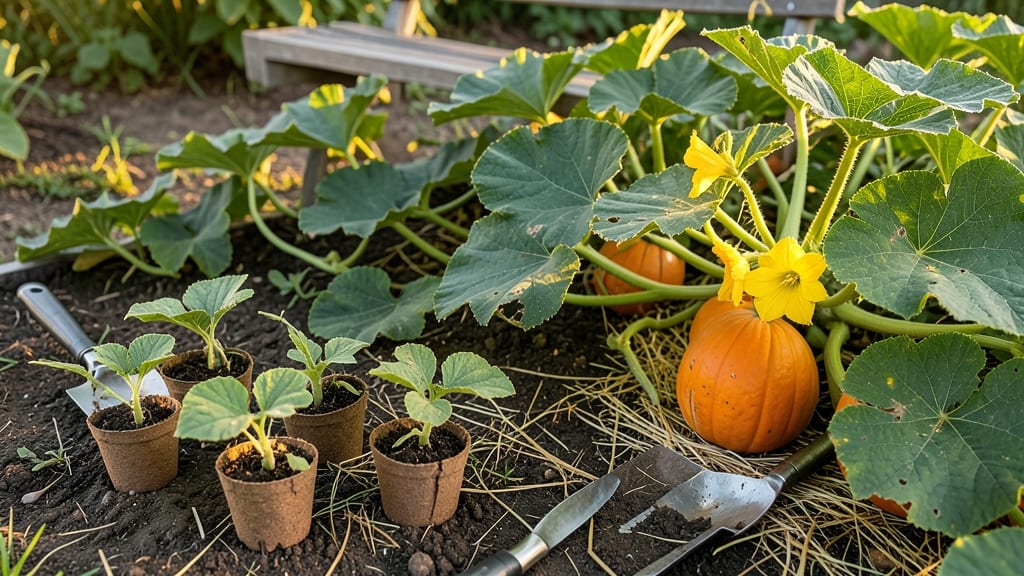
Timing your 🎃 pumpkin planting in California right could mean the difference between a thriving harvest and a disappointing flop—especially when coastal fog clashes with Central Valley heat.
The state’s diverse microclimates mean your neighbors might be planting months apart from you, and getting it wrong could leave your vines struggling or your fruit stunted.
If you’ve ever wondered why some gardeners swear by February starts while others wait until June, the answer lies in your specific region’s frost-free dates, soil temperatures, and summer heat patterns.
Whether you’re in USDA Zone 9 (like the Central Valley) or Zone 10 (coastal areas), knowing the exact window for your area is the key to fast, healthy growth—and avoiding common mistakes that waste time and resources.
What you’re about to discover isn’t just a calendar—it’s a game-changer for California pumpkin growers. I’ll break down the best months to plant by region, share pro tips for handling unpredictable weather, and even recommend the fastest-growing varieties that thrive in 90–110 days.
Let’s get your pumpkins off to the right start.
Ready to turn your patch of soil into a pumpkin powerhouse? The secrets to bigger, faster harvests are just a few paragraphs away—no guesswork required.
California pumpkin planting calendar by region: coastal vs. desert vs. valley timelines
California’s microclimates create a puzzle for pumpkin growers—what’s perfect in coastal San Francisco (mild, foggy summers) fails in Bakersfield’s heat. The key? Planting windows shift 1–2 months between regions, tied to soil temperature (ideal: 60–90°F) and daylength.
Let’s break it down by zone so you can align your planting with California’s unpredictable but bountiful growing seasons.
Most California gardeners avoid winter planting—pumpkins need 90–120 frost-free days to mature, and even inland valleys get rare cold snaps in December. Instead, focus on spring planting (February–June), with adjustments for your specific climate.
Coastal areas can start earlier, while desert regions may need to rush to beat summer’s 110°F+ heat.
Here’s your region-by-region planting timeline, including soil prep tips and harvest windows to maximize your 🎃 yield.
Notice how desert regions plant earliest to escape summer’s 110°F+ temperatures, while coastal areas wait for fog to lift? This isn’t just about dates—it’s about soil warmth.
Use a soil thermometer ($10 at garden centers) to confirm 60°F+ before planting. Pro tip: Black plastic mulch warms soil 10–15°F faster in cooler zones like the coast.
For fastest growth, aim to plant when daylength exceeds 14 hours (late April–June). This triggers faster vine development and earlier flowering. In Southern California, you can even squeeze in a fall planting (July–August) for winter harvests, though yields may be smaller.
One critical mistake I see? Planting too late in hot inland valleys. By June, 100°F+ days can stop pollination, leading to blossom-end rot or under-sized pumpkins. If you’re in Zone
How to adjust pumpkin planting for California’s unpredictable weather patterns
California’s weather can throw curveballs—coastal fog delays germination, while Central Valley heatwaves scorch young plants. The key is adapting your planting strategy to match your microclimate.
For example, in San Francisco’s coastal fog, I’ve seen pumpkin seeds take 2 weeks longer to sprout compared to Bakersfield’s dry heat, where they pop up in just 5 days. Understanding these patterns helps you avoid common pitfalls like rotting seeds or wilting vines.
Start by checking your local soil temperature. Pumpkin seeds need soil at least 60°F (15°C) to germinate—cooler coastal areas may require black plastic mulch or row covers to warm the soil faster.
In inland valleys like the Central Valley, where temperatures can spike to 100°F+, I recommend planting earlier in February to beat the summer heat. This gives vines time to establish before the July-August scorcher hits.
Here’s a pro tip: If your region experiences late-spring rains (common in Northern California), stagger your planting. Sow a few seeds every 2 weeks from March to May. This ensures a steady harvest even if some plants get waterlogged or fungal diseases from prolonged dampness.
I’ve used this method in Sonoma County and doubled my yield by avoiding all-or-nothing planting failures.
🌱
⚠️ Watch Out for These California-Specific Risks
Coastal Fog: Delays germination by 7-14 days. Use clear plastic tunnels to trap heat.
Central Valley Heatwaves: Young plants wilt in 90°F+ temps. Provide shade cloth until vines mature.
Late-Spring Rains: Causes powdery mildew. Space plants 6 ft apart for airflow.
High Desert Cold Snaps: Rare but possible. Use frost cloth if temps dip below 32°F.
Another trick I swear by is soil warming. In cooler areas like Santa Barbara, I lay down black plastic mulch 2 weeks before planting to raise soil temps by 10-15°F. For organic gardeners, mixing in compost or aged manure can achieve the same effect.
In drought-prone regions like Riverside County, I’ve had success with drip irrigation set to water deeply twice a week instead of daily shallow watering, which reduces fungal risks.
If you’re in a high-altitude area (e.g., Mount Shasta), expect a shorter growing season. Choose fast-maturing varieties like ‘Jack Be Little’ (75 days) and plant in late April to avoid early fall frosts.
In contrast, Southern California’s desert regions (e.g., Palm Springs) can support year-round growth, but I still recommend a summer break in August to let the soil recover from heat stress.
Finally, don’t underestimate the power of observation. Keep a gardening journal to track when your pumpkins sprout, flower, and set fruit each year. Over time, you’ll spot patterns—like the 3-year cycle I noticed in Sacramento where pumpkins thrive best when planted after early March rains.
Adjust your schedule accordingly, and you’ll turn California’s quirks into your secret weapon for a consistent harvest. 🎃