
Plants
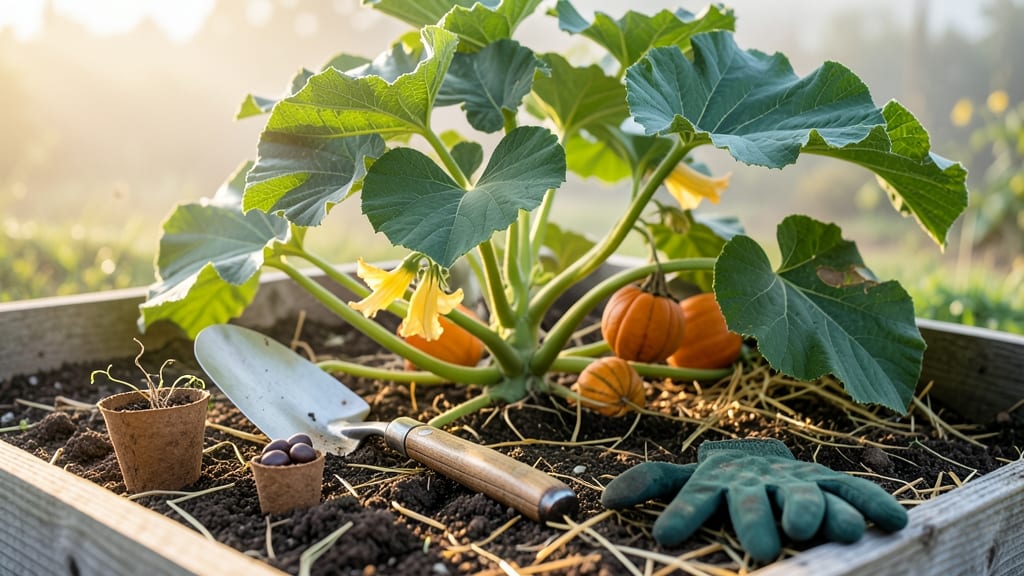
Planting pumpkins in Pennsylvania at the wrong time could mean the difference between a bountiful harvest and a sad, frost-nipped crop.
The perfect window for your 🎃 depends on your exact zone—whether you're in chilly 5b or milder 7a—and whether you're aiming for a fall harvest or an early summer surprise.
Most Pennsylvania gardeners know the basics: wait until after the last frost, usually mid-April to early June, but that's just the starting point. What you might not realize is how soil temperature and variety choice can make or break your pumpkin's success.
Too early, and your seeds won't germinate; too late, and you'll miss the sweet spot for mature fruit before frost hits again in October.
In this guide, I'll walk you through the exact planting timeline for your zone, including when to start seeds indoors versus sowing directly outside. You'll also discover how to extend your growing season with simple tricks that work even in Pennsylvania's unpredictable climate.
Let's get those pumpkins growing the right way!
Whether you're a first-time gardener or a seasoned pro, these insights will help you avoid common mistakes and maximize your yield. By the end, you'll know exactly when to plant for that perfect fall harvest—or even a second crop if you're feeling ambitious.
Ready to grow your best pumpkins yet?
Pennsylvania pumpkin planting calendar: exact dates by Zone 5-7
Pennsylvania’s USDA Zones 5b-7a offer a 160-day frost-free window, but even a single late frost can ruin your pumpkin crop. The key to success lies in planting at the right time—when soil temperatures hit 55°F+ and the last frost has passed.
For most of PA, this means mid-April to early June for spring planting, with a second chance in late June to early July for fall harvests.
Your planting window depends on your specific county and whether you’re sowing seeds directly or transplanting seedlings. In Zone 5b (e.g., Erie, Scranton), wait until May 1-15 to avoid frost damage, while Zone 7a (e.g., Philadelphia, Pittsburgh) can start as early as April 15-30.
Always check your local last frost date—PA’s varies wildly, from April 15 in the south to May 15 in the north.
Here’s your zone-by-zone breakdown for planting pumpkins in PA, including soil temperature thresholds and ideal transplanting timelines. Use this as your foolproof planting calendar to maximize yield and avoid frost-related failures.
| Zone | Last Frost Date | Soil Temp Threshold | Direct Sowing Window | Transplant Window | Fall Harvest Window |
|---|---|---|---|---|---|
| Zone 5b (Erie, Scranton) | May 1-15 | 55°F+ | May 15-June 15 | April 20-May 10 (start indoors) | Late Sept-Oct 15 |
| Zone 6a (Harrisburg, State College) | April 20-May 5 | 55°F+ | April 25-June 10 | April 1-May 1 (start indoors) | Late Sept-Oct 10 |
| Zone 7a (Philadelphia, Pittsburgh) | April 15-30 | 60°F+ (faster germination) | April 15-May 30 | March 20-April 15 (start indoors) | Oct 1-15 |
If you’re planting for a fall harvest, aim for late June to early July sowing. This gives pumpkins enough time to mature before the first frost, typically hitting PA between October 15-30.
For early varieties (like Jack Be Little), you can even harvest as early as late August—perfect for Halloween decorations!
For direct sowing, plant 3-4 seeds per hill, spacing hills 4-6 feet apart. Thin to the strongest plant once seedlings emerge. If transplanting, start seeds indoors 2-3 weeks before your last frost date, using biodegradable pots to avoid root disturbance.
Harden off seedlings for 7-10 days before moving them outdoors.
PA’s microclimates can create big differences in frost risk. Urban areas like Philadelphia often warm up faster than rural zones, while mountainous regions (e.g., Poconos) may face later frosts.
Always monitor local weather forecasts and adjust your planting timeline accordingly. A 5-day forecast of stable temps above 60°F is your green light to plant!
For extended growing seasons, consider black plastic mulch or row covers to warm the soil and protect young plants. These methods can push your planting window 2-3 weeks earlier and delay frost damage by 10-14 days.
I’ll cover these strategies in detail in the next section—stay tuned for zero-frost hacks that
How to extend your pumpkin growing season in Pennsylvania’s unpredictable climate
Pennsylvania’s flash frosts and unpredictable weather can derail even the most careful pumpkin gardener. But with the right strategies, you can extend your growing season by weeks—or even months—ensuring those perfectly ripe pumpkins make it to harvest time.
The key is combining protective barriers with smart planting schedules tailored to your zone.
In Zone 5, where frosts linger until mid-May, early varieties need extra protection. Meanwhile, Zone 7 gardeners can push fall harvests later by using season-extending tools. Whether you’re battling late springs or early autumn freezes, these methods will help you beat the frost and maximize your yield.
Here’s how I’ve successfully protected my pumpkins in PA’s tricky climate—using row covers, mulch, and even cold frames to safeguard my crop. Each method has trade-offs, so I’ll break down the cost, effort, and effectiveness of every option to help you choose what works best for your garden.
Season-Extending Methods for Pennsylvania Pumpkins
Row Covers (Frost Blankets)
Pros: Lightweight, reusable, easy to install. Extends season by 2-4 weeks.
Cons: Blocks sunlight slightly; may need staking to prevent collapse.
Best for: Early spring planting or fall harvests in Zone 5-6.
Black Plastic Mulch
Pros: Warms soil 10-15°F faster, speeds germination, suppresses weeds.
Cons: Requires removal for harvest; can overheat soil in summer.
Best for: Early spring planting in cooler zones (5b).
Cold Frames
Pros: Extends season by 4-6 weeks on both ends. Protects from light frosts.
Cons: Expensive upfront; requires ventilation to prevent overheating.
Best for: Fall harvests in Zone 6-7 or early starts in Zone 5.
Late Planting + Fast Varieties
Pros: No extra materials needed. Uses 70-80 day varieties for fall harvests.
Cons:
Best for: Gardeners in Zone 7 with short growing seasons.
For Zone 5 gardeners, I recommend combining black plastic mulch with row covers for early spring planting. Lay down the mulch 2-3 weeks before your target planting date to warm the soil, then sow seeds directly through the mulch.
Once sprouts emerge, add row covers until the danger of frost passes. This combo has helped me get a head start in early May—weeks before the last frost typically lifts!
In Zone 7, where summers are longer, focus on fall harvests by planting a second crop in late June to early July. Use cold frames or hoop houses to protect vines from early October frosts.
I’ve successfully harvested pumpkins in mid-November using this method, giving me extra time for carving and storage.
Remember, the goal is to match your method to your zone and harvest goals. If you’re growing for Halloween displays, prioritize early protection. For long-term storage, aim for late-season varieties with cold frame support.
With these tools, you’ll turn Pennsylvania’s unpredictable weather into an advantage—not a roadblock. 🌱