
Plants
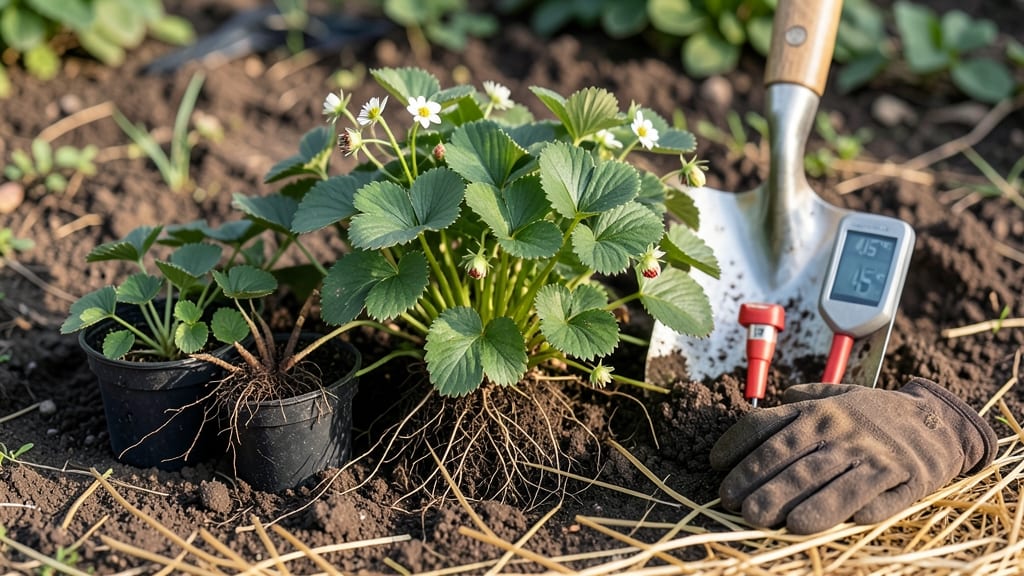
Planting strawberries in Pennsylvania at the wrong time can mean the difference between a bountiful harvest and a sad, frost-nipped disappointment. With the state’s USDA Zones 5b-7a and unpredictable spring weather, timing is everything for your 🍓 plants to thrive.
Whether you’re a first-timer or a seasoned gardener, knowing the ideal windows—late March to early May for spring or August to early September for fall—sets you up for success.
These periods align with soil warming and frost risks, giving your strawberries the best shot at rooting strong before summer’s heat arrives.
But here’s the catch: bare-root plants, potted varieties, and runners each have their own sweet spot for planting. I’ll break down the exact dates for your zone, plus pro tips to protect your crop from late frosts or scorching sun.
Let’s get those strawberries in the ground the right way—so you can enjoy homegrown berries all season long.
Ready to skip the guesswork? You’ll also discover how to extend your harvest, choose the hardiest varieties for PA’s climate, and even when to fertilize for maximum yield. Your perfect strawberry patch starts with the right timing—and I’ve got you covered.
Pennsylvania strawberry planting calendar by hardiness Zone (4-7)
Timing your strawberry planting is critical in Pennsylvania’s Zones 4-7, where frost dates vary dramatically between regions like Erie and Philadelphia. The key is planting when soil temperatures reach 40-50°F—this ensures roots establish before summer heat stress.
Spring planting gives you a June-July harvest, while fall planting yields berries the following August-September.
For Zone 4 (northwest PA), aim for late April to early May after the last frost (typically April 15). In Zone 7 (southeast PA), you can start as early as March 15 for bare-root plants, but wait until April 1 for potted varieties.
Fall planting works best in August-September across all zones, allowing plants to root before winter dormancy.
Here’s your zone-specific planting calendar with frost-free averages and ideal soil conditions:
| Zone | Last Frost Date | Spring Planting Window | Fall Planting Window | Soil Temp Threshold |
|---|---|---|---|---|
| 4 (Erie, State College) | April 15 | Late April–Early May | August 15–September 1 | 40–50°F |
| 5 (Pittsburgh, Harrisburg) | April 1 | Mid-April–Early May | August 1–September 10 | 40–50°F |
| 6 (Lancaster, Allentown) | March 25 | Late March–April 15 | August 1–September 15 | 45–55°F |
| 7 (Philadelphia, Reading) | March 15 | Early March–April 30 | August 15–September 20 | 50–60°F |
Check Penn State Extension for local frost updates.
Bare-root plants thrive when planted in spring because their roots establish quickly in cooler soil. Potted plants, however, can handle fall planting better since their roots are already established. For June-bearing varieties, spring planting is non-negotiable—these need cold stratification to flower and fruit.
Pro tip: Use a soil thermometer to confirm temperatures before planting. If soil is still below 40°F, wait 1-2 weeks—cold soil can stunt root growth and invite disease. For Zone 4 gardeners, consider a cold frame to extend the season by 2-3 weeks.
Fall planting in September gives roots time to anchor before winter, but avoid planting after September 15—new growth won’t harden off before frost. In Zone 7, you can push fall planting to early October if soil stays above 50°F.
For everbearing and day-neutral varieties, fall planting is ideal—they produce fruit the following spring and* summer. These types are perfect for Pennsylvania’s climate because they tolerate mild winters better than June-bearers. Just mulch heavily with straw or shredded leaves to insulate roots during Zone 4 winters.
Remember: Pennsylvania’s microclimates matter. A south-facing slope in Erie may warm up faster than a north-facing garden bed in Philadelphia. Adjust your planting dates by 1-2 weeks based on your specific location’s frost history.
🌱
How to time strawberry planting for Pennsylvania’s frost risks (pro tips)
Pennsylvania’s unpredictable frost dates can turn your strawberry dreams into a frozen disappointment. But with the right timing and strategies, you can outsmart frost and enjoy a bountiful harvest.
The key is planting 4-6 weeks before your last frost date—typically late March to early May—while also preparing for late frosts that can linger into mid-April.
For fall planting, aim for August to early September to give roots time to establish before winter. This method often yields earlier spring harvests the following year. However, avoid planting too late, or your strawberries won’t harden off properly before the first frost in mid-October.
Here’s my top pro tip: Use row covers or straw mulch (3-4 inches deep) to insulate plants during late-spring frosts. Mulching also suppresses weeds and keeps soil moist, which is crucial for root development during Pennsylvania’s variable spring weather.
Never plant strawberries when soil temperatures are below 40°F (4°C). Cold soil slows root growth and increases disease risk. Use a soil thermometer to check—ideal planting temps are 50-60°F (10-15°C).
In Zone 4 (northern PA), wait until after April 15 to plant, while Zone 7 (southern PA) can start as early as late March.
Another trick I swear by is microclimate awareness. A south-facing slope warms up faster than a north-facing valley, so plant there first. If you’re in Philadelphia or Pittsburgh, urban heat islands can delay frosts by 1-2 weeks—adjust your timeline accordingly.
For extended harvests, plant a mix of June-bearing and everbearing varieties. June-bearing types (like Jewel) produce one big crop in late June, while everbearing (like Seascape) give smaller yields in spring and fall. This staggered approach ensures berries from June through September.
Finally, water deeply after planting to encourage root growth, but avoid overwatering, which can drown roots in heavy clay soils common in PA. Aim for 1 inch of water per week, and always water in the morning to prevent fungal diseases like gray mold.