
Plants
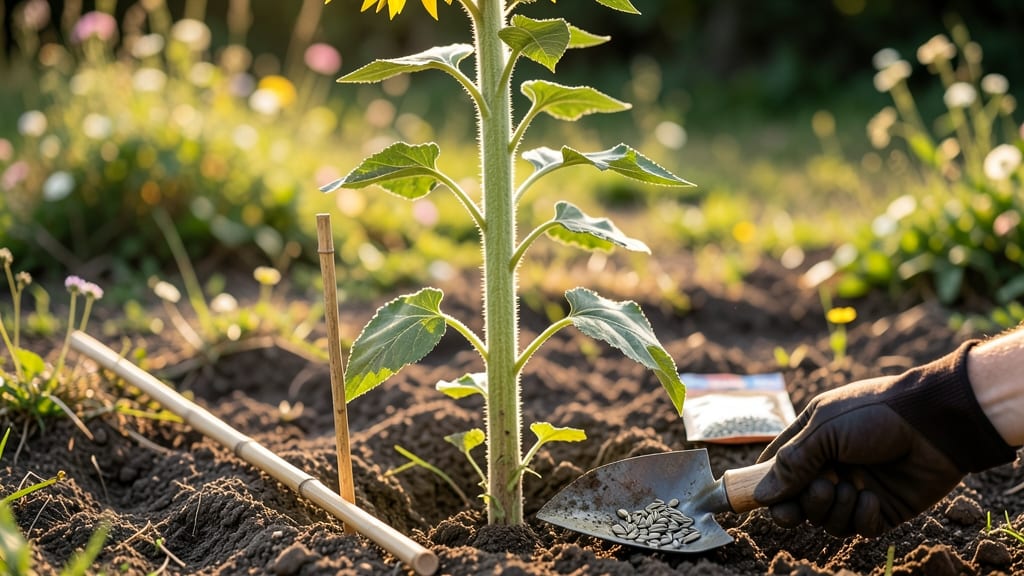
Planting sunflower seeds in Michigan at the wrong time can mean the difference between stunning 10-foot giants and stunted, sad blooms.
The perfect window for Michigan’s Zone 5-6 climate starts as early as mid-April—when soil warms to 50°F—and stretches until late June, giving you two chances to grow these cheerful 🌻 giants.
Why does timing matter so much? Sunflowers need at least 60 days of warm weather to reach their full height, and Michigan’s unpredictable frosts can cut their growth short if planted too late.
Whether you’re in Detroit’s urban gardens or northern Michigan’s cooler fields, knowing the exact dates to start seeds ensures you’ll enjoy those towering blooms from late July through October.
But here’s the secret Michigan gardeners don’t always share: you can actually plant sunflowers twice for extended blooms. A second planting in early July gives you a late-summer harvest, while companion planting with fast-growing veggies keeps pests away.
Let’s break down the exact dates, soil prep, and care tips to make your sunflowers the talk of the neighborhood.
Ready to grow sunflowers that reach their full potential? I’ll walk you through the ideal planting schedule, soil temperature tricks, and even how to handle Michigan’s tricky weather—so you can enjoy those bright faces in your garden all season long.
Best planting dates for sunflowers in Michigan’s Zone 5-6 climate
Sunflowers are a Michigan gardener’s dream—tall, vibrant, and easy to grow—but their planting window is narrow. In Zone 5-6, timing directly impacts whether your sunflowers reach their full 10-foot potential or stay stunted.
The key is planting after the last frost date, when soil temperatures hit at least 50°F (10°C).
For most of Michigan, this means mid-April to late June. Southern regions like Detroit can start as early as early April, while northern areas like Traverse City should wait until late May.
Rural areas with cooler microclimates may need to delay planting by 1-2 weeks compared to urban centers.
Here’s the golden rule: Sunflowers need 90-120 frost-free days to mature. In Michigan, that’s roughly late April to mid-October. Plant too early, and a late frost will kill seedlings. Plant too late, and your blooms may not fully develop before the first frost in October.
| Region | Last Frost Date | Ideal Planting Window | Backup Window (Late) | First Frost Risk |
|---|---|---|---|---|
| Southern MI (Detroit, Ann Arbor) | Mid-April (April 15) | Mid-April to early June | Late June (for fall blooms) | Mid-October |
| Central MI (Lansing, Grand Rapids) | Late April (April 25) | Late April to mid-June | Early July (for fall blooms) | Late September |
| Northern MI (Traverse City, Marquette) | Early May (May 1) | Early May to late June | N/A (too short season) | Early October |
| Upper Peninsula (Iron Mountain) | Mid-May (May 15) | Mid-May to early June | N/A (too short season) | Late September |
🌱 Note: Adjust for microclimates (e.g., urban areas warm faster than rural spots).
If you miss the spring window, don’t despair! Sunflowers can also be planted in late July to early August for fall blooms. These won’t reach their full height but will still produce vibrant flowers before frost.
Just ensure they’re planted at least 90 days before the first frost—so by early August in most of Michigan.
For extended blooms, try succession planting: Sow a new batch every 2 weeks from April to June. This ensures continuous flowers from July to October, even if some varieties mature faster than others.
Companion planting with bush beans or radishes can also improve soil fertility and support taller stems.
Pro tip: Use a soil thermometer to confirm temperatures. Sunflower seeds won’t sprout well in cold soil—wait until it’s consistently 50°F (10°C) at a 1-inch depth. In cooler areas, consider using black plastic mulch to warm the soil faster and extend the planting season.
Remember, sunflowers are fast growers—some varieties sprout in just 7-10 days! But rushing the process can lead to leggy, weak stems or poor blooms. Patience pays off with Michigan-sized sunflowers that turn heads (and cameras) all summer long.
Best planting dates for sunflowers in Michigan’s Zone 5-6 climate
Michigan’s Zone 5-6 climate gives you a 6-week window to plant sunflower seeds for maximum growth—starting as early as mid-April in southern Michigan and stretching until late June in northern regions.
The key is planting after the last frost when soil temperatures hit 50°F (10°C), which typically aligns with April 15 in Detroit and May 1 in Traverse City.
Sunflowers need 60-120 days to mature, so timing your planting ensures they bloom before Michigan’s first frost in mid-October. A late June planting might still yield flowers in September, especially if you choose fast-maturing varieties like ‘Moulin Rouge.’
For the tallest stems, aim for a May planting—this gives them the longest growing season.
| Region | Last Frost Date | Ideal Planting Window | First Frost Risk |
|---|---|---|---|
| Southern MI (Detroit) | April 15 | Mid-April to late May | Mid-October |
| Central MI (Lansing) | April 22 | Late April to early June | October 1 |
| Northern MI (Traverse City) | May 1 | Early May to late June | September 25 |
For extended blooms, try a second planting in early July—this gives you sunflowers that peak in September, just as summer transitions to fall. Pair them with fast-growing radishes or lettuce to maximize your garden space while they mature.
Pro tip: Use a soil thermometer to confirm temperatures are above 50°F before planting. Cold soil slows germination, and sunflowers won’t tolerate being moved once they sprout. If your soil is still chilly in May, consider black plastic mulch to warm it faster.
Michigan’s variable weather can throw off timing, but sticking to these dates ensures your sunflowers have the best shot at reaching their full 10-14 foot potential. Next, we’ll cover how to handle late frosts and early heatwaves—because even the best-laid plans need backup strategies.