
Flowers
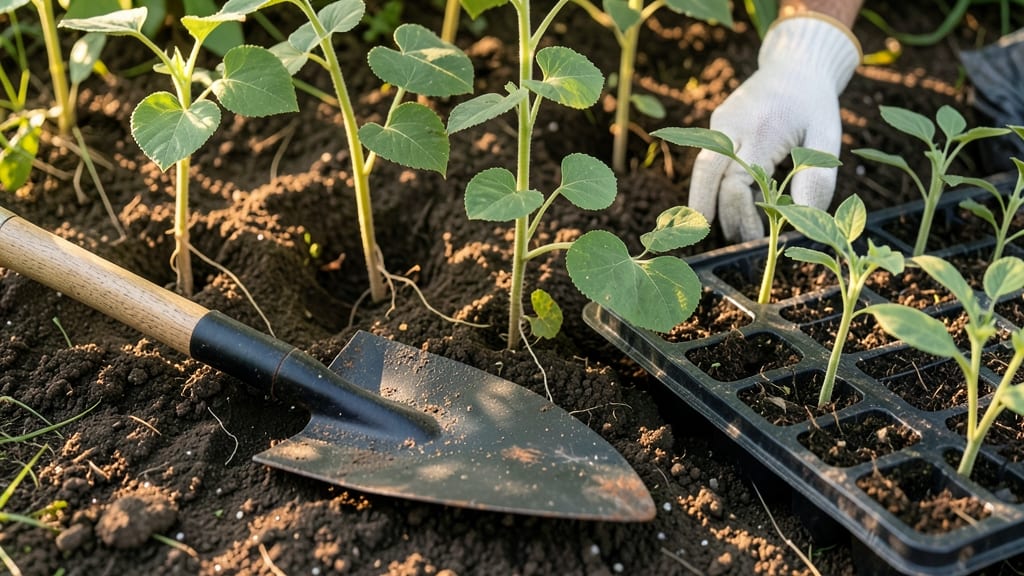
Timing your sunflower planting in Missouri can make the difference between a towering 🌻 garden showstopper and a sad, frost-nipped failure. Since Missouri’s Zone 5b-6b climate swings from icy springs to scorching summers, knowing exactly when to plant is the key to success.
Most gardeners in Missouri wait until after the last frost—typically late April to early June—when soil temperatures hit a steady 55°F. But here’s the catch: if you plant too early, seedlings may not survive unexpected cold snaps, while late planting risks stunted growth before summer’s peak.
The ideal window balances warmth and daylight for fast, robust sunflower development.
In this guide, I’ll break down the exact frost-free planting timeline for your specific zone, plus pro tips for soil prep, seed depth, and spacing. Whether you’re growing giant varieties or compact confection types, you’ll learn how to maximize your sunflower’s potential before Missouri’s first frost in October.
Ready to grow sunflowers that reach their full height and bloom with confidence? Let’s dive into the perfect planting schedule tailored just for you.
Missouri sunflower planting calendar: exact dates by Zone 5-6
Missouri’s Zone 5-6 climate offers a 180-day growing season for sunflowers, but precise timing ensures robust blooms. The last average frost date hovers around April 15 in most regions, with high-altitude areas like the Ozarks experiencing frost until May 1.
For giant varieties, aim to plant 2-4 weeks after your last frost date, while dwarf and confection types tolerate cooler soil.
Sunflowers thrive when soil temperatures reach 55°F (13°C), signaling it’s safe to plant. In Zone 5b (northern Missouri), this typically falls in late April to early May.
Gardeners in Zone 6b (southern Missouri) can start as early as mid-April, but always monitor forecasts for late frosts. Succession planting in June extends harvests into fall.
For direct sowing (recommended for sunflowers), bury seeds 1 inch deep and space them 6 inches apart. If starting indoors, transplant seedlings after soil warms and harden them for 7-10 days before moving outside. Giant varieties need 12-18 inches of spacing, while dwarf types thrive in 6-inch grids.
Missouri’s microclimates can shift planting windows by 2-3 weeks. Urban areas with concrete heat absorption may warm faster, while wooded or high-altitude gardens lag behind. Always check local frost maps from the Missouri Botanical Garden or University of Missouri Extension for hyper-local guidance.
Here’s your frost-free planting timeline for Missouri’s two zones, including soil prep and transplant windows:
| Zone | Last Frost Date | Optimal Planting Window | Soil Temp Threshold | Transplant Ready | Harvest Window |
|---|---|---|---|---|---|
| Zone 5b (North) | April 15–May 1 | Late April–Early May | 55°F (13°C) | May 15–June 1 | July–October |
| Zone 6b (South) | March 30–April 15 | Mid-April–Late April | 55°F (13°C) | April 30–May 15 | June–October |
| High-Altitude (Ozarks) | May 1–May 15 | Early–Mid May | 55°F (13°C) | May 20–June 1 | July–September |
For succession planting, sow a second batch in early June to enjoy fall blooms before the first frost.
This works especially well for confection sunflowers, which mature in 70-80 days. Giant varieties (like ‘Mammoth’) need 100-120 days to reach harvest, so prioritize early planting in Zone 5b.
Missouri’s summer heat (June–August) accelerates growth, so monitor soil moisture closely. Deep watering 2-3 times per week prevents stem weakness, especially for tall varieties that can topple in storms. Mulching with straw retains moisture and suppresses weeds, giving your sunflowers a competitive edge.
Pro tip: Use row covers for early plantings to shield seedlings from late frosts (common in Zone 5b until May). Remove covers once plants hit 6 inches tall to avoid overheating. Black plastic mulch also warms soil faster, ideal for northern Missouri gardens.
Always test your soil pH (6.0–7.5) before planting—sunflowers thrive in slightly acidic to neutral soil. Amend clay-heavy Missouri soil with compost or sand to improve drainage. Well-d
How to adjust sunflower planting for Missouri’s microclimates
Missouri’s diverse landscapes—from urban heat islands to rural farmland—create unique microclimates that can shift your sunflower planting window by weeks. If you live in St. Louis or Kansas City, where pavement traps heat, you might plant 2 weeks earlier than a gardener in the cooler Ozark Mountains.
Even a 50-foot elevation change can delay last frost by 10 days.
For urban gardeners, container planting is a game-changer. Smaller pots warm up faster in spring, letting you start seeds indoors 4-6 weeks before your outdoor last-frost date. Just use well-draining soil and move pots outside only after nighttime temps stay above 50°F consistently.
Rural farmers with large plots can use succession planting to stretch blooms from summer to early fall. Plant a second batch in late June for a late-summer harvest, but choose faster-maturing varieties (like 'Autumn Beauty') to avoid frost risks.
High-altitude areas (e.g., Branson or the Ozarks) often face later frosts. Wait until mid-May to plant, and use row covers or cloche tunnels to protect seedlings if nighttime temps dip below 45°F. These tools can extend your growing season by 3-4 weeks.
- 🏙️ Urban Areas: Start seeds indoors March 15-April 1 for earlier outdoor transplanting (use 5-gallon pots).
- 🌾 Rural/Farmland: Direct-sow seeds April 20-May 10; succession plant June 20 for fall blooms.
- ⛰️ High Altitude (Ozarks): Delay until May 10-20; use row covers for frost protection.
- 🌿 Container Gardening: Plant seeds 2 weeks earlier than outdoor dates; ensure pots have drainage holes.
- 🌡️ Heat Islands (St. Louis/KC): Plant 10-14 days earlier; monitor soil temps—60°F+ is ideal.
If you’re in a windy area (like western Missouri), stake tall varieties early to prevent stem damage. For shady microclimates (e.g., near tall buildings), choose dwarf varieties like 'Teddy Bear', which tolerate partial shade better than giants.
Pro tip: Check your local Missouri Botanical Garden or University of Missouri Extension for hyper-local frost data. Their frost-free calculators can refine your planting window by 3-5 days—making the difference between a bountiful harvest and a disappointing flop.