
Plants
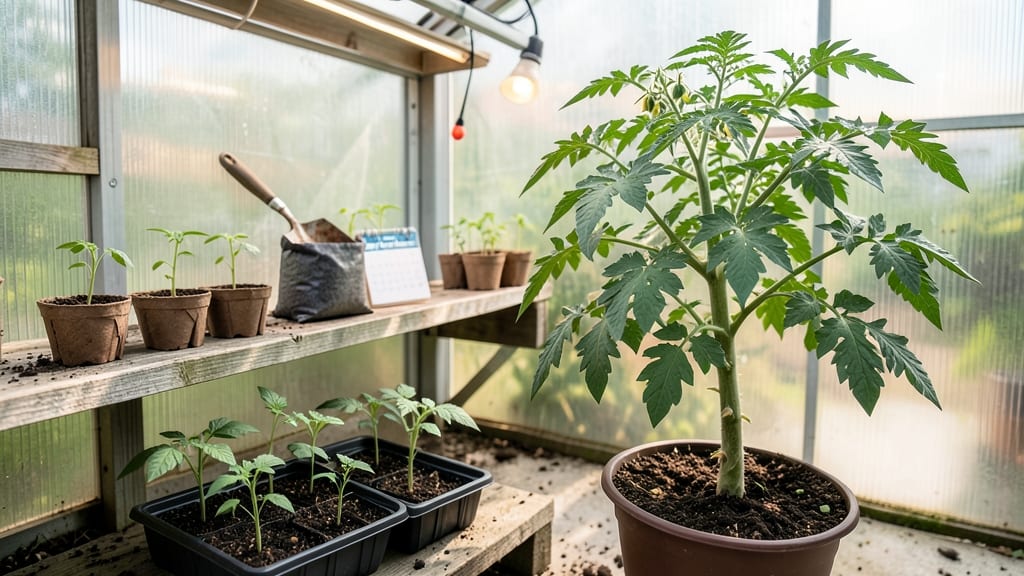
Planting tomato plants in a greenhouse gives you the power to grow juicy 🍅 harvests months before outdoor gardens are even ready—but getting the timing wrong can leave you with leggy seedlings or wasted space.
The key isn't just following a calendar; it's understanding how your greenhouse's microclimate interacts with your local climate to create the perfect growing conditions.
If you've ever struggled with seedlings that bolt too quickly or plants that never quite reach their potential, you're not alone. The right planting window ensures your tomatoes get the strong start they need while avoiding common pitfalls like overcrowding or temperature swings.
I'll show you exactly when to plant based on your climate zone and how to adjust for early harvests or extended growing seasons.
What makes greenhouse tomato planting different from outdoor gardening? Unlike open-air gardens where frost dates dictate everything, your greenhouse acts as a controlled environment where you can push the boundaries of traditional planting schedules.
Whether you're in a cooler USDA Zone 5 or a warmer Zone 10, these strategies will help you maximize your space and enjoy tomatoes weeks—or even months—earlier than your neighbors.
Let's break down the science behind optimal planting dates, how to time your transplants for maximum productivity, and the critical mistakes to avoid that could turn your early start into a costly misstep. Ready to transform your greenhouse into a year-round tomato powerhouse?
Optimal greenhouse tomato planting dates by climate Zone
A greenhouse extends your tomato-growing season, but planting dates still depend on your USDA zone and greenhouse type. Unlike outdoor planting, you can start 4-6 weeks earlier in a greenhouse, but timing affects seedling health and yield.
For example, in Zone 5, I begin sowing seeds indoors by February 15, while in Zone 9, I might start as late as March 1 to avoid heat stress.
Greenhouses trap heat, so soil temperatures rise faster than outdoors. Aim for 60-70°F soil temps before transplanting seedlings. In colder zones, use heat mats to warm soil earlier. For instance, in Zone 6, I transplant seedlings by April 15—about 3 weeks earlier than outdoor planting dates.
Here’s a quick reference for greenhouse tomato planting windows by zone, accounting for frost-free periods and greenhouse heat retention:
| USDA Zone | Seed Starting Indoors | Transplant to Greenhouse | First Harvest Window |
|---|---|---|---|
| Zone 3-4 | Late February | Mid-April | Late July - Early August |
| Zone 5-6 | Mid-February | Early April | Mid-July - Mid-August |
| Zone 7-8 | Late February - Early March | Late March - Early April | June - September |
| Zone 9-10 | March 1 - March 15 | Early March - Mid-March | May - October |
🌱 Note: Adjust dates if using passive solar greenhouses (warmer earlier) vs. polycarbonate structures (cooler).
In Zone 7, I often start seeds by February 28 and transplant by March 31 to take advantage of the greenhouse’s ability to retain heat before outdoor soil warms.
This lets me harvest 2-3 weeks earlier than outdoor plants. For heirloom varieties, which need more time to mature, I prioritize earlier transplanting.
For tropical zones (9-10), the goal shifts to avoiding summer heat. I start seeds in late winter and transplant by early March to harvest before June heat stress sets in. Varieties like ‘Solar Fire’ thrive in these conditions but need shade cloth during peak sun.
Regional microclimates also matter. If you’re near a large body of water or in a valley, your greenhouse may stay cooler, delaying transplanting by 1-2 weeks. Conversely, urban areas with heat islands can let you plant 1 week earlier.
Pro tip: Use a soil thermometer to confirm 60°F+ soil temps before transplanting. In my Zone 6 greenhouse, I’ve seen seedlings stunt growth when transplanted into 55°F soil, even with greenhouse heat. Always prioritize root zone warmth over air temperature.
Finally, succession planting works beautifully in greenhouses. After your first harvest, remove spent plants and sow new seeds every 2-3 weeks to extend your season. In Zone 8, this lets me enjoy tomatoes from June through November.
🌿
How to time transplanting for maximum greenhouse productivity
Timing your tomato transplanting in a greenhouse isn’t just about the calendar—it’s about balancing seedling maturity, greenhouse temperatures, and light availability. Rush it, and your plants may struggle; wait too long, and you risk stunted growth.
The key is planting when seedlings have 4-6 true leaves and the greenhouse can maintain 60-70°F daytime temps.
Most gardeners start seedlings indoors 6-8 weeks before the last frost date, but greenhouse timing shifts this window. Since greenhouses trap heat, you can transplant 2-3 weeks earlier than outdoor gardens.
For example, in USDA Zone 7, that means moving seedlings outdoors in mid-April but transplanting them into a greenhouse as early as late March.
Here’s the critical rule: Transplant when nighttime temps stay above 50°F. Cold snaps can shock young plants, even in a greenhouse. Use a minimum-thermometer to track overnight lows—if temps dip below 45°F, delay transplanting until conditions stabilize.
A row cover can buy you extra time if early transplants are exposed to chilly nights.
⚠️ Warning: Transplanting Too Early
Cold stress weakens roots, making plants vulnerable to blossom end rot and damping-off disease. If your greenhouse can’t maintain stable temps, hold off until seedlings are hardier (around 6 weeks old) and soil temps reach 60°F.
✅ Pro Tip: Use a soil thermometer—tomatoes thrive when soil is 65-75°F.
Light exposure is another game-changer. Greenhouses with south-facing walls get the most sunlight, but even then, cloudy days can stretch seedlings. If your greenhouse lacks sufficient light, supplement with grow lights for 14-16 hours daily to prevent leggy, weak plants.
Look for seedlings that are stocky and dark green—these are ready for transplanting.
Don’t overlook the transplant shock factor. Even in a greenhouse, moving seedlings from trays to soil disrupts their roots. To minimize stress, water deeply 24 hours before transplanting and use compost-rich soil to encourage root growth.
Bury stems slightly deeper than they were in trays—this promotes stronger root systems for heavier fruit loads later.
Finally, plan for succession planting if you want continuous harvests. Transplant a second batch 2-3 weeks after the first to stagger ripening. In a greenhouse, this means you could have tomatoes ready by June from early transplants and another flush in August from later ones—double the homegrown goodness!