
Plants
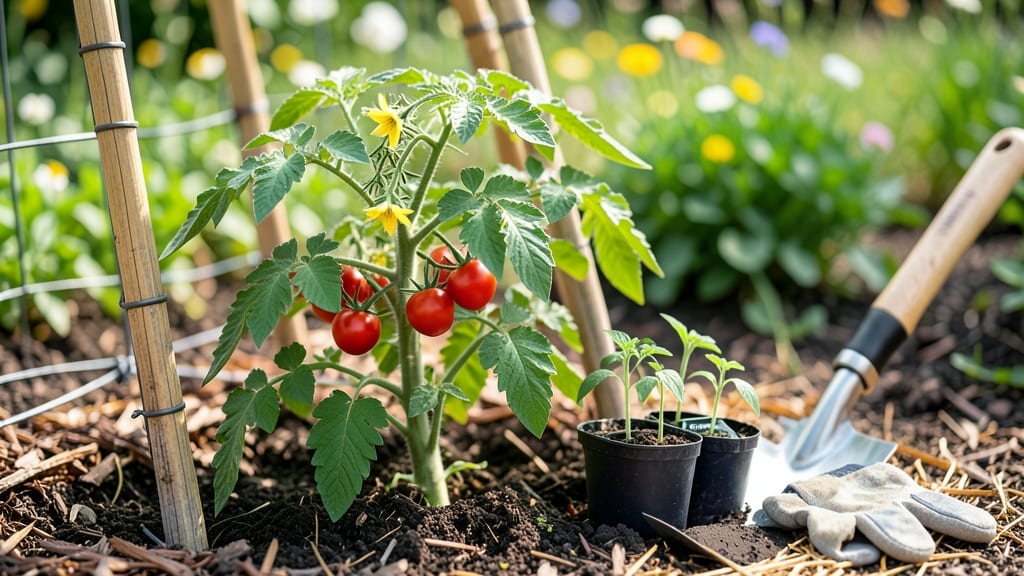
When do you plant tomatoes in Arkansas? Timing your 🍅 planting makes all the difference between a bumper crop and a sad, wilted disappointment.
The perfect window depends on your region—whether you're in the cooler hills of the north or the sweltering south—because those late frosts can still sneak in as late as March.
Most Arkansas gardeners swear by transplanting between March 15 and April 30, but direct sowing waits until April 15–May 15 when soil finally warms to 60°F. Skipping this step means risking blossom-end rot or stunted growth when summer’s brutal heat arrives.
This guide breaks down the exact dates for your zone, plus heat-tolerant varieties that thrive in Arkansas’ 7a–8b climate. We’ll also cover soil prep tricks to give your tomatoes the best start—because even the right timing won’t save a plant struggling in poor soil.
Ready to grow tomatoes that outlast the heat? Let’s get your planting schedule locked in for a harvest from June to October.
Arkansas tomato planting calendar: best months by region & microclimate
Arkansas spans USDA Zones 7a–8b, meaning planting dates vary dramatically from the cooler Ozark Mountains to the hotter Delta region. In North Arkansas, where last frosts linger until April 15, start transplants indoors by March 1 and transition outdoors after April 30.
Meanwhile, South Arkansas gardeners can plant outdoors as early as March 15, thanks to earlier warm-ups and fewer late frosts.
Central Arkansas—think Little Rock and Fayetteville—falls in the middle, with ideal transplanting windows from March 20 to April 15. Direct sowing (planting seeds outdoors) should wait until April 15–May 1 across all regions to avoid blossom-end rot from cool soil temperatures.
For heat-tolerant varieties, like 'Heatmaster' or 'Solar Fire,' you can push planting to June 1 in South Arkansas for a fall harvest.
Key rule: Wait until soil temperatures hit 60°F (15°C) and nighttime lows stay above 50°F (10°C). Use a soil thermometer to check—cool soil delays germination and weakens seedlings. In North Arkansas, this often means waiting until mid-April, while South Arkansas may be ready by early March.
Microclimates matter too! Urban areas like Little Rock can be 5–10°F warmer than rural zones, allowing earlier planting. Low-lying areas may experience later frosts, so monitor local Arkansas Cooperative Extension Service alerts for frost-free date updates.
For example, Mountain View (North Arkansas) averages a last frost on April 20, while El Dorado (South Arkansas) typically sees March 10.
Pro tip: Use black plastic mulch or row covers to warm soil faster in cooler regions. This can shave 2–3 weeks off your planting timeline by raising soil temps by 5–10°F. Just remove covers once flowers appear to prevent heat stress.
Here’s a region-specific breakdown to help you plan:
| Region | Last Frost Date | Transplant Window | Direct Sow Window | Heat-Tolerant Variety |
|---|---|---|---|---|
| North Arkansas (e.g., Fayetteville, Eureka Springs) | April 15–April 20 | March 20–April 15 (indoors) / April 30–May 15 (outdoors) | May 1–May 15 | 'Arkansas Traveler', 'Mountain Merit' |
| Central Arkansas (e.g., Little Rock, Benton) | March 25–April 5 | March 15–April 15 | April 15–May 1 | 'Heatmaster', 'Solar Fire' |
| South Arkansas (e.g., El Dorado, Texarkana) | March 10–March 15 | March 1–March 30 | March 15–April 15 | 'Celebrity', 'Roma' |
For late-season harvests, consider succession planting every 2 weeks from June 1–July 15 in South Arkansas. Choose determinate varieties (like 'Roma' or 'Celebrity') for compact growth and earlier fruiting. In North Arkansas, focus on indeterminate varieties (e.g., 'Brandywine') planted early for a prolonged harvest.
Arkansas’ humid summers can stress tomatoes, so prune suckers regularly and provide afternoon shade during heatwaves (90°F+). Mulch with straw or wood chips to retain moisture and prevent soil-borne diseases like early blight, which thrives in Arkansas’ damp conditions.
Track your local frost-free date using the Arkansas Climate Office or Almanac’s Frost Calculator. Adjust planting dates if you’re in a valley or low-lying area, where cold air pools and delays warm-ups.
With the right timing, you can enjoy homegrown tomatoes from June through October—just in time for Arkansas’ famous tomato festivals!
🌱
Heat-tolerant tomato varieties for Arkansas summers: top picks & growing tips
Arkansas summers bring relentless heat and humidity, making variety selection critical for tomato success. The wrong choice wilts under 90°F+ temps, while the right heat-tolerant varieties thrive and produce until October’s first frost.
Look for types labeled "heat-set" or bred for short-day conditions, which Arkansas’ long summers provide. My top picks include 'Heatmaster' and 'Solar Fire', both designed to set fruit in high temperatures without dropping blossoms.
These varieties excel in Arkansas’ USDA Zones 7a–8b because they continue flowering even when nights dip below 60°F. For example, 'Arkansas Traveler' (a local favorite) handles humidity better than most while delivering sweet, beefsteak-style tomatoes.
If you’re in South Arkansas’s Delta region, where summers are hotter and longer, prioritize determinate types like 'Roma' or 'Celebrity'—they fruit quickly and tolerate heat stress with less water.
Heat tolerance ≠ drought tolerance. Even the hardiest varieties need consistent moisture to prevent blossom-end rot or sunscald. Mulch with straw or black plastic to keep roots cool, and water deeply in the morning to avoid fungal issues. Avoid overhead sprinklers during peak sun (10 AM–4 PM), as wet leaves + heat = early blight.
For container gardening in urban Arkansas (e.g., Little Rock balconies), choose bush varieties like 'Tiny Tim' or 'Patio'. These stay under 3 feet tall and produce abundant fruit in 5-gallon pots with well-draining mix.
Add 1 cup of compost to the soil before planting and fertilize every 3 weeks with a low-nitrogen formula (e.g., 5-10-10) to encourage fruiting over foliage.
Arkansas’ humid summers also demand pruning discipline. Remove suckers (the shoots between stems and leaves) weekly to improve airflow and reduce disease pressure. In South Arkansas’s heat, prune aggressively—leave only 3–4 main stems to direct energy to fruit production.
Use sharp, sterilized pruners and dip cuts in copper fungicide to prevent bacterial spot, a common Arkansas issue.
🌿