
Plants
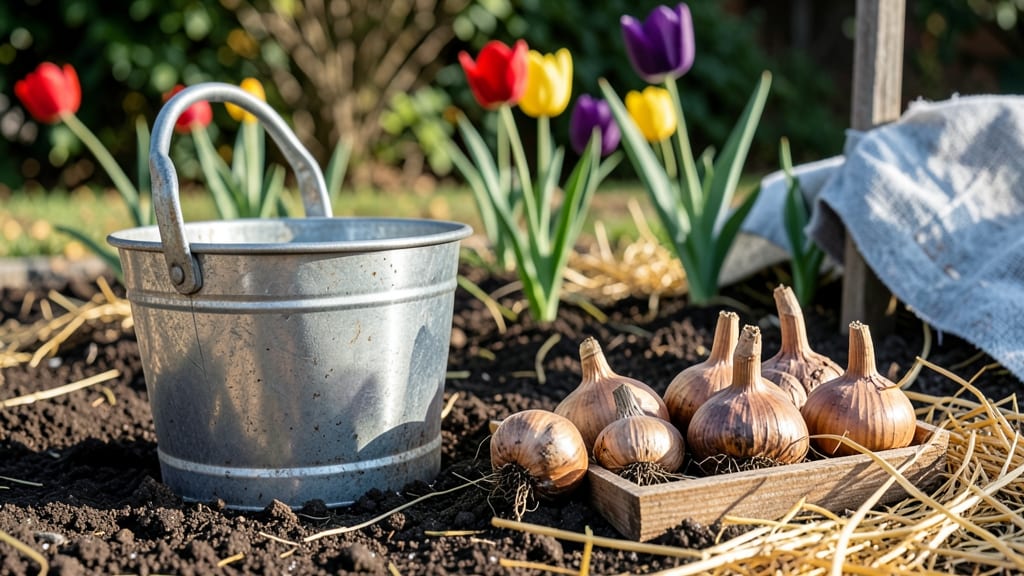
Planting tulip bulbs in Texas isn’t as straightforward as following the old "October rule"—our mild winters demand a smarter approach. Unlike northern gardens, Texas’ 8a-10b zones require timing that accounts for chill-hours and regional frost patterns, or you’ll risk bulbs sprouting too early and dying back.
If you’ve ever watched your tulips 🌷 bolt in February or fail to bloom at all, you know the stakes.
The key lies in matching varieties to your specific zone—North Texas’ cooler pockets (7b-8a) can handle traditional bulbs planted in October-December, while South Texas’ warmth (9a-10b) needs varieties that thrive with minimal chill or later planting.
What I’ve learned from years of Texas gardening? The perfect window shifts by region—Central Texas gardeners aim for November-January, while South Texas may wait until December-February. We’ll break down exactly how to time it, plus which tulip types actually flourish here without the drama.
Ready to skip the guesswork? Let’s dive into the chill-hour strategy that’ll give you bold spring blooms—no matter where in Texas you garden. The secret’s in the details, and I’ve got them covered.
Texas chill-hour requirements for tulip bulbs: Zone 8-10 planting timeline
Texas’ mild winters make traditional tulip growing tricky, but the key to success lies in chill-hours—the number of hours below 45°F bulbs need to bloom.
Most tulips require 1,000+ chill-hours, but Texas’ Zone 8-10 averages just 300-800. The solution? Choose low-chill varieties and time planting precisely for your region.
North Texas (Zone 8a) gets the closest to ideal chill, while South Texas (Zone 10b) struggles with fewer than 500 chill-hours. Even in cooler zones, planting too early can trigger premature sprouting from warm soils.
The goal is to plant when soil temps drop to 60°F but before hard frosts arrive.
Here’s how to match your Texas region to the right planting window and chill-hour needs:
| Region | USDA Zone | Avg. Chill-Hours | Ideal Planting Window | Best Varieties |
|---|---|---|---|---|
| North Texas | 7b-8a | 500-800 | October 15 - November 15 | Darwin Hybrids, Fosterianas |
| Central Texas | 8a-9a | 300-600 | November 1 - December 15 | Early Bloomers, Greigii |
| South Texas | 9a-10b | 200-400 | December 15 - January 31 | Kaufmanniana, Fringed |
In North Texas, aim for October 15-November 15 when soil temps drop below 60°F. This window ensures bulbs get enough chill to bloom but avoids premature sprouting from lingering summer heat. Use Darwin Hybrids or Fosterianas, which tolerate 500-800 chill-hours.
Central Texas gardeners should wait until November 1-December 15. The 300-600 chill-hours here favor early bloomers like Greigii or Parrot tulips. Planting in late November gives bulbs a head start on winter chill without risking early sprouting.
South Texas (Zone 10b) is the trickiest, with fewer than 400 chill-hours. Opt for Kaufmanniana or Fringed tulips, which bloom with as little as 200 chill-hours. Plant between December 15-January 31, timing it so bulbs experience the coolest months of the year.
Pro tip: Use a soil thermometer to confirm temps are consistently below 60°F before planting. In warmer zones, consider container growing with a cool basement or garage for extra chill-hours during winter.
For maximum blooms, pair your planting window with well-draining soil and full sun exposure. Even low-chill varieties need 6+ hours of sunlight daily to thrive. Mulch with straw or pine needles after planting to insulate bulbs and protect them from temperature swings.
Remember: Tulips in Texas are annuals—they won’t naturalize like in cooler climates. Dig up and store bulbs indoors after foliage dies back to replant next year. This preserves your investment and gives you control over chill-hour exposure.
Texas chill-hour requirements for tulip bulbs: Zone 8-10 planting timeline
Texas’s mild winters make traditional tulip planting tricky, but understanding chill-hour requirements is your secret weapon. Most tulips need 300-1,000 chill hours (below 45°F) to bloom, but Texas zones 8-10 average only 200-500 chill hours. The key? Planting low-chill varieties at the right time to maximize cold exposure.
In North Texas (Zones 7b-8a), where winters are cooler, aim for October-November planting to capture 4-6 weeks of chill before the ground freezes.
Central Texas (Zones 8a-9a) gardeners should plant in November-December, while South Texas (Zones 9a-10b) can extend planting until January—just time it for the brief cold snaps.
| Zone | Chill Hours | Planting Window | Best Varieties |
|---|---|---|---|
| North Texas (7b-8a) | 400-600 | October 15 - November 15 | Darwin Hybrids, Fosterianas |
| Central Texas (8a-9a) | 300-500 | November 1 - December 15 | Grahamiana, Kaufmanniana |
| South Texas (9a-10b) | 200-400 | December 1 - January 31 | Early Bloomers, Species Tulips |
For early bloomers, plant in October-November to catch the first cold snaps. Late bloomers can wait until December-January, but prioritize varieties with under 400 chill hours to avoid disappointment. Pro tip: Use black plastic mulch in South Texas to drop soil temps faster and trigger dormancy.
Timing matters even more than you think. Planting too early in warm soil can cause premature sprouting, while waiting too late risks bulbs not getting enough chill.
Aim to plant 4-6 weeks before the first frost—this gives roots time to establish but keeps tops dormant until cold sets in.
Don’t forget: Soil temperature is just as critical as air temperature. Tulip bulbs need soil temps below 60°F to start chilling. Use a soil thermometer to confirm readiness—especially in South Texas, where warm spells can delay dormancy.
With the right chill-hour match and planting window, you’ll coax those vibrant tulip blooms even in Texas’s warm climate. Just remember: patience is key—these bulbs are storing energy for next year’s show! 🌷