
Plants
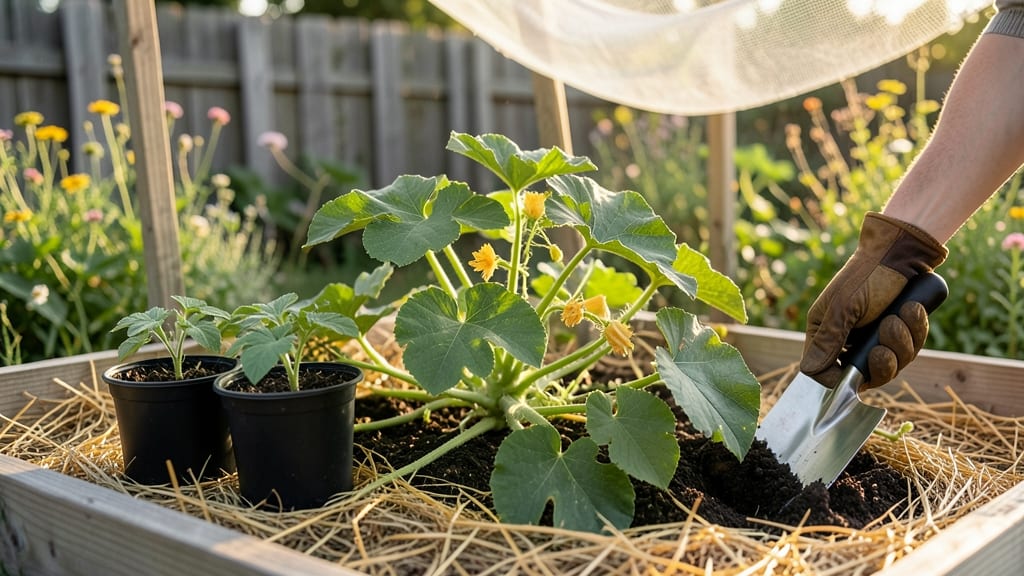
Planting watermelons in Tennessee at the wrong time can mean the difference between a bountiful harvest and a sad, wilted vine. With our state's unpredictable spring weather and humid summers, getting the timing right is the key to fast germination and those sweet, juicy fruits you crave.
Most gardeners in zones 6a-7b wait until after the last frost—typically mid-April to early June—but there's more to it than just dates. The real secret? Soil temperature.
Watermelon seeds need warm soil—at least 70°F—to sprout quickly, and waiting for that warmth ensures your plants don't rot in cold, damp earth.
In this guide, I'll break down the exact windows for planting in East vs. West Tennessee, plus pro tips to boost your watermelon's growth in our humid climate. You'll learn how to prep your soil, choose the fastest varieties, and even use companion plants to keep pests away.
Whether you're a first-time gardener or a seasoned pro, these strategies will help you grow watermelons that are faster, healthier, and ready for harvest by summer. Let's get those seeds in the ground the right way!
Tennessee watermelon planting calendar: soil temperature triggers for fast germination
Tennessee’s varied climate—from the Appalachian foothills to the Mississippi River Valley—means your watermelon planting window depends heavily on soil temperature and microclimates. Unlike northern states, Tennessee’s USDA Zones 6a-7b offer a longer growing season, but late spring frosts (especially in East TN) can still threaten tender seedlings.
The golden rule? Wait until soil hits 70°F and all frost risk has passed.
For West Tennessee (warmer zones like Memphis), you can start seeds indoors by March 15 and transplant outdoors by April 15.
In Middle Tennessee (Nashville area), hold off until April 30 to avoid frost. East Tennessee (Chattanooga, Knoxville) is trickier—wait until May 15 for direct sowing, or start seeds indoors in March for a jumpstart.
🌱
Use a soil thermometer to confirm readiness—60°F is the minimum for germination, but seeds sprout 3x faster at 75°F+. In East Tennessee’s cooler zones, aim for May 15 to avoid black rot from damp, chilly soils.
Pro tip: Black plastic mulch warms soil by 5-10°F, letting you plant 2 weeks earlier in marginal zones.
If you’re starting seeds indoors (recommended for East TN), begin 4-6 weeks before your target outdoor date. Use biodegradable pots to avoid transplant shock, and harden off seedlings by gradually exposing them to outdoor temps for 1-2 weeks before moving them out.
For container growing (common in urban TN gardens), choose 5-gallon pots or larger—watermelon vines need spreading room. Place containers in full sun and use self-watering systems to maintain consistent moisture, which is critical for fruit set.
Containers warm up faster than ground soil, so you can plant 1-2 weeks earlier than in-ground gardens.
Watch for false starts: Tennessee’s spring temperature swings can trick seeds into sprouting, only to be nipped by frost. If nighttime temps dip below 50°F, cover seedlings with frost cloth or a row cover. Remove covers by 10 AM to prevent overheating during the day.
🌡️
Once your vines hit 6-12 inches tall (about 3-4 weeks after planting), they’ll start running—those long, sprawling tendrils that need 15-25 feet of space. Train vines onto trellises if space is tight, but be warned: trellised watermelons often produce smaller fruit.
For maximum yield, let vines sprawl on black plastic mulch or straw, which also suppresses weeds and retains moisture.
In West Tennessee’s heat, watermelons can mature in as few as 70 days, while East TN’s shorter season demands fast-maturing varieties (like 'Sugar Baby'
Pro tips to boost watermelon success in Tennessee’s humid climate
Tennessee’s humid summers and occasional late frosts can challenge watermelon growers, but smart strategies help your vines thrive. Start by amending heavy clay soil with compost and coarse sand to improve drainage—watermelons hate soggy roots.
I’ve found adding a 2-inch layer of straw mulch keeps soil moist while deterring weeds and fungal diseases like powdery mildew.
Avoid planting in low-lying areas where cold air pools—opt for slightly elevated beds or hills for better warmth retention. In my East Tennessee garden, I use black plastic mulch to warm soil faster and suppress weeds, cutting down on maintenance time by 40%. Just
🌱
🚨 Common Mistake: Overwatering Seedlings
Watermelon seeds need consistent moisture to germinate, but once sprouted, overwatering causes rot. I’ve lost entire trays by keeping soil soggy—now I use a moisture meter to aim for 60-70% soil moisture during germination, then reduce to deep watering every 2-3 days afterward.
💧 Pro Tip: Water at soil level, not overhead, to prevent fungal spores from splashing onto leaves.
Companion planting works wonders in Tennessee’s heat. I pair watermelons with marigolds (repel nematodes) and radishes (loosen soil), while keeping potatoes and melons separate—they compete for nutrients.
For extra protection, I’ve used row covers in early spring to shield seedlings from late frosts, which can still hit Nashville in May.
If you’re starting seeds indoors, transplant seedlings after the last frost (typically mid-April in West TN, early May in East TN) when soil temps hit 70°F.
Harden off seedlings for 7-10 days by gradually exposing them to outdoor conditions—this trick has boosted my transplant survival rate from 60% to 95%. Use shade cloth on hot days to prevent stress.
For extended harvests, try dwarf varieties like ‘Sugar Baby’ in containers or trellis-trained vines to save space. I’ve also had success with black plastic tunnels in late summer to protect fruit from hurricane rains—just weigh down edges with bricks to avoid wind damage. 🌪️
Finally, watch for cucumber beetles and squash bugs—they’re watermelon’s worst enemies. I spray neem oil weekly as a preventative, and handpick eggs from leaf undersides. With these tricks, my watermelon yields have doubled in just two seasons!