
Flowers
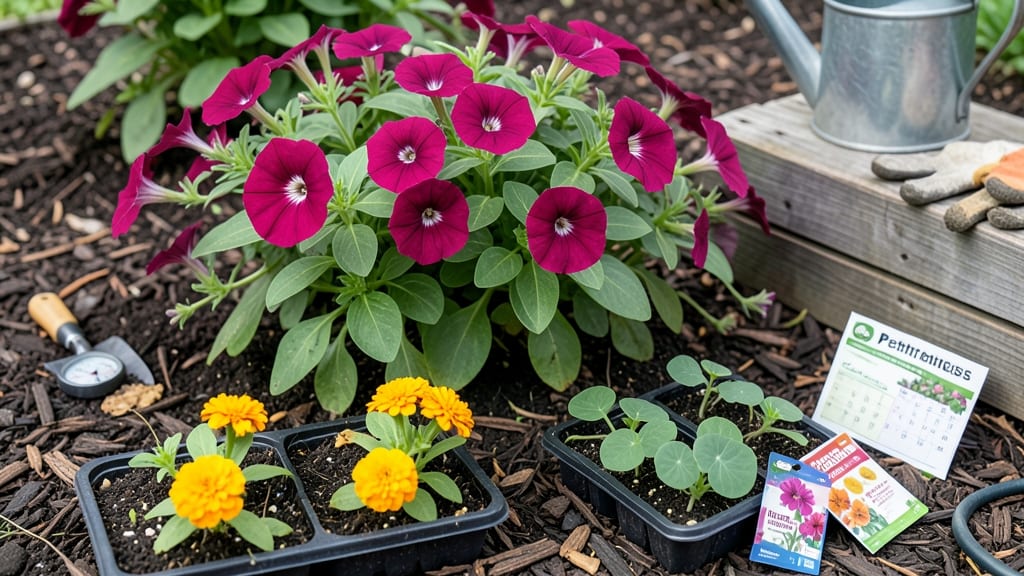
If you’ve ever rushed to plant your 🌸 flowers in Ohio only to watch frost nip them back, you know when it is safe to plant flowers in Ohio—timing is everything.
The last thing you want is to wait too long and miss peak blooming season—or worse, have your hard work undone by a surprise freeze.
Ohio’s 6a zone means you’ve got a narrow window between mid-April and early May to get flowers in the ground safely. But here’s the catch: your yard’s microclimate could shift those dates by weeks.
Urban heat islands, lake breezes, or even a hillside can create pockets where frost lingers longer—or disappears sooner.
I’ll break down exactly when to plant based on Ohio’s frost patterns, plus how to test your own microclimate so you can adjust your schedule.
Whether you’re growing annuals for summer color or perennials that return year after year, these tips will help you avoid common mistakes and get your garden thriving.
Ready to stop guessing and start planting with confidence? Let’s dive into the science—and the simple tricks—that’ll keep your flowers blooming all season long.
Ohio’s last frost dates by hardiness zone: when to plant flowers safely
Ohio’s last frost dates vary dramatically across its USDA hardiness zones 5a-6b, making timing critical for your flower garden. Northern Ohio (zone 5a) typically sees its last frost around April 20-25, while southern Ohio (zone 6b) warms up by April 10-15.
These dates aren’t just numbers—they’re the difference between vibrant blooms and frost-nipped failures.
Most Ohio gardeners use the 10-day rule: Wait 10 days after your average last frost date to plant tender annuals like marigolds or petunias. For perennials and cold-hardy flowers, you can plant as early as late March in southern zones, but northern gardeners should wait until mid-April.
Here’s the breakdown you need to plant with confidence:
| USDA Zone | Avg. Last Frost | Safe Planting Window | Best Flowers for Zone |
|---|---|---|---|
| 5a (Northeast OH) | April 20-25 | May 5-10 | Coneflowers, Black-Eyed Susans, Shasta Daisies |
| 5b (Central OH) | April 15-20 | April 25-May 5 | Beard’s Tongue, Columbine, Peonies |
| 6a (Southwest OH) | April 10-15 | April 20-25 | Daylilies, Lavender, Coreopsis |
| 6b (Southeast OH) | March 25-April 5 | April 10-15 | Roses, Hydrangeas, Salvia |
For annual flowers, stick to the 10-day rule after your zone’s last frost. But perennials like peonies or daylilies can handle cooler soil—plant them as early as late March in southern zones. Pro tip: Check soil temperature with a thermometer—60°F+ is ideal for most flowers.
Historical data shows Ohio’s frost dates can shift ±7 days yearly. For real-time updates, consult your local agricultural extension office or use tools like the National Weather Service’s frost calendar. These resources provide hyperlocal adjustments that generic zone maps miss.
Don’t forget microclimates—your backyard might be 2-3 weeks ahead of the average if you’re near a south-facing wall or paved surface.
We’ll dive deeper into these adjustments in the next section, but for now, bookmark these dates and mark your calendar for May 1 as your final safety cutoff.
Ohio’s first frost typically arrives around October 15, but some years it comes as early as September 30. Plan your fall-planted bulbs (like tulips) accordingly—they need 6-8 weeks in the ground before winter sets in.
🌸
Microclimate adjustments: how your yard’s unique conditions change planting times
Ohio’s last frost dates vary dramatically across just a few miles—what’s safe in Columbus might still carry frost risk in Toledo or Cleveland. Your yard’s microclimate—shaped by urban heat islands, lake breezes, or elevation shifts—can push planting times 2-3 weeks earlier or later than official averages.
Ignoring these factors risks frost damage or stunted growth.
For example, a south-facing slope warms 3-5°F faster than a north-facing valley, while concrete sidewalks in cities trap heat, delaying frost by 10 days or more.
Even a large tree canopy can create a 5°F cooler microclimate under its shade. These differences mean your personal planting window might not match neighbors’ schedules.
🌱
- Frost clock: Place a glass jar of water outdoors overnight—if it freezes, frost is likely.
- Soil thermometer: Wait until soil hits 60°F at 4" depth (use a digital probe for accuracy).
- Plant trial: Test with cold-hardy flowers like pansies or snapdragons in early April.
Lake-effect microclimates near Erie or Maumee Bay can extend the growing season by 1-2 weeks due to warmer lake breezes, while Appalachian foothills in southeast Ohio may experience later frosts because cooler air settles in valleys.
Even wind exposure matters—a protected garden behind a fence might be 2 weeks safer than an open bed.
Use these microclimate adjustments to refine your planting schedule:
- Urban areas: Plant 7-10 days earlier (heat islands delay frost).
- Lake proximity: Extend season by 10-14 days (warmer breezes).
- North-facing beds: Wait 3-5 days longer (cooler soil).
- South-facing slopes: Plant 5-7 days earlier (warmer microclimate).
For precision planting, combine your microclimate data with Ohio’s 10-day rule: After the average last frost date, wait 10 more days before planting heat-loving annuals like marigolds or zinnias. Cold-hardy perennials (e.g., coneflowers) can go in 2-3 weeks earlier.
🌿 Remember: Your yard’s unique conditions are your secret weapon. With a little observation and adjustment, you’ll outsmart Ohio’s unpredictable frost patterns and enjoy longer bloom seasons than your neighbors! ☀️