
Plants
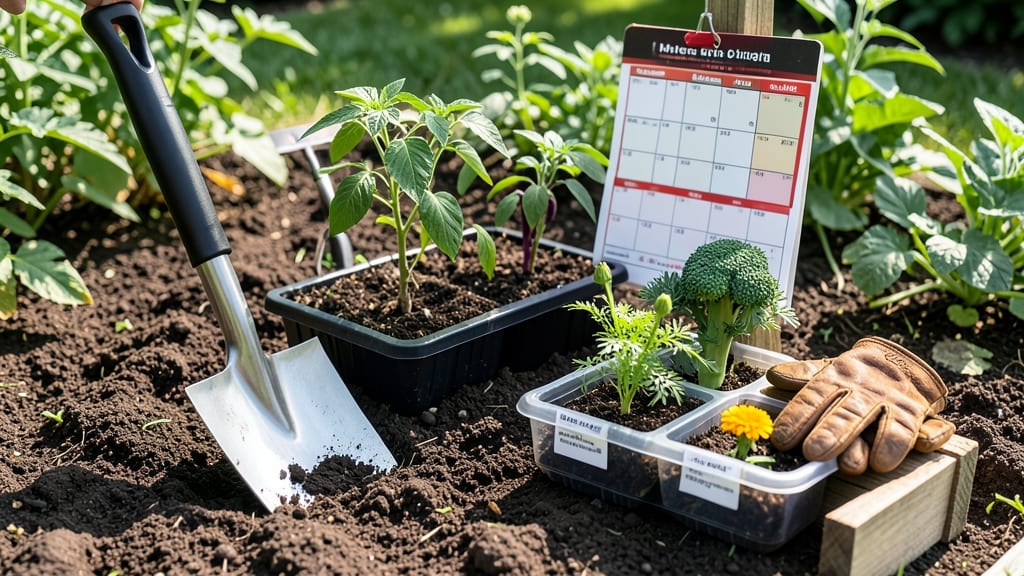
Knowing when is it safe to plant in Michigan can mean the difference between a thriving garden and a frost-killed disappointment. Michigan’s climate isn’t one-size-fits-all—whether you’re in the Upper Peninsula or down south, your frost-free date could shift by weeks.
For most General Vegetable 🌱 lovers in zones 5b-6b, waiting until mid-May (after the last frost) is the golden rule—but there’s more to it. I’ll break down how to time your plantings like a pro, from seed-starting hacks to extending your season without risking a late freeze.
Let’s cut through the guesswork. You’ll learn exactly when to plant cool-season crops (like spinach) versus warm-season stars (tomatoes), plus how to cheat the system with row covers and other tricks. No more second-guessing—just a garden that grows.
Ready to turn your Michigan plot into a high-yield haven? Grab your calendar and let’s get started—your June harvest depends on it.
Michigan's frost-free dates by USDA hardiness zone (2024 guide)
Michigan’s frost-free dates vary dramatically across its 6 USDA hardiness zones, from 4a in the Upper Peninsula to 6b in southern regions. These dates determine when it’s safe to plant frost-sensitive crops like tomatoes and peppers, while hardy greens can handle earlier soil warming.
I’ll break down the average last frost dates by zone, plus how to adjust for your specific microclimate.
For most Michigan gardeners, the last spring frost typically arrives between May 10 and May 20, but northern zones like Marquette (4b) can see frost as late as June 1.
Southern areas like Detroit (6a) often reach frost-free conditions by May 5. These dates are averages—always monitor your local Michigan State University frost forecast for real-time updates.
🌱 PRO TIP: Use a frost blanket or row covers to plant 2-3 weeks earlier than official frost dates for cool-season crops like lettuce or peas.
| USDA Zone | Last Frost Date | First Frost Date | Frost-Free Days | Safe Planting Window |
|---|---|---|---|---|
| 4a (Upper Peninsula) | June 1 - June 10 | September 15 - October 1 | 120-140 days | June 15 - August 1 |
| 4b (Northern Lower Peninsula) | May 20 - May 30 | September 20 - October 5 | 140-160 days | May 30 - August 10 |
| 5a (Central Michigan) | May 10 - May 20 | October 5 - October 15 | 160-180 days | May 20 - August 20 |
| 5b (Southern Lower Peninsula) | April 25 - May 10 | October 10 - October 25 | 180-200 days | May 1 - September 1 |
| 6a (Southwest Michigan) | April 15 - April 25 | October 20 - November 1 | 200-220 days | April 25 - September 15 |
| 6b (Thumb Region) | April 10 - April 20 | November 1 - November 10 | 220-240 days | April 20 - September 30 |
*Dates based on 30-year averages (1991-2020). Adjust for your specific microclimate (e.g., urban areas warm up faster).
If you’re in Zone 5b or warmer, you can start planting cool-season crops like spinach or radishes as early as March 15 under row covers. For warm-season plants like tomatoes, wait until soil temperatures reach 55°F (13°C), which typically aligns with your zone’s last frost date.
Northern zones (4a/4b) should wait until June 1 for heat-loving plants.
Urban gardeners in cities like Detroit or Grand Rapids often experience urban heat islands, which can push frost dates 1-2 weeks earlier than rural areas.
Conversely, lakeside locations (e.g., Traverse City) may see later frosts due to lake breezes. Always check your local weather station for the most accurate predictions.
For container gardening, remember that pots warm up faster than garden beds. You can plant 1-2 weeks earlier in containers, especially if they’re placed on black plastic mulch or near south-facing walls.
Just be prepared to protect them with frost cloth if nighttime temperatures dip below 40°F (4°C).
🌡️ REMEMBER: A late frost in May can wipe out tender seedlings. Use frost alarms or sign up for local weather alerts to stay ahead of surprises. My go-to resource is the Michigan State University Enviro
Safe planting calendar for Michigan vegetables, flowers & herbs
Michigan’s safe planting windows depend on whether you’re growing cool-season crops (like kale) or warm-season favorites (tomatoes). For most of the state, May 15-20 is your target—after the last average frost—but Upper Peninsula gardeners should wait until June 1 to be safe.
I’ve organized this calendar by plant type and USDA zones (5b-6b). Warm-season plants (tomatoes, peppers) need soil temps above 50°F—test with a soil thermometer! Cool-season crops (spinach, peas) can handle 40°F soil and even light frosts.
Pro tip: Use row covers to push warm-season planting back by 2-3 weeks in spring or extend fall harvests. For example, you can plant bush beans as early as May 1 in Zone 6b with protection.
Michigan Planting Windows by Zone & Type
| Plant Type | Zone 5b (UP) | Zone 6a (Mid) | Zone 6b (South) | Notes |
|---|---|---|---|---|
| Cool-Season Veggies (Lettuce, Spinach, Peas) | March 15 - April 30 | March 1 - May 15 | March 1 - May 30 | Direct sow early; succession plant every 2 weeks |
| Warm-Season Veggies (Tomatoes, Peppers, Cucumbers) | May 20 - June 10 | May 1 - June 1 | April 20 - May 15 | Start indoors 6-8 weeks before last frost |
| Flowers (Marigolds, Zinnias, Sunflowers) | May 1 - June 15 | April 15 - May 30 | April 1 - June 1 | Hardy annuals tolerate light frost; deadhead for longer blooms |
| Herbs (Basil, Cilantro, Dill) | May 15 - June 1 | April 30 - May 15 | April 15 - May 1 | Basil hates frost; wait until soil is warm |
| Fall Planting (Kale, Carrots, Radishes) | July 15 - August 15 | July 1 - August 30 | June 15 - September 15 | Plant 6-8 weeks before first frost for harvest |
For heat-loving plants like tomatoes and peppers, consider fast-maturing varieties (e.g., 'Early Girl' tomatoes mature in 55 days) to beat Michigan’s short season. In the Upper Peninsula, opt for cold-hardy varieties like 'Northern Bush' beans or 'Winterbor' kale.
Don’t forget about perennials! Most can be planted in spring or fall, but avoid planting woody shrubs when the ground is frozen. Early September is ideal for fall planting—roots establish before winter.
Need a quick reference? Bookmark this calendar and adjust based on your microclimate. Urban areas stay warmer, while lakeside spots can have unexpected chills. Happy planting—your July harvest will thank you!