
Planting
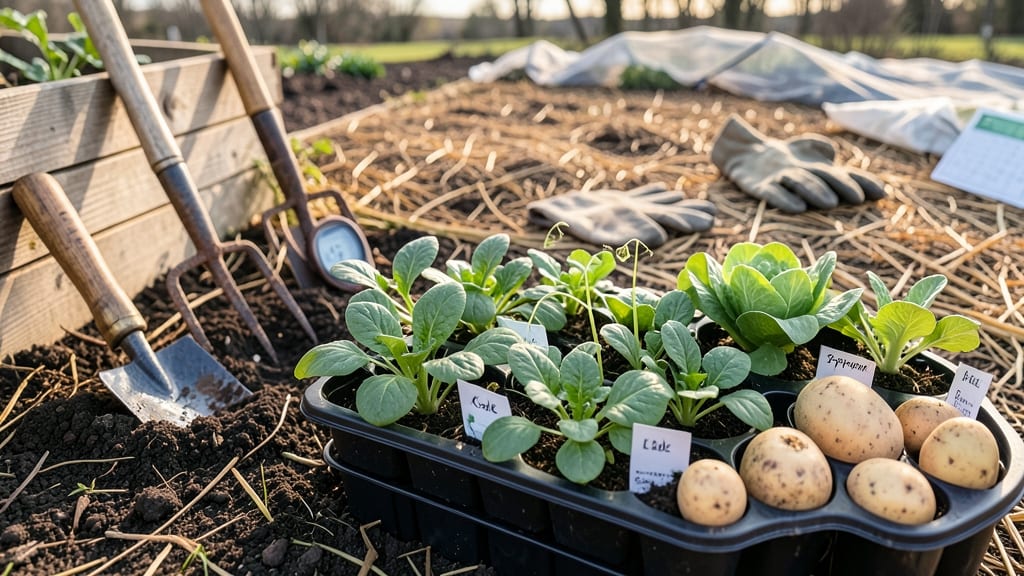
Timing your garden in Michigan’s Zone 5b-6b climate can feel like playing a high-stakes game of chance—plant too soon, and frost will ruin your 🌱 dreams, but wait too long, and you’ll miss peak harvests.
The secret to success lies in understanding the last frost dates and how they shift across the state’s Upper and Lower Peninsulas.
Most Michigan gardeners know the ideal window for planting General Garden Plants (Michigan) falls between late April and mid-May, but the real magic happens when you align your schedule with soil temperatures and regional microclimates.
Whether you’re growing tomatoes, perennials, or hardy greens, getting this right means the difference between a thriving garden and a disappointment.
In this guide, I’ll break down the exact planting windows you need to maximize your garden’s potential, from early spring starts to fall harvests. You’ll learn how to adjust for Michigan’s unpredictable weather, protect young plants, and even extend your growing season with smart techniques.
Let’s get your garden off to the best possible start.
Ready to turn your backyard into a productive oasis? The clock is ticking—spring won’t wait forever, and neither should your planting plans.
Michigan’s Zone 5 frost dates: key planting windows by season
Michigan’s Zone 5 climate means we gardeners must work with a short growing season—typically just 140-180 frost-free days. The difference between a thriving garden and a frost-killed one often comes down to timing. Understanding last frost dates and first frost dates is your secret weapon for success.
In Michigan, the Upper Peninsula and Lower Peninsula have slightly different frost patterns. The Lower Peninsula usually sees its last spring frost between mid-April and early May, while the Upper Peninsula can linger until late May.
For fall planting, the first frost typically arrives in mid-October in the south and early October in the north.
Here’s how these frost dates translate into your planting schedule:
| Season | Key Dates | Planting Window | Ideal Plants |
|---|---|---|---|
| Early Spring | Late March - Early April | Start seeds indoors | Tomatoes, peppers, herbs |
| Late Spring | Mid-April - Early May | After last frost (May 15) | Lettuce, spinach, carrots |
| Summer | June - July | Succession planting | Beans, cucumbers, zucchini |
| Fall | Early September - Mid-October | 4-6 weeks before first frost | Kale, broccoli, radishes |
For warm-season vegetables like tomatoes and peppers, you’ll want to start seeds indoors 6-8 weeks before the last frost date. This gives them a head start, as they need warm soil (60°F+) to thrive.
Cool-season crops like spinach and peas, on the other hand, can handle cooler temperatures and can often be planted as early as March in protected beds.
Michigan’s heat zones also play a role. The southern part of the state (like Detroit and Kalamazoo) tends to warm up faster than northern areas (like Traverse City or Marquette). If you’re in a warmer microclimate, you might push your planting window a week or two earlier.
Always check local Almanac frost dates or use a soil thermometer to confirm when it’s safe to plant.
Perennials and flowers have their own timing needs. Bulbs like tulips and daffodils should be planted in fall (October), while annuals like marigolds can wait until after the last frost. Perennials like coneflowers and black-eyed Susans can be planted in spring or fall, but avoid planting in summer heat.
Pro tip: Use row covers or cold frames to extend your season. These can protect tender plants from late spring frosts or early fall chills, giving you an extra 2-4 weeks of growing time. Just
Finally, keep an eye on your local weather forecasts in the weeks leading up to planting. A sudden cold snap can ruin your hard work, so always have a backup plan—whether it’s a greenhouse, indoor grow lights, or a nearby nursery to grab replacements.
Best vegetables to plant in Michigan by month: a month-by-month guide
Michigan’s Zone 5b-6b climate rewards gardeners who align their planting schedule with the seasons. For cool-season crops like spinach and kale, aim to sow seeds in early spring (March-April) or late summer (August-September) for fall harvests.
These hardy greens thrive when soil temperatures hover between 40°F and 65°F, making them perfect for Michigan’s cooler months.
Warm-season favorites like tomatoes, peppers, and squash demand patience—they need soil temperatures above 60°F and frost-free conditions. In Michigan, this typically means waiting until mid-May to early June after the last frost date.
Starting these plants indoors in March or April gives them a head start for transplanting once the danger of frost has passed.
🌱 Month-by-Month Planting Guide for Michigan Gardens
Start cool-season crops indoors: lettuce, broccoli, onions.
Direct-sow peas, spinach, radishes, and hardy greens.
Transplant tomatoes, peppers, and herbs after last frost.
Sow beans, cucumbers, and squash for summer harvests.
Succession plant lettuce and kale for fall harvests.
Start cool-season crops for fall: carrots, beets, radishes.
Plant garlic and onions for next year’s harvest.
Cover soil with mulch to protect roots from frost.
For succession planting, stagger your sowing every 2-3 weeks to ensure a continuous harvest. For example, plant radishes every 10 days in spring and again in late summer for a steady supply.
This technique works especially well for leafy greens and herbs, which can bolt (flower prematurely) if left to grow all at once.
Don’t overlook fall planting—it’s a gardener’s secret to extending the season. By late summer, focus on cold-hardy crops like kale, Swiss chard, and Brussels sprouts. These plants not only survive light frosts but often sweeten in flavor after a frost.
Plant these 4-6 weeks before your first frost date (typically mid-September to early October in Michigan) to give them time to establish roots before winter sets in.
Pro tip: Use row covers or cold frames to protect tender plants like spinach and lettuce from late-season frosts. These simple tools can buy you an extra 2-4 weeks of growing time, making it possible to harvest well into November in milder Michigan microclimates.
Remember, Michigan’s Upper Peninsula has a shorter growing season than the Lower Peninsula, so adjust your timeline accordingly. In colder regions, prioritize fast-maturing varieties and start seeds indoors earlier to maximize your harvest.