
Plants
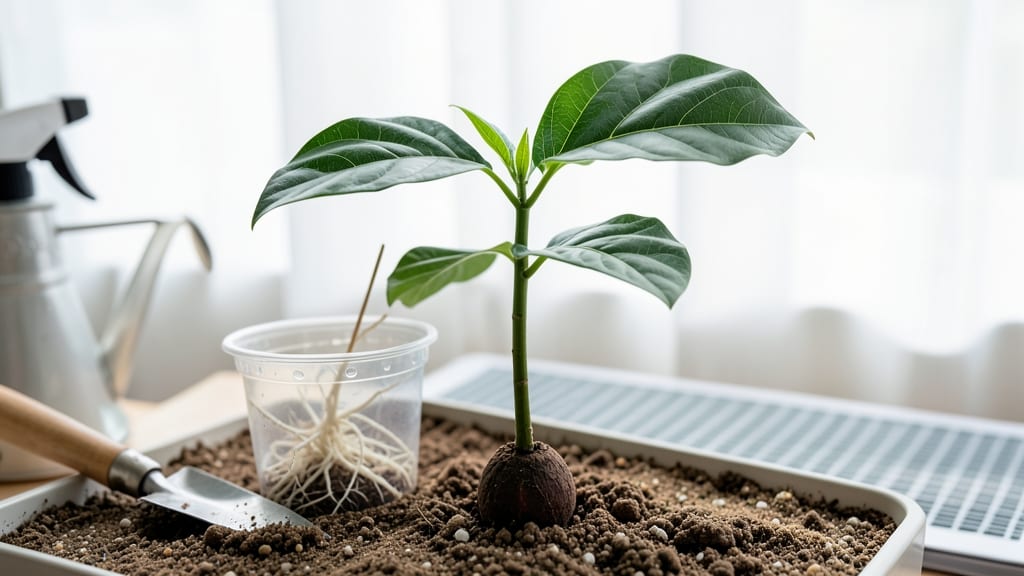
Planting an avocado seed 🥑 in soil at the wrong time can mean the difference between a thriving young tree and a sad, rotting mess. The key to success isn't just about when you plant—it's about understanding the perfect conditions for your seed to take root and grow strong.
Most gardeners make one of two mistakes: planting too early when the soil is still cold, or waiting too long and missing the ideal germination window.
For zones like 6a, the best time to transfer your avocado seed to soil is after the last frost, typically in spring when temperatures consistently stay above 60°F.
But here's the thing—you don't just throw the seed in the dirt and hope for the best. The weeks leading up to planting are just as critical, and I'll walk you through every step, from soaking your seed to preparing the perfect soil mix for those delicate roots.
Whether you're growing your avocado indoors near a sunny window or outdoors in your garden, this guide will give you the confidence to time your planting perfectly. Let's get those roots growing the right way.
Optimal germination timeline for avocado seeds before soil planting
Avocado seeds need patience and precise timing before they’re ready for soil. The 4-8 week pre-soil phase is where roots develop, and rushing this step often leads to rot or stunted growth. Understanding each root development stage helps you know exactly when to transition your seed into soil.
Start by soaking your cleaned avocado seed in water for 2-3 days—this kickstarts germination. Place it in a glass with 3-4 inches of water, ensuring only the bottom half submerges. Change the water every 2 days to prevent bacterial growth and keep it oxygenated.
After 2-3 days, you’ll see the seed split open and a small root emerge. This is Day 1 of root growth, and your seed is now ready for the next critical phase: root development. Keep it in water for 2 more weeks while monitoring for these milestones:
- 📅 Week 1: Root grows 1-2 inches (keep in water; no soil yet).
- 📅 Week 2: Root reaches 2-3 inches (brownish tip signals readiness for soil).
- 📅 Week 3-4: Root hits 3-4 inches (ideal for transplanting).
- 🚨 Warning: Roots turning black or mushy? You waited too long—plant immediately.
During Weeks 2-3, your seed’s root system will grow rapidly. Aim for roots that are 2-3 inches long before planting—this ensures stability and reduces transplant shock. If roots develop brownish tips, it’s a sign they’re ready for soil and need oxygen.
By Week 4, your seed should have a well-developed root system (3+ inches) and a small sprout peeking above the seed. This is your cue to prepare for soil planting. Avoid letting roots exceed 4 inches in water, as they become root-bound and struggle to adapt.
If your seedling develops yellow leaves or slow growth in water, it’s root-bound or nutrient-deficient. This is a sign to plant immediately—even if roots aren’t 3 inches. Use a well-draining soil mix to prevent shock.
For indoor growers, timing isn’t tied to seasons—just monitor root growth. But if you’re planting outdoors, aim for spring (after last frost) to align with natural warmth and moisture cycles. In USDA Zone 6a, this means April-May for optimal results.
Pro tip: Label your seedling’s planting date in a garden journal. Tracking this helps you anticipate future care, like transplanting to larger pots (after 6 months) or outdoor acclimation (after 12 months).
Remember, patience is key—avocado seeds germinate slower than many other plants. If your seed takes 6-8 weeks to develop roots, it’s still normal. The goal is healthy roots, not speed.
Best soil planting conditions for avocado seed germination success
Now that your avocado seed has developed 2-3 inch roots in water, it’s time to transition it to soil—but not just any soil. The right planting conditions make the difference between a thriving seedling and one that struggles.
The key is creating a well-draining, nutrient-rich environment that mimics its natural tropical habitat while preventing common pitfalls like root rot or damping-off.
Start with a 6-inch deep pot (or larger) filled with a 50/50 mix of potting soil and perlite or coarse sand. This blend ensures aeration and drainage—critical for avocado roots, which hate soggy conditions.
Avoid garden soil; its density can suffocate young roots and trap excess moisture. If you’re planting outdoors, choose a sheltered, warm spot (like near a south-facing wall) to protect your seedling from harsh winds or frost.
Here’s what your ideal planting setup should include to ensure success:
| Requirement | Specification |
|---|---|
| Soil Mix | 50% potting soil + 50% perlite/sand |
| Pot Size | Minimum 6 inches deep (drainage holes required) |
| Sunlight | Indirect light (4-6 hours/day) for first 2 weeks |
| Temperature | 65-85°F (avoid drafts or cold spots) |
| Watering | Keep soil moist but not soggy (water when top inch is dry) |
| Planting Depth | Seed halfway buried (only top half exposed) |
When planting, gently place your seedling into the soil mix, ensuring the root base sits just below the soil surface. Press lightly around the roots to secure them, but avoid compacting the soil—this restricts airflow.
Water thoroughly after planting to settle the soil and remove air pockets, but avoid oversaturating. For the first 2 weeks, keep your seedling in indirect light (like a north-facing window) to prevent leaf scorch. Gradually increase sunlight exposure over 1-2 weeks once new growth appears.
Temperature control is another critical factor. Avocado seedlings thrive in 65-85°F ranges—any colder, and growth stalls. If planting outdoors in Zone 6a, wait until after the last frost (mid-April) and choose a spot protected from late-season frosts.
For indoor growers, place your pot near a south-facing window or under a grow light for 6+ hours daily. Avoid placing it near heating vents or AC units, which cause temperature fluctuations.
One of the biggest mistakes is overwatering during the first month. Avocado seedlings are prone to root rot if soil stays waterlogged. Let the top 1 inch of soil dry out between waterings, and always use a pot with drainage holes.
If you notice yellowing leaves or a foul smell, reduce watering immediately and check for drainage issues. Mulching with orchid bark (1 inch thick) helps retain moisture while improving aeration.
Within 4-6 weeks of soil planting, you should see new leaves emerging—a sign your seedling is adapting well. This is when you can start fertilizing lightly (every 6-8 weeks) with a balanced 10-10-10 fertilizer to support early growth.
But remember: patience is key. Avocado trees take 5-13 years to bear fruit, so focus on nurturing strong roots and foliage now.