
Companion Plants
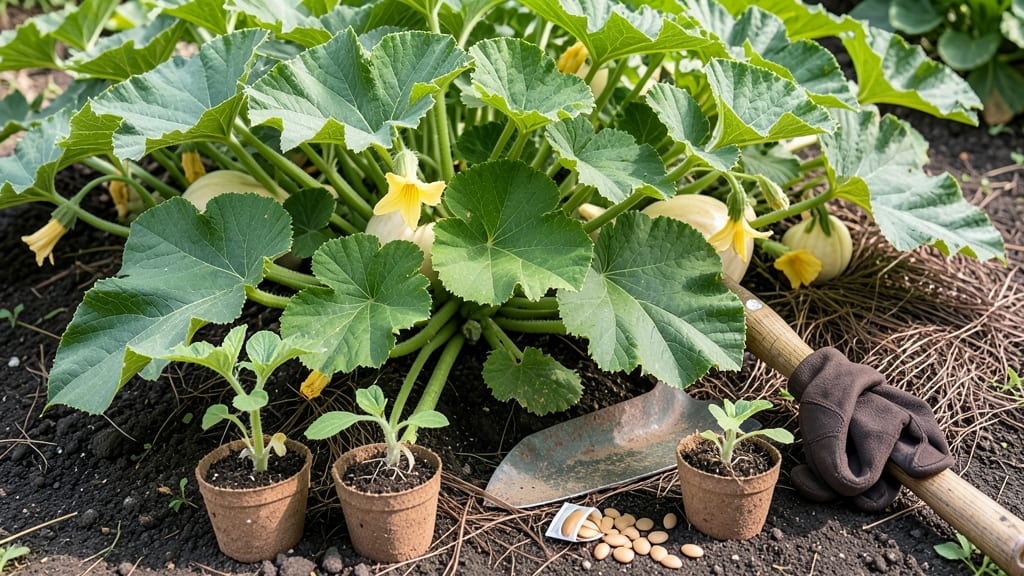
Timing your pumpkin planting in Michigan isn't just about throwing seeds into the dirt and hoping for the best—it's the difference between a thriving 🎃 patch and a disappointing harvest.
With Michigan's 5b-6b zones and unpredictable spring weather, knowing exactly when to plant gives your pumpkins the best shot at success.
Most gardeners in Michigan wait until late spring to early summer, after the last frost date, but there's more to it than just the calendar. Soil temperature plays a crucial role—pumpkin seeds need warm earth to germinate properly, and Michigan's cool springs can delay growth if you're not careful.
In this guide, I'll break down the exact planting windows for your zone, whether to start seeds indoors or direct-sow, and how to adjust for Michigan's unique climate challenges. You'll learn the most important factors to consider before sticking that trowel in the ground.
By the end, you'll know exactly when to plant for healthy vines, abundant blooms, and pumpkins ready for harvest by fall. Let's get your Michigan garden prepped for a bountiful season!
Michigan pumpkin planting dates by hardiness Zone (5-6)
Michigan’s USDA zones 5b-6b offer a short but productive growing season for pumpkins—if you time your planting right. With 90-120 frost-free days, you’ll need to plant seeds early enough to ensure a harvest before mid-October’s first frost.
Most Michigan gardeners succeed by starting seeds indoors 2-3 weeks before the last frost or sowing directly outdoors once soil warms to 70°F.
For northern Michigan (Zone 5b), where springs are cooler, aim to transplant seedlings outdoors by May 15-30. In southern Michigan (Zone 6b), you can push this window to May 1-15, giving your vines more time to mature.
The key is balancing frost risk with soil temperature—cold soil delays germination, while hot soil can scorch seeds.
Here’s how to align your planting with Michigan’s two distinct zones, including soil temperature thresholds and frost-free windows:
| Zone | Last Frost Date | Soil Temp Threshold | Direct Sow Window | Transplant Window |
|---|---|---|---|---|
| 5b (Northern MI) | Mid-April to Early May | 70°F+ | May 20–June 5 | May 15–30 (seedlings) |
| 6b (Southern MI) | Late April to Mid-May | 70°F+ | May 10–June 1 | May 1–15 (seedlings) |
For direct-sown seeds, wait until soil reaches 70°F—this prevents rot and poor germination. In Zone 5b, this often means waiting until late May or early June. If you’re transplanting seedlings, start them indoors 3-4 weeks before your target outdoor date to give them a head start.
Varieties like ‘Howden’ (80 days) and ‘Jack Be Little’ (75 days) are ideal for Michigan’s shorter season.
Michigan’s unpredictable late frosts can derail pumpkin growth, so use row covers or cold frames for early seedlings. Harden off seedlings gradually by exposing them to outdoor conditions for 1-2 hours daily starting 1 week before transplanting.
This toughens vines and reduces shock. For northern Michigan gardeners, consider black plastic mulch to warm soil faster and extend the growing season.
If you miss the ideal window, don’t panic—late plantings can still work if you choose fast-maturing varieties (e.g., ‘Sugar Pie’ at 75 days). However, vines may struggle to produce fruit before frost.
To hedge your bets, plant a second batch of seeds 2 weeks later—this staggered approach increases your chances of a harvest, even with Michigan’s variable weather.
Once planted, mulch heavily to retain moisture and suppress weeds, which compete for nutrients. Pumpkins need 1-2 inches of water weekly, especially during flowering (July) and fruiting (August).
In Michigan’s humid summers, watch for powdery mildew—space vines 3-4 feet apart to improve airflow and reduce disease risk.
By following these zone-specific dates and adjusting for soil temperature, you’ll give your pumpkins the best shot at thriving in Michigan’s short but sweet growing season. With the right timing, you’ll be carving perfect jack-o’-lanterns by Halloween—no gamble needed! 🎃
How to time pumpkin planting for Michigan’s unpredictable weather
Michigan’s spring weather is famously fickle—one day warm and sunny, the next a surprise frost. This unpredictability makes timing your pumpkin planting a critical skill.
Unlike warmer climates, you can’t just follow a calendar; you need to adapt based on soil temperature, frost forecasts, and even the readiness of your seedlings. I’ve planted pumpkins in Michigan for years, and I’ve learned that waiting for the "perfect" day often leads to missed opportunities.
The key is balancing warm soil (pumpkin seeds need at least 70°F to germinate) with frost-free nights. Most Michigan gardeners aim for late May to early June, but this can shift based on your specific location.
For example, northern Michigan’s Zone 5b may need to wait until early June, while southern Zone 6b could start in late May. Always check your local frost dates—Michigan State University Extension provides updated forecasts.
Here’s my foolproof method: Start testing your soil temperature with a soil thermometer in mid-May. If it consistently stays above 60°F during the day and doesn’t drop below 50°F at night, it’s time to plant.
This window often aligns with Memorial Day weekend, but don’t rely on the date alone—your soil might still be too cold. Cold soil delays germination, and pumpkin seeds can take 7–14 days to sprout, leaving little room for error in Michigan’s short growing season.
Planting too early in cold soil risks seed rot or slow germination. If your soil is below 60°F, wait—pumpkin seeds won’t thrive in chilly conditions. Frost kills seedlings, so avoid planting before your last frost date, even if the soil feels warm on the surface.
For gardeners eager to extend their season, row covers or cold frames can buy you an extra 2–3 weeks of planting time. I’ve used floating row covers to protect seedlings from late frosts in May, allowing me to plant as early as mid-May in Zone 6b.
Just remove the covers once the plants are established (about 2–3 weeks after germination) to prevent overheating. Another trick? Start seeds indoors 2–3 weeks before your target outdoor planting date. Pumpkins grow quickly, so you don’t need a long indoor phase—just enough to get a head start on the season.
Watch for seedling readiness too. If your indoor starts get leggy (tall and weak), they’re not ready to transplant. Harden them off by placing them outdoors in a sheltered spot for 3–5 days before moving them to the garden.
Leggy seedlings struggle to recover in Michigan’s windy conditions, so timing your transplant is just as critical as planting the seeds. Aim for 4–6 true leaves before transplanting, and do it on a cloudy day to reduce stress.
Finally, keep an eye on the weather forecast in the week leading up to your planting date. If a cold snap is predicted, delay planting by 7–10 days. Pumpkin vines are resilient, but young plants can’t handle frost.
In my experience, the last two weeks of May offer the best balance of warm soil and low frost risk for most of Michigan. By then, the days are long enough to support rapid vine growth, and the nights are consistently above 50°F.