
Planting
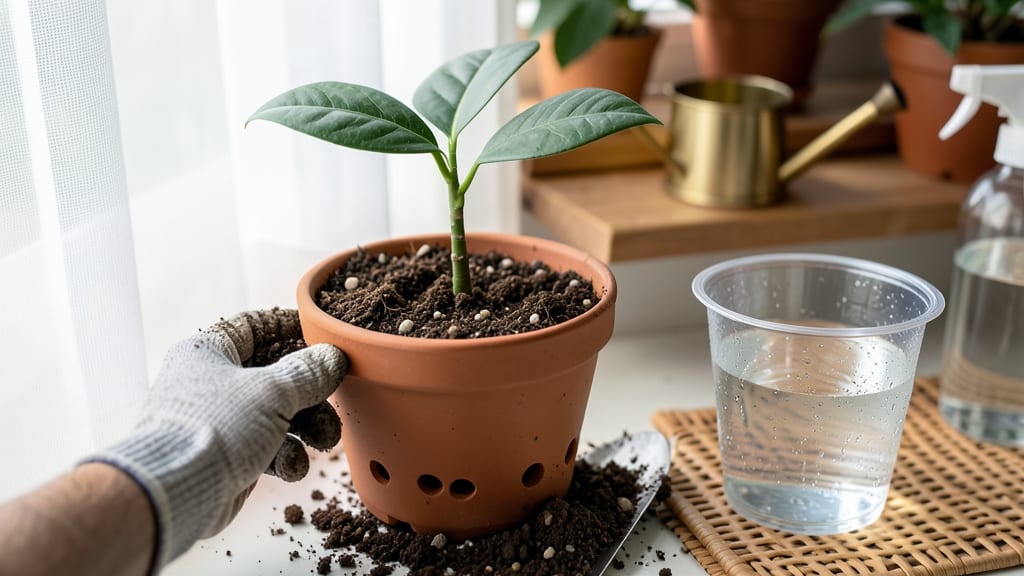
If you’ve been watching your avocado pit sprout roots in a glass of water, you’re probably wondering: when should I put my avocado plant in soil? The answer isn’t just about root length—it’s about timing to avoid rot or stunted growth.
Plant too soon, and you risk drowning delicate roots; wait too long, and your seedling may struggle to adapt. Let’s break down the perfect moment to make the move, so your 🥑 thrives from day one.
Most avocado seedlings are ready for soil transfer when their roots reach 2-3 inches in length and develop a firm, woody base. This usually happens within 4-6 weeks of germination, but patience is key—rushing can lead to weak roots that struggle to support the plant.
Before you plant, ensure your seedling has strong, white roots and a sturdy stem, signs it’s ready for its new home.
Timing also depends on your climate. In Zone 6a, aim to transplant your avocado in spring (April-May), after the last frost has passed. If you’re growing indoors, you can plant anytime, but mimicking outdoor conditions—like bright, indirect light—helps your seedling adjust smoothly.
The goal? A seamless transition from water to soil without stress.
Once you’re ready, the right soil mix and care routine make all the difference. We’ll cover everything you need to know—from well-draining soil blends to post-planting tips—to give your avocado the best start possible. Let’s get those roots growing strong!
Avocado germination timeline: key stages before planting in soil
Your avocado seedling’s journey from pit to potting soil hinges on root development. The ideal transplant window arrives when roots reach 2-3 inches long and the stem base feels firm.
This typically takes 4-6 weeks of indoor germination, but timing varies based on temperature and humidity. Patience here prevents root rot or transplant shock.
During the first 2 weeks, your avocado pit focuses on sprouting a single root (the radicle) while the shoot emerges. Keep the pit in lukewarm water (60-70°F) with 1/3 submerged—this mimics natural moisture conditions.
Avoid tap water with chlorine; let it sit 24 hours before use to dissipate chemicals.
By week 3, you’ll see secondary roots branching out. This is when the seedling’s root system stabilizes, but it’s still too delicate for soil. Continue using the same water setup, but rinse the jar weekly to prevent bacterial buildup.
A small fan on low near the jar encourages stronger stems by simulating airflow.
🌱
Step-by-Step Avocado Germination Timeline
- Week 1-2: Radicle emerges (first root) + shoot breaks soil line. Action: Maintain 1/3 water submersion, no soil yet.
- Week 3: Secondary roots form (1-2 inches). Action: Rinse jar weekly; introduce bright indirect light.
- Week 4: Roots reach 2+ inches, stem thickens. Action: Begin hardening off (reduce water submersion to 1/4).
- Week 5-6: Roots hit 3 inches, base feels firm. Action: Transplant ready! Prepare soil mix and container.
At week 4, your seedling’s roots should measure 2+ inches and the stem base will thicken noticeably. This is your green light for hardening off: gradually reduce water submersion from 1/3 to 1/4 of the root system.
Place the jar near a south-facing window for 4-6 hours daily to acclimate to direct light.
By week 5-6, roots often exceed 3 inches, and the seedling may develop 2-3 true leaves. Press the stem base gently—it should feel firm, not hollow.
If roots are woody and white (not brown/mushy), it’s time to transplant. Delaying beyond this window risks root binding, where roots circle the jar and strangle growth.
Transplanting too soon (before 2-inch roots) causes root damage during transfer, while waiting too long (past 6 weeks) can lead to overcrowded roots that struggle in soil.
Monitor your seedling’s growth rate: faster sprouts (in warm climates) may need transplanting earlier, while cooler homes may require extra time.
🌿
Use this timeline as a flexible guide, not a rigid rule. Factors like temperature (ideal: 70-80°F), humidity, and light exposure can shift your seedling’s pace.
For example, a seedling in a sunny kitchen may hit transplant readiness in 5 weeks, while one in a basement could take 8 weeks. Adjust based on visual cues, not just time.
Once roots hit 3 inches, act within 3-5 days to avoid root stress. Prepare your soil mix and container (we’ll cover this in the next section), and choose a cloudy day for transplanting to reduce shock. Your avocado’s future as a fruit-bearing tree starts with this precise timing!
How to prepare your avocado seedling for soil: step-by-step transition guide
Transitioning your avocado seedling from water to soil requires careful preparation to avoid shock. Start by hardening off your seedling 3-5 days before planting. Place it near a bright, indirect light source (like a south-facing window) for a few hours daily, gradually increasing exposure.
This mimics outdoor conditions and strengthens the stem. If you’re transplanting outdoors, begin with 2-3 hours of sunlight and slowly extend the time.
Next, choose the right container size—at least 6 inches deep and wide—to accommodate root growth. Avocado seedlings need room to expand, so avoid cramped pots. If planting outdoors, select a spot with well-draining soil and partial shade (they tolerate full sun later but prefer gentler conditions at first).
Ensure the location is sheltered from strong winds, which can stress young plants.
Before planting, inspect your seedling’s roots for health. Healthy roots are white, firm, and 2-3 inches long. Trim any mushy or brown roots with clean scissors to prevent decay.
Soak the roots in room-temperature water for 10 minutes to hydrate them gently before transferring. This step reduces transplant shock and encourages faster adaptation to soil.
Prepare your soil mix by combining 60% potting soil, 30% perlite or sand, and 10% compost. This blend ensures drainage while retaining moisture. Fill your container or planting hole halfway with this mix, then position your seedling at a 45-degree angle (avocados naturally grow this way).
The stem should sit half-buried, half-exposed—this prevents rot while allowing the plant to stabilize.
After planting, water thoroughly until water drains from the bottom of the container or seeps into the soil below. Avoid overwatering, as soggy soil suffocates roots. Place a humidity tray (a shallow tray with pebbles and water) underneath the pot to maintain moisture levels.
Keep your avocado in bright, indirect light for the first week, then gradually introduce more sunlight as it adjusts.
Monitor your seedling closely for signs of stress, like yellowing leaves or wilting. These may indicate overwatering, poor drainage, or insufficient light. Adjust care accordingly—avocados thrive with consistent moisture and warmth (ideal temperature: 65-80°F).
With proper prep, your seedling will establish strong roots in soil within 2-4 weeks, setting the stage for healthy growth.