
Plants
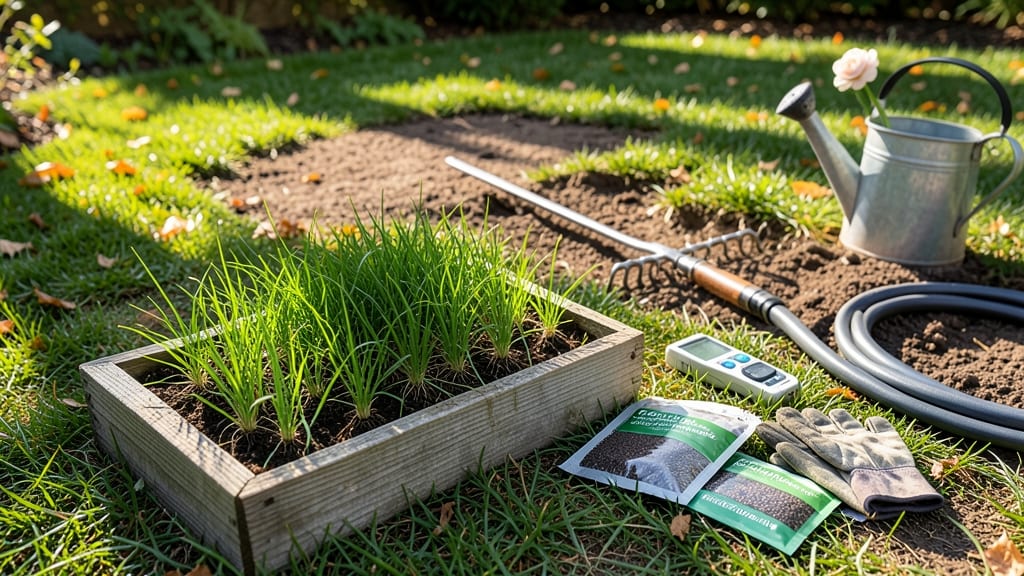
Planting grass seed at the wrong time in Colorado can mean slow germination, patchy lawns, or even wasted seed—especially with the state’s dramatic elevation shifts and unpredictable weather patterns.
If you’ve ever stared at your yard wondering when the perfect moment is to plant that fresh 🌱 grass, you’re not alone. Colorado’s USDA zones 4-7 create unique challenges, from early spring snowmelt to late fall frost.
The key to a lush, fast-growing lawn lies in timing it right—whether you’re in Denver’s lowlands or the high-altitude mountains.
Most gardeners assume spring is the only window, but fall actually offers better germination in many regions. I’ll break down the best months for your specific elevation, plus how to prepare your soil for maximum success—so you can avoid common mistakes that sabotage even the most well-intentioned lawn projects.
Ready to transform your patchy yard into a vibrant green space? Let’s dive into the science-backed schedule that works for Colorado’s diverse climate, ensuring your grass seed takes root fast and stays healthy all season.
Best months to plant grass seed in Colorado by elevation zone
Colorado’s dramatic elevation changes create wildly different planting windows—what works in Denver (5,000 ft) fails in Aspen (8,000 ft). The key is soil temperature, not just calendar months.
Most grass seeds need soil at 50–65°F to germinate, but high-altitude areas stay cooler longer. Let’s break it down by zone to avoid wasted seed and patchy lawns.
For Front Range cities (Denver, Colorado Springs, Fort Collins) at 5,000–7,000 ft, aim for March–April (spring) or September–early October (fall). These months balance warm soil and consistent moisture—critical for cool-season grasses like Kentucky bluegrass and fescue, which dominate Colorado lawns.
Spring planting gives seeds 6–8 weeks of growth before summer drought hits.
In mountain regions (7,000–9,000 ft), like Estes Park or Breckenridge, shift your schedule 2–4 weeks later due to cooler soils and late snowmelt. Aim for May–June (spring) or August–September (fall).
Grasses like fine fescue thrive here because they tolerate shorter growing seasons and acidic soils. Plant too early, and frost will kill seedlings; too late, and summer drought will dry them out.
High-altitude areas (9,000+ ft), such as Leadville or Telluride, demand even more patience. Your window shrinks to June–July (spring) or late August (fall). These zones often rely on warm-season grasses like buffalo grass or wheatgrass, which handle cool nights and intense sun. Use starter fertilizer to jumpstart growth in just 60–70 frost-free days.
Regardless of elevation, avoid planting in summer (June–August) unless you’re in the High Plains. The intense sun and dry winds dehydrate seeds before they sprout. Even fall planting after October risks early frosts stunting germination.
For Denver’s Front Range, September 15 is often the last safe date—after that, seeds may not establish roots before winter.
One critical exception is overseeding in late summer (August) to fill thin spots. Use ryegrass, which germinates faster in warm soil and provides winter color. Just water deeply every 2–3 days to keep soil moist until germination (about 7–14 days).
For urban vs. rural differences, city areas (like Denver’s downtown) may have warmer microclimates due to concrete heat absorption, allowing slightly earlier spring planting. Rural areas, however, often face cooler soils and more frost risk, so err on the later side of the recommended windows.
Always check your local Cooperative Extension office for last-frost averages—they’re your best guide.
Finally, warm-season grasses (like
How Colorado’s microclimates affect grass seed germination success
Colorado’s dramatic elevation changes create microclimates that can shift your ideal planting window by weeks—or even months. What works in Denver (5,280 ft) may fail in Telluride (8,750 ft), where colder soils and later snowmelt delay germination. Understanding these variations helps you avoid patchy lawns or wasted seed.
Urban areas like Colorado Springs or Aurora often experience earlier soil warming in spring due to urban heat islands, while rural mountain towns stay cooler longer.
Even within the same city, a south-facing slope may thaw weeks before a shaded valley. These differences mean your neighbor’s success doesn’t guarantee yours!
Snowmelt timing is another critical factor. In high-altitude regions (9,000+ ft), lingering snow can delay planting until late May or June, while Front Range areas may see workable soil as early as mid-March. Always check USDA frost maps for your specific ZIP code to refine your schedule.
Moisture retention varies wildly too. Clay-heavy soils in the San Luis Valley hold water longer than sandy soils in Pueblo, affecting how often you’ll need to water. Test your soil’s drainage rate by digging a 6-inch hole—if water pools after 24 hours, you’ll need to amend it before planting.
Urban vs. rural areas also play a role. City lawns often benefit from infrastructure shade (trees, buildings), while rural fields get harsher sun exposure. Adjust your grass variety choice—tall fescue thrives in shaded urban spots, while Kentucky bluegrass needs full sun found in open rural areas.
To adapt: monitor your local CoCoRaHS weather station for real-time soil moisture data, and observe nearby gardens. If you see dandelions blooming in early spring, your microclimate is likely ready for cool-season grass seed. For high-altitude areas, consider warm-season grasses like buffalo grass, which tolerate later planting.