
Plants
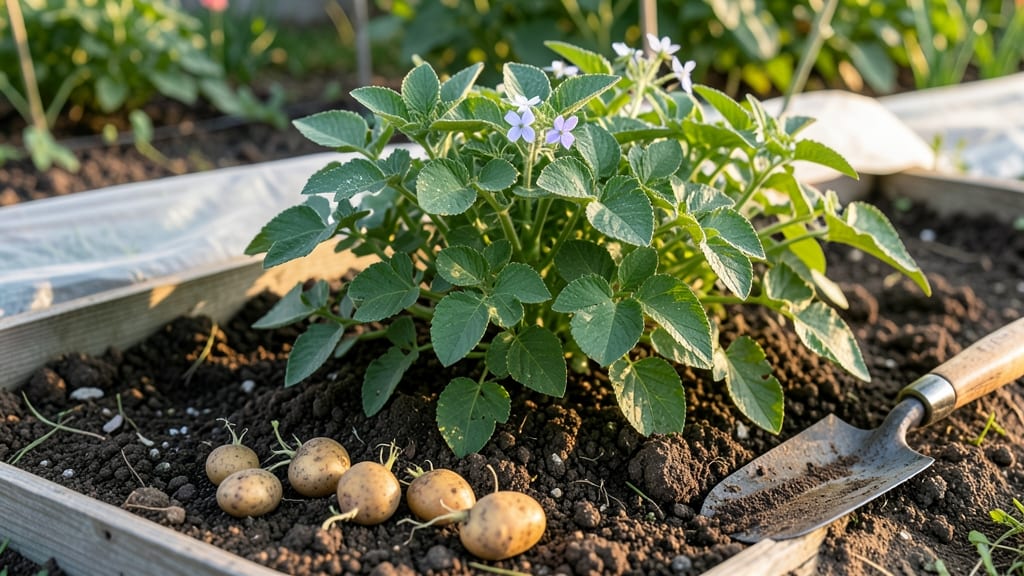
When should you plant potatoes in Pennsylvania to ensure a bountiful harvest? Timing your potato planting in the Keystone State could make or break your crop—get it right, and you’ll enjoy crisp, homegrown 🥔 by summer’s end.
The difference between a thriving crop and a failed one often comes down to understanding your local frost dates and soil temperatures, especially in zones 5b-7a.
Most gardeners in Pennsylvania start planting 2-4 weeks before the last frost, typically in early April, but late winter options exist with frost protection. The key is waiting until soil temperatures hit at least 45°F, which ensures strong root development and avoids frost damage.
In this guide, I’ll break down the best planting windows for your region, whether you’re in the cooler northwest or warmer southeast. You’ll also discover how to adjust your schedule based on weather forecasts and soil conditions for a foolproof harvest.
Ready to grow potatoes that rival store-bought? Let’s dive into the perfect planting calendar tailored just for Pennsylvania’s climate.
Pennsylvania potato planting calendar: frost-free dates by region
Pennsylvania’s diverse climate means your potato planting window varies by region. The Keystone State spans USDA zones 5b to 7a, with last frost dates ranging from late March in the south to mid-April in northern areas.
To maximize your harvest, align planting with soil temperatures of at least 45°F—cold soil slows sprouting and invites rot.
Most gardeners in Pennsylvania plant 2-4 weeks before the last frost, but timing depends on your specific microclimate. For example, Pittsburgh (Zone 6b) typically plants in early April, while Philadelphia (Zone 7a) can start as early as late March.
Always check local frost-free date averages—your county extension office is a reliable source.
Here’s a quick reference for Pennsylvania’s three main regions, including ideal planting windows and key soil temperature thresholds:
| Region | USDA Zone | Last Frost Date | Ideal Planting Window | Soil Temp Threshold |
|---|---|---|---|---|
| Southeast (e.g., Philadelphia) | 7a | Late March | Late March to early April | 45°F+ |
| Central (e.g., Harrisburg) | 6b | Early April | Early to mid-April | 45°F+ |
| Northwest (e.g., Erie) | 5b | Mid-April | Mid-April to early May | 45°F+ |
If you’re eager to start earlier, consider chitting your seed potatoes (pre-sprouting indoors) 4-6 weeks before planting. This gives you a head start, especially in cooler northern regions like Erie where soil warms slowly.
Just place your potatoes in a bright, cool spot (around 50-60°F) and watch for 1-inch sprouts before transplanting.
Pro tip: Use a soil thermometer to confirm readiness—planting too early in cold soil can stunt growth or invite potato scab, a common fungal issue in Pennsylvania. Aim for consistency: soil should stay above 45°F for at least 10 days after planting to encourage uniform sprouting.
For those in Zone 7a (southern PA), you can also try a fall planting in late summer (August) for a second harvest. Choose early-maturing varieties like ‘Red Norland’ and harvest before the first frost—this works best in warmer microclimates like Chester County.
Remember, Pennsylvania’s first frost typically arrives between mid-October and early November, giving you a 165-200 day growing season. Plan accordingly: if you’re growing late-maturing varieties (like ‘Russet Burbank’), start them as early as possible or opt for faster varieties to avoid frost damage.
🌱
How to adjust planting time based on soil temperature and weather forecasts
Pennsylvania’s unpredictable spring weather can throw off even the most experienced gardener. To avoid frost damage or early blight, I always check two critical factors: soil temperature and long-term forecasts. Seed potatoes need the ground to warm to at least 45°F—any colder, and they’ll rot.
Use a soil thermometer to test depth (4 inches down), especially in Northwest PA, where cold snaps linger longer.
If your soil isn’t ready by the ideal planting window, don’t panic—you have options. Row covers or cold frames can buy you 2-3 extra weeks of planting time.
I’ve successfully planted in late March under floating row covers, even when nighttime temps dipped into the 30s°F. Just remove covers once true leaves emerge to prevent overheating.
Next, consult your local weather forecasts, not just the national ones. Sites like the National Weather Service or Old Farmer’s Almanac provide 10-14 day outlooks that reveal trends. If a hard freeze is predicted within 2 weeks of planting, delay until soil warms further.
In Southeast PA, where springs arrive earlier, you might plant as early as mid-March, but Central PA gardeners often wait until early April to play it safe.
🌱
- 🌡️ Test soil temperature at 4-inch depth—wait until it hits 45°F+ consistently.
- 📅 Check 10-day forecasts for frost risks; delay if 32°F+ temps are predicted.
- 🛡️ Use row covers for 2-3 weeks post-planting if nights are chilly (remove by true leaf stage).
- 🌱 Chit seed potatoes 4-6 weeks before planting to jumpstart growth in cool springs.
- 📝 Note your last frost date—plant 2-4 weeks before for early varieties.
For those in USDA Zone 5b (common in PA), I recommend planting in two batches: one in early April for early varieties like ‘Red Norland’, and a second in mid-May for later types like ‘Kennebec’.
This staggered approach spreads out your harvest and reduces risk. If you’re in Zone 7a (southern PA), you can even try a fall planting in late August for a winter harvest—just use early-maturing varieties and protect with mulch.
Pro tip: If your soil stays cold past mid-April, consider container growing. Fill pots with a mix of compost and perlite, place them near a south-facing wall to absorb warmth, and plant 2-3 weeks earlier than ground planting.
Containers warm up faster and give you control over drainage—critical for potatoes.
Finally, don’t forget to monitor your plants after emergence. If blackleg disease (a fungal issue from cold, wet soil) appears, remove infected plants immediately and improve drainage. With these adjustments, you’ll beat Pennsylvania’s unreliable spring and still enjoy a bountiful potato harvest. 🥔