
Plants
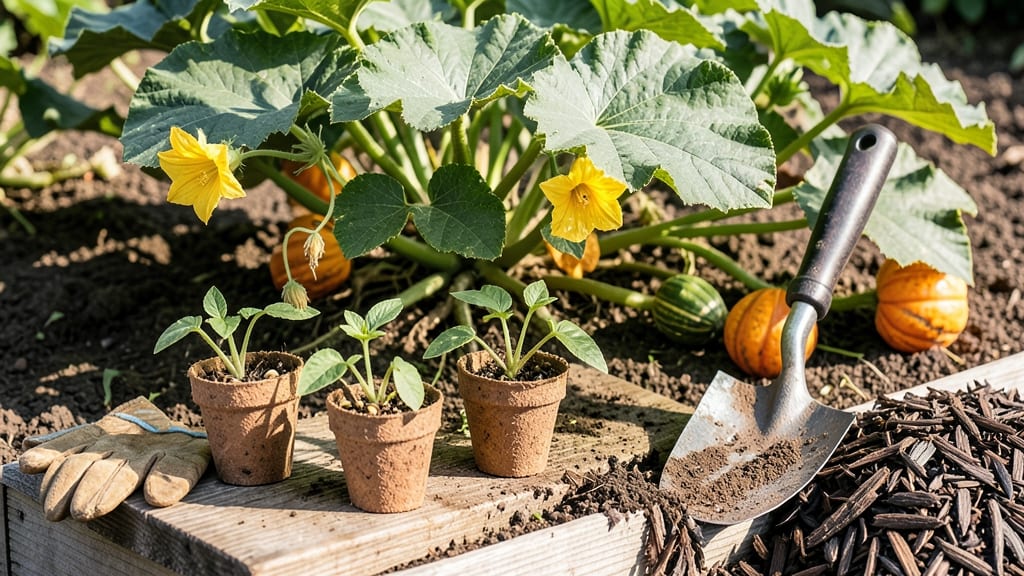
If you’ve ever wondered when to plant pumpkins in Indiana without risking frost damage or stunted growth, timing is everything—and the 6a zone has specific deadlines you can’t afford to miss.
Indiana’s spring weather can be as unpredictable as a jack-o’-lantern’s grin, but planting your 🎃 after the last frost (typically around April 15) sets the stage for a bountiful harvest by fall.
Most gardeners in Indiana aim to get seeds in the ground between late April and early June, when soil temperatures hit at least 70°F—that’s the sweet spot for germination.
Skipping this window means battling cooler soils, which can delay sprouting or invite pests like squash vine borers, turning your dreams of giant pumpkins into a sad pile of wilted vines.
Here’s the game-changer: warm-season varieties (like ‘Jack Be Little’) thrive when planted closer to May 1, while cold-hardy types (such as ‘Howden’) can tolerate slightly earlier starts.
Whether you’re a first-time grower or a seasoned Hoosier gardener, knowing these deadlines—and adjusting for your microclimate—is the key to avoiding common mistakes that leave your pumpkins underwhelming.
Ready to turn your backyard into a pumpkin patch? I’ll walk you through exact frost-free planting windows, soil prep tricks, and even how to stretch your growing season for late varieties. Let’s make sure your 🎃 harvest shines brighter than a Halloween porch light.
Indiana pumpkin planting deadlines by zone 5-6: exact dates to avoid frost
Indiana’s USDA Zones 5-6 create a tight window for planting pumpkins—miss the mark, and frost can kill tender seedlings before they sprout. The key is waiting until soil temperatures hit at least 70°F (measured 2 inches deep) and the last frost date has passed.
For Northern Indiana (Zone 5), this typically lands between May 1-15, while Southern Indiana (Zone 6) can start as early as April 15-30.
But don’t rely solely on dates—Indiana’s weather is famously fickle. Check the Indiana State Climate Office or local Purdue Extension reports for real-time updates. If frost threatens after planting, cover seedlings with frost cloth or a row cover until temperatures stabilize.
Pro tip: Use a soil thermometer to confirm readiness; cool soil delays germination and weakens seedlings.
🌱
| Zone | Last Frost Date | Ideal Planting Window | Soil Temp Threshold | Backup Date |
|---|---|---|---|---|
| Zone 5 (Northern IN) | April 15–May 1 | May 1–15 | 70°F+ | May 20 (if soil is warm) |
| Zone 6 (Southern IN) | April 1–15 | April 15–May 1 | 70°F+ | May 10 (if frost risk remains) |
| Both Zones | N/A | June 1 (latest for short-season varieties) | 65°F+ (minimum) | N/A |
For short-season varieties like ‘Jack Be Little’ (75 days to harvest), stick to the earlier window. Longer-season types such as ‘Howden’ (110 days) need to be planted by May 15 at the latest to avoid frost cutting the season short.
If you’re unsure, opt for hybrid varieties—they’re bred to handle Indiana’s variable weather better than heirlooms.
Another critical factor is microclimates. Gardens near lakes or rivers may experience warmer soil earlier, while inland areas can lag by weeks. Test your soil’s readiness by placing a thermometer in a shady spot for 24 hours.
If it’s consistently below 60°F, wait at least a week before planting.
If you’re starting seeds indoors (4–6 weeks before transplanting), use grow lights or a sunny windowsill. Harden off seedlings for 7–10 days before moving them outside to prevent transplant shock. Indiana’s humidity can also stress young plants, so choose well-draining soil and avoid overwatering.
For container growing, use at least 5-gallon pots per plant and place them in full sun. Containers warm up faster than garden soil, so you can plant 1–2 weeks earlier than in-ground.
Just ensure pots have drainage holes to prevent root rot—a common issue in Indiana’s clay-heavy soils.
Finally, keep an eye on the Indiana State Climate Office’s frost forecast. A late frost in May or early June can still damage young vines, so have frost protection ready. If all else fails, row covers or a cold frame can buy you time to salvage your crop.
With these deadlines and tips, you’ll avoid the #1 mistake Indiana gardeners make: planting too early and losing seedlings to frost. Next, we’ll cover how to extend your pumpkin season using soil warming tricks and smart variety choices.
🎃
How to time pumpkin planting for maximum yield in Indiana’s climate
Indiana’s variable spring temperatures can throw off even the most experienced gardeners. To maximize your pumpkin harvest, focus on soil warmth and microclimate adjustments. Planting too early risks frost damage, while waiting too long may shorten the growing season—especially for longer-maturing varieties like ‘Howden’ or ‘Jack Be Little’.
Start seeds indoors 4-6 weeks before your last frost date (typically mid-April for most of Indiana). Use biodegradable pots to avoid transplant shock. Harden off seedlings by placing them outdoors for 2-3 hours daily in the week before transplanting—this helps them adjust to Indiana’s unpredictable wind and temperature swings.
For direct sowing, wait until soil temperatures reach at least 70°F (use a soil thermometer to check). In Northern Indiana (Zone 5), this usually means late May, while Southern Indiana (Zone 6) gardeners can plant as early as mid-April.
Use black plastic mulch to warm the soil faster—this can shave off 1-2 weeks from your planting timeline.
If you’re growing large pumpkins (like ‘Atlantic Giant’), prioritize Southern Indiana’s warmer microclimates or use black plastic mulch to accelerate soil warming. For Northern Indiana, opt for compact varieties or start seeds in biodegradable pots under grow lights indoors until late May.
After transplanting, monitor vine growth closely. Pumpkins need 10-20 feet of space, so trellis dwarf varieties if space is limited. Mulch with straw or grass clippings to retain moisture and suppress weeds—Indiana’s summer heat can dry out soil quickly, stressing your plants.
Finally, keep an eye on Indiana’s first frost date (typically mid-October). If your pumpkins aren’t ready, harvest them immature—they’ll ripen indoors over 2-4 weeks with proper care. With the right timing and adjustments, you’ll avoid the common pitfalls of Indiana gardening and enjoy a bountiful harvest!