
Plants
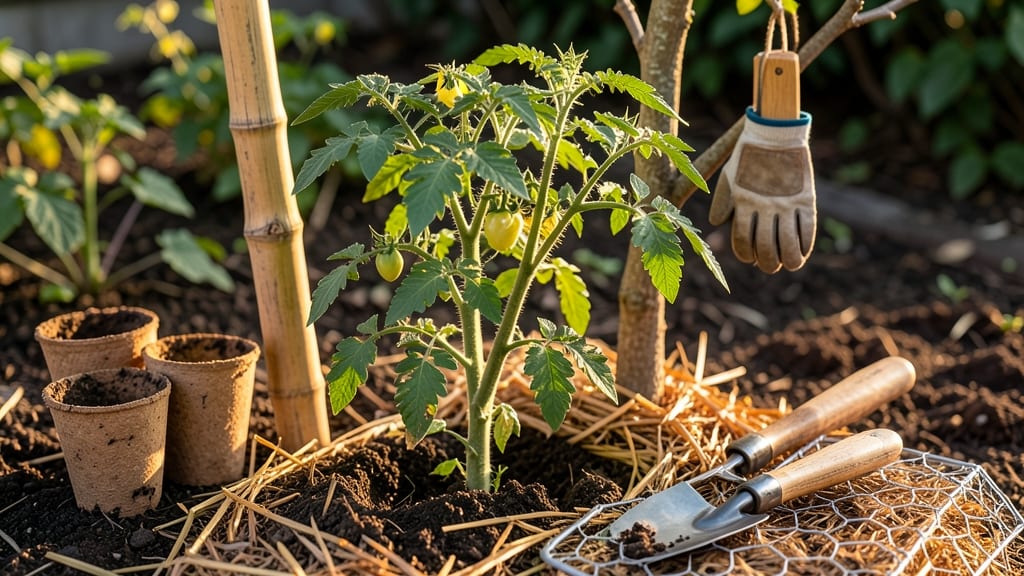
Timing when should you plant the tomatoes in Iowa isn’t just about the calendar—it’s about beating Mother Nature’s unpredictable frost while giving your plants the 165 frost-free days they need to thrive.
One wrong move, and you’ll either lose seedlings to late frosts or watch your harvest rush before the first chill hits in October.
Iowa’s Zone 5b-6a climate demands precision: soil must warm to at least 60°F, and nighttime temps should stay above 50°F before you even think about transplanting.
That’s why the window between April 15 and May 31 exists—not as a rigid rule, but as a flexible guide to balance risk and reward.
In this guide, I’ll break down exactly when to plant—whether you’re starting seeds indoors in March or rushing seedlings into the ground after the last frost. You’ll learn how to adjust for microclimates, choose the right varieties for your zone, and even stretch your season with row covers.
Let’s turn your Iowa garden into a tomato powerhouse.
No more guessing games: just science-backed strategies to ensure your 🍅 tomatoes go from seed to harvest with confidence. Ready to dig in?
Iowa’s frost-free dates by Zone 5b vs 6a: exact planting windows
Iowa’s USDA Zones 5b and 6a have distinct frost patterns that determine your tomato planting window. In Zone 5b (northern Iowa), the average last frost date is around May 10, while Zone 6a (southern Iowa) typically sees its last frost by April 25.
These dates create a 2-week difference in when you can safely transplant seedlings outdoors.
For both zones, I recommend following the 10-day rule: Wait 10 days after your average last frost date to plant tomatoes. This buffer accounts for unpredictable late frosts. For example, if Zone 5b’s last frost is May 10, I plant my tomatoes around May 20 to ensure safety.
Iowa State University Extension provides historical frost data that shows Zone 5b has a 15% chance of frost after May 15, while Zone 6a drops to just 5% risk after May 1.
Use these stats to adjust your planting timeline, especially if you’re growing early-maturing varieties that need every warm day to produce fruit.
Microclimates in Iowa can shift these dates by 1-2 weeks. South-facing slopes warm up faster, while low-lying areas stay colder longer. If your garden sits in a frost pocket, I suggest using row covers or waiting an extra week to plant.
For urban gardeners, city heat islands can push last frost dates back by 5-7 days compared to rural areas.
Here’s how I break down my Iowa tomato planting schedule:
| Zone | Avg. Last Frost | Safe Planting Window | Risk After May 15 | Soil Temp Threshold |
|---|---|---|---|---|
| Zone 5b | May 10 | May 20–June 1 | 15% | ≥60°F |
| Zone 6a | April 25 | May 5–May 15 | 5% | ≥55°F |
If you’re starting tomatoes from seedlings, I recommend beginning them 6-8 weeks before your last frost date. For Zone 5b, that means early March indoors under grow lights, while Zone 6a gardeners can start seeds in late February.
Harden off seedlings for 7-10 days before transplanting to avoid shock.
For early-season planting, I swear by cold-hardy varieties like ‘Stupice’ or ‘Mountain Merit’, which can tolerate 40°F nights without row covers. These varieties let me plant 2 weeks earlier than standard tomatoes. Pair them with black plastic mulch to warm the soil faster and extend your season.
Late-season planting is riskier but rewarding. If you miss the spring window, try succession planting in early June with fast-maturing varieties (≤60 days). Use floating row covers to protect young plants from late summer heat and early September frosts.
I’ve had success with ‘Early Girl’ and ‘Patio’ tomatoes planted in late June for a late August harvest.
Always monitor your local Iowa Mesonet or NOAA frost forecasts for real-time updates. In 2022, a late April frost in Zone 6a delayed planting by 3 weeks—don’t let that happen to you! Adjust your timeline based on 5-year averages rather than a single year’s data.
Pro tip: Mark your planting dates on a garden calendar and track soil temperatures with a digital probe. I’ve saved multiple seasons by waiting until the soil hits 60°F—cold soil stunts root growth and delays fruiting. When in doubt, plant later than earlier for Iowa’s unpredictable spring.
How to extend Iowa’s tomato growing season: cold frames, row covers & succession planting
Iowa’s short growing season (just 165 frost-free days) can feel like a race against time for tomato lovers. But with the right tricks, you can push your harvest weeks—or even months—later into fall.
I’ve used cold frames, row covers, and succession planting to turn my Zone 5b garden into a late-season tomato powerhouse. Here’s how to do it right.
Start by hardening off seedlings properly—expose them to outdoor conditions gradually over 7-10 days before transplanting. This builds resilience against Iowa’s unpredictable late spring frosts. I swear by the 10-day rule: Wait until nighttime temps are consistently above 50°F and soil hits 60°F before planting.
Use a soil thermometer—it’s a game-changer!
🌱 Proven Season-Extending Tricks for Iowa Tomatoes
- 1. Start seeds indoors 8-10 weeks before last frost (early March for Zone 5b). Use grow lights to prevent leggy seedlings.
- 2. Use row covers or low tunnels to warm soil by 3-5°F and protect young plants from late frosts.
- 3. Plant early varieties (like ‘Early Girl’) in April under covers, then remove covers after May 15.
- 4. Try succession planting: Sow new seeds every 2 weeks from May-June for staggered harvests.
- 5. Mulch heavily with straw or black plastic to keep soil warm and retain moisture during drought-prone summers.
For late-season magic, I’ve had success with cold frames made from repurposed windows and wooden frames. Place them over determinate varieties (like ‘Patio’ or ‘Roma’) in early September.
The frame traps heat during the day and insulates at night, letting me harvest 2-3 weeks later than uncovered plants. Just ventilate daily to prevent overheating!
Don’t overlook succession planting—it’s my secret weapon for non-stop tomatoes. After your first planting (mid-May), sow a second batch in early June and a third in late June.
Choose mid-season varieties (like ‘Better Boy’) for these later plantings. This ensures you’re harvesting through September instead of a single glut in July-August.
Watch for disease risks when extending the season—humidity and warm nights create perfect conditions for blight. Space plants 18-24 inches apart for airflow, and prune lower leaves regularly.
I also rotate crops yearly to prevent soil-borne diseases from building up. If you notice yellowing leaves, act fast with neem oil or copper fungicide.
Timing is everything, but so is variety selection. For late plantings, opt for disease-resistant hybrids like ‘Mountain Merit’ or ‘Celebrity’. These tough guys handle Iowa’s humid summers better than heirlooms.
And if you’re really ambitious, try greenhouse tomatoes—they’ll reward you with winter harvests if you’re willing to invest in a small hoop house.
Remember: Patience pays off. Rushing seedlings or ignoring soil temps can backfire hard in Iowa’s unpredictable climate. But when you nail the timing, those late-September tomatoes taste like summer in a bite—worth every extra effort! 🍅